

Will-power alone will not cure them of their destructive behavior. The craving for substance leads them to neglect their daily life and act irresponsibly, to the point where their lives are in shambles. Even then, they sometimes cannot comprehend their substance use as the destructive force in their lives. They downplay the extent of their substance use, and often blame its consequences on outside factors. Sometimes, a person with an addiction can recognize their substance use as the cause of their hardships, but still cannot stop using because they are chemically dependent on the substance.
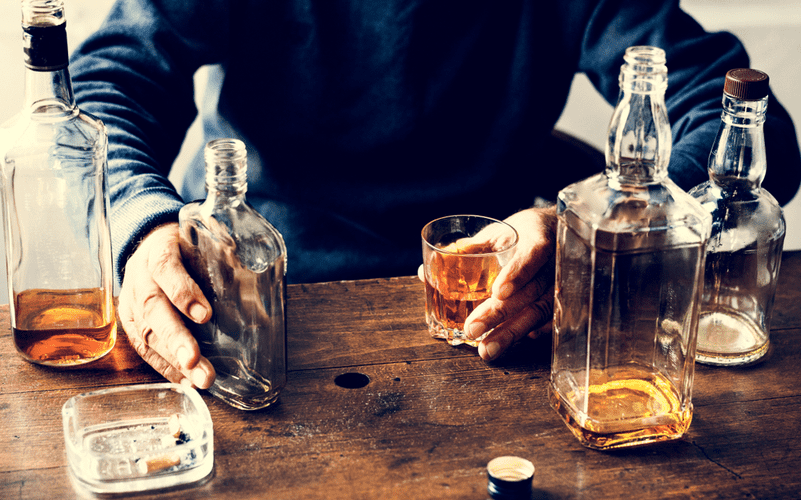
Drug and Alcohol Addiction
Self-medicating gives you more control in many ways, but addiction strips you of much of that. Not everyone who drinks develops alcoholism, like substance use disorder doesn’t always become a reality for every drug user. But if you have options and can prevent even the possibility of developing an addiction while you still have control, then explore options when considering self-medication. For example, a person with a caffeine dependence who stops drinking coffee may have withdrawal symptoms for a few days but then feel better.
Alcohol Addiction Treatment
Most of the 50 percent of Americans who do drink consume low to moderate, amounts of alcohol (less than 1 per day). It’s not only for sale at bars, but also at restaurants, gas stations, convenience stores, grocery stores, and all professional sports venues. You can’t watch television without seeing at least one beer, wine, or liquor commercial, promising alcohol will make you the most popular and desirable man or woman at any party.
Alcohol and Drug Use in Everyday Life
Misuse is the precursor to a potentially diagnosable condition, because over time, the brain chemistry may begin to change. Evidently there are differences in the level of stigma experienced by addicts and alcoholics. Addicts claim the unenviable top spot for most stigmatised mental health condition. Specializing in diverse mental health challenges, including depression, addiction, and trauma, Christy embraces a person-centered approach. She tailors interventions to individual needs, drawing from modalities like mindfulness, DBT, CBT, and EMDR. If drug use begins to impact your health, relationships, or finances, it’s time to seek professional support.
There are some huge differences between alcohol and drug addiction. At WisHope Recovery, we specialize in sustainable recovery solutions for individuals struggling with substance and co-occurring mental health disorders. Biological factors, including genetics, play a significant role in the development of alcoholism.
- Use of hallucinogens can produce different signs and symptoms, depending on the drug.
- In contrast, drug addiction refers to the misuse and dependency on one or more drugs such as opioids, stimulants, or cannabis.
- It is important to seek treatment for any accompanying medical and mental health issues when addressing drinking problems.
- These drugs can cause severe intoxication, which results in dangerous health effects or even death.
- Before AspenRidge, he was a clinical-psychologist intern while progressing toward his doctorate.
- The alcoholics even lagged opiate addicts still on methadone maintenance.
But many of them are subtle and questionable and scientific studies of the differences are often conflicting. The similarities in stigmatisation are perhaps more striking than the differences. Opioid-abusers are looking to soften rage, aggression or depression, sometimes linked with loss, disappointment or trauma.
- Alcoholism and drug addiction are both forms of substance use disorders, but they involve different substances.
- Instead, terms such as “alcohol abuse”, “alcohol dependence”, “alcohol use disorder” (AUD), or simply “alcohol addiction” are often used.
- She blows off the substance abuse program, believing she is control of her alcohol consumption.
What Makes an Alcohol Addiction Unique?
It’s important to know that you are not alone and recovery is possible. Societal pressures and other community factors may influence people’s decisions to take certain health risks. People may also be more likely to engage in certain health risk behaviors because of individual factors, such as when they drink excessively. This can put a person at risk of becoming ill, getting injured, or dying sooner. Recovering addicts tend to get the urge to relapse for the rest of their lives. However, some treatments and strategies can successfully help manage the condition.
Even occasional drug use can be fatal; in the year 2017, there were over 70,000 deaths related to drug overdoses. And all too often, repetitive substance abuse creates a crippling physical dependency that makes it impossible to function without drugs or alcohol. With timely intervention and treatment, however, substance abuse and dependence can be overcome. Alcohol Use Disorder When people are going through difficult times, they often turn to substances to help them get through the day. They turn to alcohol, marijuana, prescription pills and other substances to help them manage their emotions and feelings. Some people may use home remedies or drugs and alcohol to help them sleep, be social or manage pain.
What’s the difference between misuse and addiction?
Substance abuse and substance addiction are often used interchangeably. In reality, people addicted to substances and people who abuse substances are different. While both have adverse effects on an individual’s life, knowing the difference between abuse vs addiction will help you understand and remedy the situation. Those who abuse drugs and alcohol still have control over their lives, while those with an addiction have a disease that affects many aspects of their life. People with addiction may seem to difference between drugs and alcohol only have an abuse problem, when in reality their life is beginning to fall apart.