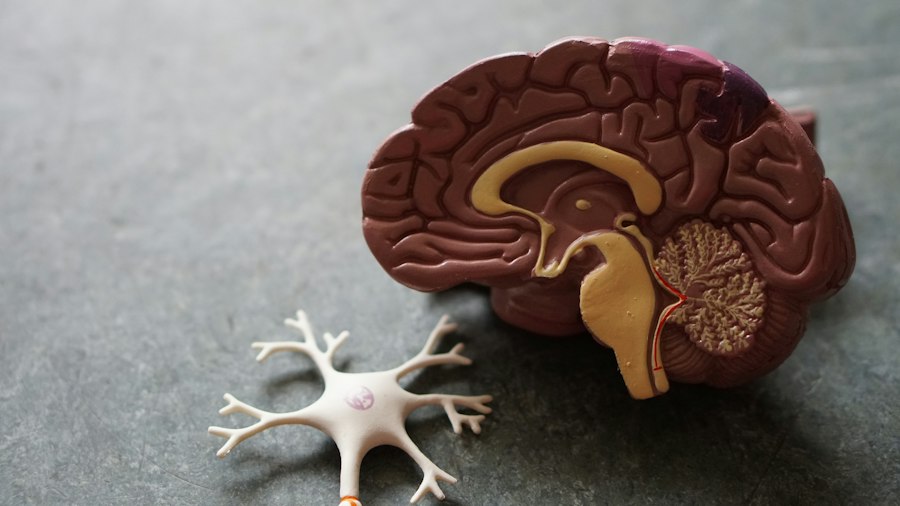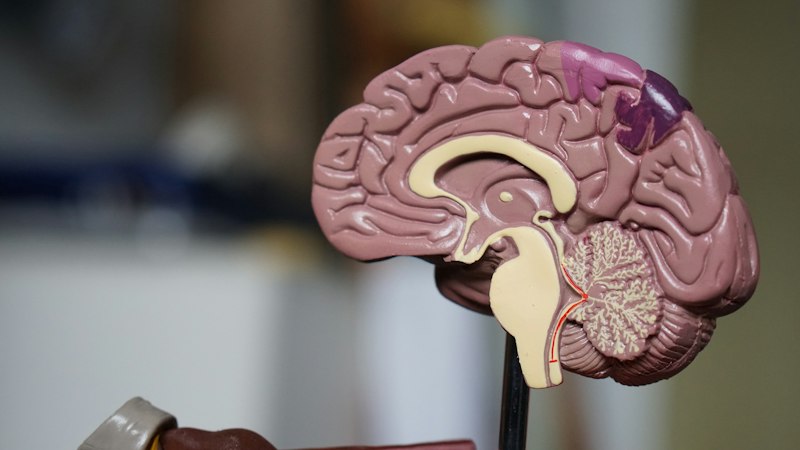

ADEM — a post-infectious or post-vaccine brain inflammation causing encephalopathy and multifocal neurological deficits — most commonly affects children. Dr. Anand Karnam explains the presentation, MRI findings, and excellent prognosis with treatment.
Key Points
- ADEM (Acute Disseminated Encephalomyelitis) usually follows a viral infection or vaccination — rare complication.
- Symptoms: encephalopathy (altered consciousness), multifocal neurological deficits, fever, and headache.
- MRI shows large, bilateral, asymmetric demyelinating lesions — distinct from MS.
- Treatment: high-dose IV methylprednisolone for 5 days — produces dramatic recovery in most children.
- Most children with ADEM recover fully or near-fully — recurrence raises possibility of MS or MOGAD.
0.4 per 100K
annual incidence of ADEM in children
Source: NCBI
90%
of ADEM patients achieve full or near-full recovery with treatment
Source: NHS
10%
of first-episode ADEM goes on to develop MS over 10 years
Source: NCBI
"ADEM is one of the most dramatic neurological presentations I see in children — a previously well child who deteriorates rapidly over 2–3 days after a viral illness. High-dose steroids started within 24 hours of diagnosis produces remarkable recovery in most cases."
Acute Disseminated Encephalomyelitis (ADEM) is a monophasic, immune-mediated inflammatory demyelinating disease of the central nervous system — meaning it typically occurs once (monophasic), is driven by a misdirected immune response, and attacks the myelin (white matter) of the brain and spinal cord. It most commonly occurs in children following a viral infection (measles, chickenpox, EBV, influenza — 1–3 weeks prior) or, rarely, following vaccination. ADEM is alarming in its presentation but responds dramatically to corticosteroids and carries a good prognosis in most cases.
Clinical Features
ADEM presents with: encephalopathy (altered level of consciousness, confusion, irritability) — a core feature that distinguishes it from multiple sclerosis; fever (at onset); multifocal neurological deficits — depending on which areas of the white matter are affected: hemiplegia, cerebellar ataxia, diplopia, optic neuritis, transverse myelitis; seizures (in up to 30% of paediatric cases); headache. The entire presentation develops rapidly, typically over days to 2 weeks.
MRI Features
Large, bilateral (often symmetric), poorly defined areas of T2/FLAIR hyperintensity in the white matter — typically involving subcortical white matter, basal ganglia, thalami, and brainstem. These large "fluffy" lesions contrasting with the smaller, well-defined, periventricular lesions of MS are an important distinguishing feature. Spinal cord involvement is common.
Treatment and Prognosis
High-dose IV methylprednisolone (20–30mg/kg/day for 3–5 days) produces dramatic improvement in most cases. IVIG or plasma exchange for non-responders. Prognosis: 70–90% of paediatric ADEM patients make full recovery. Some have residual deficits. A minority have relapsing disease — particularly MOG antibody-positive ADEM, which has a high relapse rate and requires maintenance immunosuppression. Sri Anand CNC, Chanda Nagar, Hyderabad. Call +91 90633 66983.
Dr. Anand Karnam
DrNB Neurology · Sri Anand CNC, Chanda Nagar Hyderabad · Sri Anand Child and Neuro Center
DrNB-qualified Neurologist, Fellow of the World Headache Society (FWHS), and Headache Specialist with 12+ years of experience treating epilepsy, stroke, migraine, and movement disorders. Practices at Sri Anand Child and Neuro Center, Chanda Nagar, Hyderabad.
References & Sources
- 1.Acute Disseminated Encephalomyelitis — NCBI StatPearls — NCBI StatPearls
- 2.ADEM — NIH MedlinePlus — NIH MedlinePlus
- 3.ADEM — NHS — NHS UK
Health Information Standards
IMA — Indian Medical Association
Content follows IMA ethical guidelines for patient education
WHO — World Health Organization
Treatment information aligned with WHO clinical guidelines
MoHFW — Govt. of India — Ministry of Health
Follows MoHFW National Health Programme protocols
NMC — National Medical Commission
All doctors hold NMC-recognised qualifications (DrNB / MD / MPT)
All health tips and medical content on this website are written by qualified specialist doctors (DrNB / MD / MPT), follow the above guidelines, and are intended for general health education only. This content is original and evidence-based — not a substitute for professional medical advice. Always consult your doctor before making any health decisions.
Concerned about your health?
Talk to our specialist doctors directly — WhatsApp response within minutes during clinic hours.
Follow Sri Anand CNC — Health Education Videos
Dr. Anand Karnam and Dr. Sushma B regularly share health education videos, symptom guides, and wellness tips in Telugu and English — helping families in Hyderabad stay informed and healthy.
YouTube · Sri Anand Child and Neuro Center
Health education videos — neurological conditions, child health tips, physiotherapy exercises
Instagram · @srianandchildandneurocenter
Daily health tips, doctor reels, patient education in Telugu & English
Facebook · srianandchildandneurocenter
Latest health news, appointment reminders, and awareness posts
WhatsApp Channel · Sri Anand Health Tips
Subscribe for weekly health alerts, vaccine reminders, and neurological wellness tips