
Medical Knowledge Hub
Health Insights & Articles
Expert advice on neurology, child health, and general wellness — written by our specialist doctors.
All Articles(269 articles)
 Pediatric Neurology
My Child Keeps Getting Headaches — Is It a Migraine?
If your child complains of headaches often, you may be worried. Here is how to tell if it is a migraine, what triggers it, and what you can do to help.
 Pediatrics
Baby Vaccination Schedule India 2025: Which Vaccines Does Your Child Need?
Which vaccines does my baby need, and when? This simple guide explains the IAP-recommended vaccination schedule for Indian children from birth to 5 years, and why not missing a single dose matters.
 Neurology
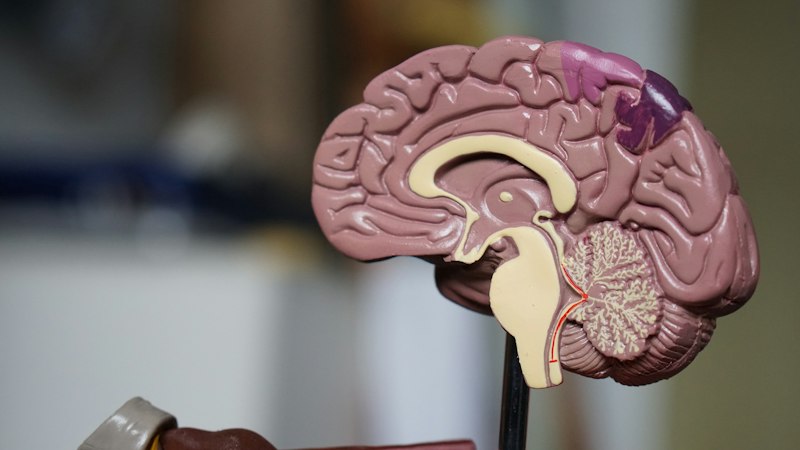
My Child Had a Fit (Seizure) — What Should I Do?
Watching your child have a seizure is frightening. Here is what to do during the seizure, what not to do, and when to go to hospital. Written in simple words for parents.
 Pediatrics
Is My Child Developing Normally? A Simple Milestone Guide
My child is not talking yet at 2 years — is that normal? When should my baby walk? This guide answers the questions every parent worries about, with simple milestone charts.
 Neurology
Burning or Tingling in Your Feet? It Could Be Nerve Damage
Do your feet feel like they are on fire at night? Do you get tingling or numbness in your hands and feet? This is often nerve damage (neuropathy) — and it is very treatable if caught early.
 Neurology
Room Spinning? Feeling Dizzy All the Time? Here's What It Could Mean
Dizziness and vertigo are among the most common problems people see a doctor for. Most cases are simple and treatable — but some need urgent attention. Know the difference.
 Pediatrics
Child Has Fever: When to Treat at Home and When to Rush to Hospital
Your child has a fever — are you worried? Here is exactly what to do at home, how high is too high, and the specific warning signs that mean you should go to hospital right away.
 Pediatrics
Why Does My Child Fall Sick So Often? 7 Ways to Build Immunity
Does your child catch a cold every few weeks? Is every season a fight against fever and infections? Here are 7 evidence-based tips to genuinely strengthen your child's immunity.
 General Health
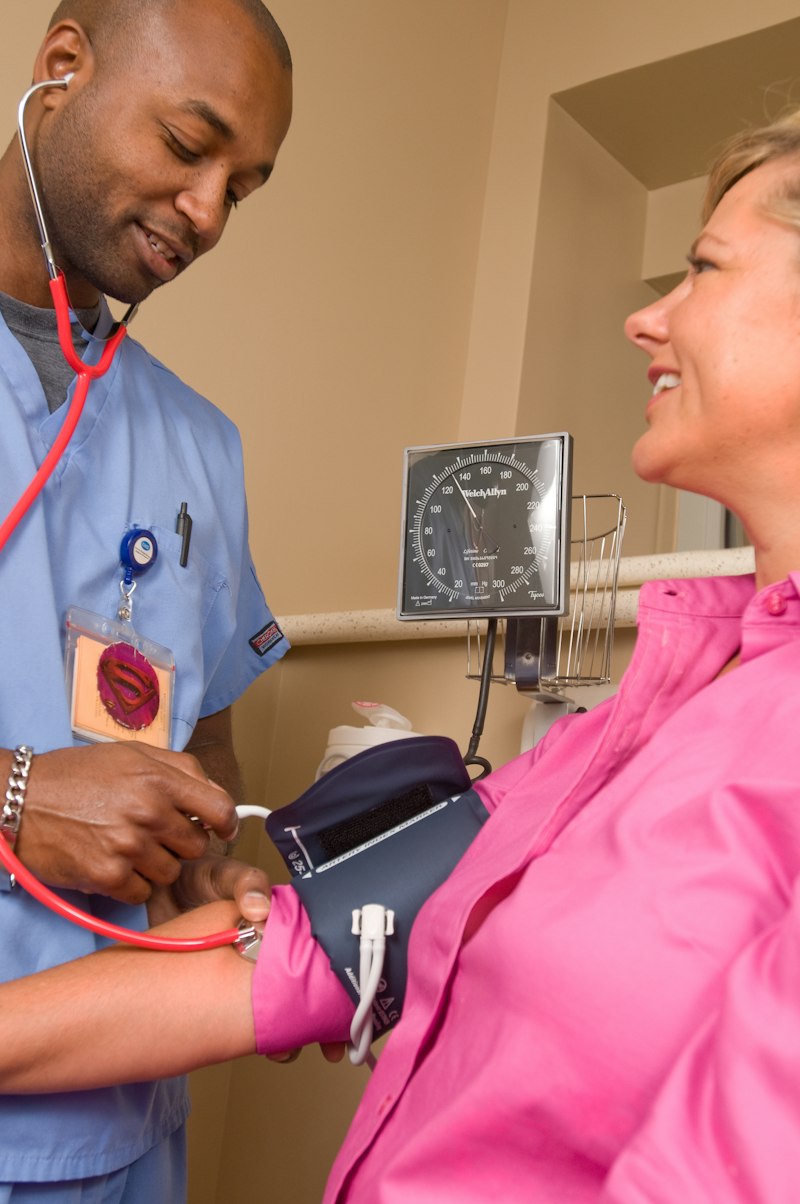
High BP: What It Means, Why It's Dangerous, and How to Control It
High blood pressure has no symptoms — until something goes wrong. Understand your BP numbers, what they mean, and the most effective ways to bring them down without always relying on medication.
Newborn Jaundice: Why Babies Turn Yellow and When to Worry
Almost 6 in 10 newborns develop some degree of jaundice in their first week. Most of the time, it passes on its own. But sometimes it needs treatment. Here's what every parent should know.
Dengue Fever in Children: Warning Signs Every Hyderabad Parent Must Know
Dengue cases surge in Hyderabad every monsoon season. Children can deteriorate quickly if parents miss the warning signs. This guide explains what to watch for — and what never to give your child during dengue.
My Child Is Wheezing — Is It Asthma? A Simple Guide for Parents
Hearing your child wheeze can be frightening. Many children in India with asthma are under-treated — using only a reliever inhaler during attacks, without any daily controller medication. This guide explains everything in plain language.
Diabetes in Hyderabad: A Patient's Plain-Language Guide to Managing Blood Sugar
India is the diabetes capital of the world — and Hyderabad has some of the highest rates in the country. But diabetes is one of the most manageable chronic diseases when you understand what to do and why.
GP or Specialist: Who Should You See First? A Hyderabad Patient's Guide
Many patients in Hyderabad go straight to a specialist for every health concern — and end up spending more, waiting longer, and getting unnecessary tests. Here's how to navigate the system smartly.
When Should You See a Neurologist? Headaches, Fainting & Nerve Symptoms Explained
Most people put off seeing a neurologist because they're not sure if their symptoms are 'serious enough'. Here's a clear, no-confusion guide to when a neurologist visit is the right call.
Migraine Treatment in Hyderabad: What Actually Works and What Doesn't
Migraine is one of the most disabling conditions in the world — and one of the most undertreated in India. If painkillers are the only thing you're using, there's a better way.
Epilepsy Treatment in Hyderabad: What to Expect, and Can It Be Controlled?
A seizure diagnosis can feel overwhelming. But epilepsy is one of the most treatable neurological conditions — with the right medication, 70% of people become completely seizure-free. Here's what you need to know.
Sudden Weakness on One Side of the Body: Could It Be a Stroke?
Sudden one-sided weakness is the classic warning sign of a stroke. But not every case of weakness means stroke. This article explains what to look for — and why acting within minutes matters.
Numbness and Tingling in Hands and Feet: What's Causing It?
That pins-and-needles feeling in your hands and feet might seem minor — but if it keeps coming back or doesn't go away, it's your nervous system asking for attention. Here's what could be causing it.
ADHD in Children: What Parents in Hyderabad Need to Know
Is your child too restless, easily distracted, or impulsive? ADHD is one of the most common neurodevelopmental conditions in children — and it is very treatable. Here is everything you need to know.
Early Signs of Autism in Children: A Parent's Guide
Early identification of autism spectrum disorder can make a huge difference. Learn the warning signs at different ages, what to do if you are worried, and how therapy helps.
My Child Is Not Talking Yet — Is It Speech Delay?
When should a child say their first words? What counts as a speech delay? And what can parents do? Here is a clear, reassuring guide from a paediatric neurologist.
Febrile Seizures: What to Do When Your Child Has Convulsions With Fever
Seeing your child have a seizure is terrifying. But most febrile seizures in children are brief and harmless. Here is what to do in the moment, and when to worry.
Parkinson's Disease: Symptoms, Stages, and Treatment in Hyderabad
Parkinson's disease is not just tremors. Understanding the full picture — from early signs to advanced care — helps patients and families manage it much better.
Memory Loss in Elderly Parents: When Is It Dementia?
Forgetting names is normal with age. But forgetting recent events, getting lost in familiar places, or personality changes are different. Here is how to tell dementia from normal ageing.
Tension Headache vs Migraine: How to Tell the Difference
Both tension headaches and migraines can be debilitating — but they need different treatment. Here is how to tell them apart and what actually works for each.
Sleep Problems: Why You Cannot Sleep and What Actually Helps
Chronic insomnia, restless legs, sleep apnoea — sleep disorders are extremely common in India and very underdiagnosed. Here is a clear guide to what causes them and what helps.
Shaking Hands: Is It Parkinson's or Essential Tremor?
Not every hand tremor is Parkinson's disease. Essential tremor is actually far more common — and it needs completely different treatment. Here is how to tell them apart.
EEG and Nerve Conduction Tests: What to Expect and Why They Are Done
Your doctor has suggested an EEG or nerve conduction study. Here is what these tests involve, why they are needed, and how to prepare — in plain language.
Newborn Care: A Simple Guide for First-Time Parents in India
The first month with a newborn is overwhelming and joyful in equal measure. Here are the most important things to know about feeding, sleep, hygiene, and warning signs.
Screen Time and Your Child's Brain: What the Research Actually Shows
How much screen time is too much? Does it damage the brain? Here is what the latest research actually shows — and practical guidance for Indian families.
My Child Won't Sleep: Common Causes and Proven Solutions
From toddlers refusing bedtime to school-children waking up anxious at 2am — sleep problems in children are exhausting for the whole family. Here is what works.
Monsoon Illnesses in Children: How to Keep Your Child Safe This Season
Dengue, typhoid, gastroenteritis — the monsoon brings a surge in childhood illness. Here is a practical guide to prevention and knowing when to see a doctor.
Iron Deficiency Anaemia in Children: Signs, Causes, and Treatment
Iron deficiency is one of the most common nutritional problems affecting children in India. Many cases go unrecognised for months. Here is what to look for.
Vitamin D Deficiency in Children: Causes, Signs, and Treatment in India
India gets plenty of sunshine, yet Vitamin D deficiency is surprisingly common in Indian children. Here is why it happens and what you should know.
Meningitis: Symptoms to Know and Why It Is a Medical Emergency
Meningitis can progress from headache and stiffness to life-threatening illness within hours. Every parent and adult should know these warning signs.
After a Stroke: What Recovery Really Looks Like
Surviving a stroke is the first step. Recovery is the long journey that follows. Here is what rehabilitation involves, how much improvement is possible, and what helps the most.
Why Child Vaccination Matters: A Parent's Guide to the IAP Schedule
Vaccinations have eliminated diseases that once killed millions of children. Here is why they remain critically important, how the IAP schedule works, and common concerns answered.
Brain Tumour Warning Signs: When to Take Headaches Seriously
Most headaches are not brain tumours — but some symptoms should never be ignored. Here is exactly what to watch for and when to see a neurologist urgently.
When to Seek a Second Opinion: A Patient's Guide
Getting a second medical opinion is your right as a patient — and sometimes it makes a crucial difference. Here is when to seek one and how to do it respectfully.
Wrist Pain and Tingling Fingers: Is It Carpal Tunnel Syndrome?
Numbness and tingling in the thumb, index and middle fingers — especially at night — is the classic sign of carpal tunnel syndrome. Here is how it is diagnosed and treated.
High Blood Pressure in Young Adults: Why It Is Increasingly Common in India
Hypertension used to be considered a disease of the elderly. Now it is increasingly common in young Indians in their 20s and 30s. Here is why, and what to do about it.
What Should a Growing Child Eat? A Practical Nutrition Guide for Indian Parents
From the first solid foods to school lunch boxes — feeding children well is one of the most important things parents can do. Here is a practical, culturally appropriate guide.
Diabetic Neuropathy and Foot Care: What Every Diabetic Must Know
Nerve damage from diabetes (diabetic neuropathy) is common and preventable. Here is how to protect your feet, recognise early symptoms, and prevent serious complications.
Bell's Palsy: Sudden Facial Weakness — Causes, Treatment, and Recovery
Waking up to find one side of your face drooping is alarming. Bell's palsy — sudden facial nerve paralysis — is usually not a stroke and recovers well with early treatment.
Multiple Sclerosis: What It Is, Who It Affects, and How It Is Treated
Multiple sclerosis is a complex neurological condition — but modern treatments have transformed the outlook for patients. Here is a clear guide to understanding MS.
Cluster Headache: The Most Painful Headache Known to Medicine
Cluster headaches are sometimes called 'suicide headaches' because of their intensity. But they respond well to specific treatments. Here is everything you need to know.
My Child Is Underweight: Causes, Evaluation, and What Helps
Is your child not gaining weight as expected? Falling off the growth chart? Here is a practical guide to understanding poor weight gain in children and what actually helps.
Worm Infections in Children: Signs, Treatment, and Deworming in India
Intestinal worm infections are very common in Indian children and often go unnoticed. Here is how to recognise them, treat them, and prevent re-infection.
Stroke in Young Adults: Rising Risk in India and How to Prevent It
Strokes are no longer just a condition of the elderly. Increasingly, young adults in their 30s and 40s are having strokes in India. Here is why, and what you can do.
Headache Red Flags: When to Go to Hospital Right Away
Most headaches are benign. But certain features demand immediate medical attention. Every person should know these red flags — they can be life-saving.
Autism and Early Intervention: Why Starting Before Age 3 Matters So Much
Early intervention for autism can dramatically improve language, social skills, and quality of life. Here is what the evidence shows and what therapy involves in India.
Learning Difficulties and Dyslexia in Children: A Parent's Complete Guide
Your child is bright and enthusiastic but struggling with reading, writing, or numbers. This could be a learning difficulty — not laziness. Here is what it means and how to help.
Typhoid Fever in Children: Symptoms, Treatment, and Prevention
Typhoid is still very common in India. Here is how to recognise it in children, why long-lasting fevers need investigation, and how vaccination helps.
First Seizure in an Adult: What It Means and What to Do Next
Having a first seizure as an adult is frightening. Does it mean you have epilepsy? Here is how neurologists evaluate a first seizure and what the process looks like.
Back Pain: When Is It a Nerve Problem and When to See a Neurologist?
Most back pain gets better on its own. But some types of back pain are caused by nerve compression and need specific treatment. Here is how to tell the difference.
Ear Pain in Children: Is It an Ear Infection and What to Do?
Ear pain is one of the most common reasons parents bring young children to the doctor. Here is how to distinguish between infections that need antibiotics and those that don't.
Fainting (Syncope): Causes, When It Is Serious, and What to Do
Fainting is more common than most people think — and the cause is usually benign. But some causes of fainting are serious. Here is how to tell them apart.
Finding the Right Doctor in Chanda Nagar, Hyderabad: A Complete Guide
Chanda Nagar has grown rapidly and so has the need for accessible specialist healthcare. Here is a guide to finding the right doctor for neurology and paediatric conditions in the area.
Specialist Care Near Miyapur: Neurology and Paediatrics Without the Long Drive
If you live in Miyapur, Lingampally, or nearby areas and need a specialist for neurology or paediatrics, here is what you need to know about accessible expert care nearby.
Anxiety and Neurological Symptoms: When Worry Mimics Serious Disease
Anxiety can cause very real physical symptoms — numbness, tingling, dizziness, and chest tightness. Here is how anxiety mimics neurological conditions and how to tell them apart.
School Stress and Headaches in Children: What Indian Parents Need to Know
Academic pressure, tuitions, and competitive exams are taking a toll on children's health. Here is how school stress causes headaches and what you can do about it.
Senior Health: What to Monitor as Your Parents Age — A Practical Guide
The health needs of elderly parents change significantly as they age. Here is what to watch for, which specialists to consult, and how to support healthy ageing.
How to Keep a Headache Diary: The Single Most Useful Thing You Can Do Before Your Appointment
A headache diary takes 2 minutes a day and gives your neurologist more useful information than any test. Here is exactly how to keep one — and what to record.
Tracking Your Child's Headaches: A Simple Guide for Indian Parents
A headache diary for your child helps the neurologist get to the right diagnosis and treatment faster. Here is how to track headaches in children simply and effectively.
Types of Stroke: Understanding the Difference Between Ischemic and Hemorrhagic Stroke
Not all strokes are the same — and the treatment is completely different depending on the type. Here is what you need to know about ischemic vs haemorrhagic stroke.
Paediatrician vs General Physician: Which Doctor Should Your Child See?
When your child is unwell, should you see a paediatrician or take them to a general physician? For most parents in India, the answer isn't always clear. Here's a straightforward guide.
PediatricsMy Child Is Not Talking at 2 Years — When Should I See a Doctor?
By age 2, most children say 50 words and combine two words together. If your child is not there yet, this guide helps you understand what is normal, what are red flags, and what to do next.
 Pediatric Neurology
Autism Signs in Children — Early Diagnosis and What to Do Next in Hyderabad
Autism spectrum disorder (ASD) can be identified as early as 12–18 months. The earlier it is recognised, the more effective the intervention. Know the signs and how assessment works in Hyderabad.
NeurologyParkinson's Disease vs Essential Tremor — How Are They Different?
Shaking hands can be caused by Parkinson's disease or essential tremor — two very different conditions. Millions are misdiagnosed. Learn the key differences and when to see a neurologist.
NeurologyHow to Care for a Stroke Patient at Home — A Complete Guide for Families
Your family member has had a stroke and has come home from hospital. Here is everything you need to know about day-to-day care, preventing complications, and supporting recovery at home.
NeurologyMemory Loss vs Normal Forgetting — When Should You Worry?
Everyone forgets things. But how do you know when forgetting is just normal ageing and when it is something that needs a doctor? This guide explains the key differences.
 Pediatric Neurology
ADHD in School Children — Signs, How It Is Diagnosed, and What Helps
Your child cannot sit still, cannot focus, and is struggling at school. Could it be ADHD? This guide explains the signs, how ADHD is properly diagnosed, and what the most effective treatments are.
 Neurology
Epilepsy and Driving in India — What the Rules Say and What You Should Know
Can a person with epilepsy drive in India? What does the Motor Vehicles Act say? When can driving be resumed after seizures? Dr. Anand Karnam explains the rules and safety considerations.
 Pediatrics
Screen Time Effects on Your Child's Brain — What Parents in Hyderabad Should Know
Smartphones, tablets, and YouTube are part of every child's life today. But how does too much screen time actually affect the developing brain? And what is the right amount?
 Neurology
EEG Test in Hyderabad — Cost, Procedure and What It Shows
Your doctor has recommended an EEG. What exactly is it? Does it hurt? How long does it take? What does it show? This guide answers every question about EEG tests in simple language.
 Neurology
Why Do I Get Headaches Every Day? The Real Reason — and the Fix
Daily headaches are not normal, and paracetamol is often making them worse. Neurologist Dr. Anand Karnam explains the most common cause of daily headache and what actually works.
 Neurology
Is an EEG Test Painful? What to Expect — A Complete Patient Guide
Nervous about your EEG? Dr. Anand Karnam explains exactly what an EEG test involves, whether it is painful, how to prepare, and what your results mean.
 Neurology
Vertigo Exercises You Can Do at Home — Epley Manoeuvre & More
Does the room spin when you turn over in bed? You may have BPPV — the most common and most treatable cause of vertigo. Dr. Anand Karnam explains the exercises that fix it.
 Neurology
Headache Behind the Eyes: 7 Causes and When to See a Doctor
Pain behind or around the eyes is one of the most common headache complaints — and the cause is often not what patients expect. Dr. Anand Karnam explains the 7 most common causes.
 Neurology
How to Prevent a Stroke: 8 Evidence-Based Steps
80% of strokes are preventable. Neurologist Dr. Anand Karnam outlines the 8 proven steps that dramatically reduce your stroke risk — most of which cost nothing.
 Pediatric Neurology
Does the Ketogenic Diet Work for Epilepsy? What Parents Need to Know
The ketogenic diet reduces seizures in children who don't respond to medication. Dr. Anand Karnam explains how it works, who benefits, and what's involved.
 General Health
5 Back Pain Exercises You Can Safely Do at Home
Most back pain improves with the right movement — not rest. Physiotherapist Dr. Harisha (MPT) shares 5 evidence-based exercises for lower back pain relief at home.
 Pediatrics
Toddler Not Making Eye Contact: Should You Worry?
Eye contact is one of the earliest social communication skills. Dr. Sushma B explains when reduced eye contact in a toddler is normal, and when it may be a sign of autism.
 Pediatrics
My Child Is Not Walking Yet — When Should I Be Concerned?
Most children walk between 9 and 15 months. Dr. Sushma B explains the normal range, what might be causing delay, and when to see a specialist.
 Pediatrics
Fever in a Newborn: When Is It an Emergency?
A fever in a baby under 3 months is always a medical emergency. Dr. Sushma B explains why, what to look for, and what to do — before you reach the hospital.
 Neurology
Nerve Pain (Neuropathy): 6 Treatment Options Explained
Burning, tingling, or numbness in the feet? Nerve pain (neuropathy) is very common — and very treatable. Dr. Anand Karnam explains the 6 main treatment approaches.
 General Health
Cerebral Palsy and Physiotherapy: What Every Parent Needs to Know
Physiotherapy is the cornerstone of cerebral palsy management. Dr. Harisha (MPT) explains how physiotherapy helps children with CP, what each session involves, and what results to expect.
 Neurology
Sciatica vs Back Pain: How to Tell the Difference — Neurologist Guide Hyderabad
Shooting pain down the leg, numbness, foot weakness — is it sciatica or just back pain? Dr. Anand Karnam explains the difference and what treatment works best.
 Neurology
Cervical Spondylosis: Neck Pain, Arm Numbness & When to See a Neurologist in Hyderabad
Neck pain that radiates into the arm, tingling fingers, or clumsy hands — cervical spondylosis is the most common neurological condition affecting desk workers. Dr. Anand Karnam explains diagnosis and treatment.
 Neurology
Myasthenia Gravis: Drooping Eyelid, Muscle Weakness & Treatment Guide — Hyderabad
Drooping eyelids, double vision, difficulty swallowing, or muscle weakness that is worse at the end of the day? These are hallmarks of Myasthenia Gravis — a treatable autoimmune neurological condition.
 Neurology
Restless Legs Syndrome in Hyderabad: Crawling Sensations, Sleep Disruption & Treatment
An irresistible urge to move the legs at night, worse at rest — Restless Legs Syndrome disrupts sleep for millions. It is highly treatable once diagnosed correctly by a neurologist.
 General Health
Frozen Shoulder: Stages, Causes & Physiotherapy Treatment in Hyderabad
Frozen shoulder (adhesive capsulitis) causes progressive shoulder pain and stiffness lasting 1–3 years if untreated. The right physiotherapy at the right stage dramatically accelerates recovery.
 General Health
UTI Symptoms, Treatment & Prevention: A Hyderabad Doctor's Complete Guide
Burning urine, frequent urination, pelvic pain — urinary tract infections are common but need proper treatment. Dr. Anand Karnam explains symptoms, when to see a doctor, and how to prevent recurrence.
 General Health
Chronic Cough: Common Causes, When to See a Doctor & Treatment Guide for Hyderabad
A cough lasting more than 8 weeks has specific, treatable causes — GERD, post-nasal drip, asthma, or medication side effects. Most chronic coughs are not due to lung disease. Here's how to get the right diagnosis.
 Neurology
How Often Should You See a Neurologist? A Hyderabad Specialist's Guide
One-off visit or regular follow-up? The frequency of neurology consultations depends entirely on your condition. Dr. Anand Karnam explains who needs regular monitoring and when you can be discharged.
 Neurology
Non-Surgical Neurology Treatments Available in Hyderabad — Dr. Anand Karnam
Most neurological conditions are treated without surgery. From medication to physiotherapy, EEG-guided treatment, and lifestyle programmes — here is a complete guide to non-surgical neurology care.
 Neurology
Vitamin B12 Deficiency: Nerve Damage, Brain Fog & Treatment Guide in India
Vitamin B12 deficiency is alarmingly common in India — affecting vegetarians, the elderly, and metformin users. It causes irreversible nerve damage and cognitive decline if untreated for long. Here's what you need to know.
 General Health
Thyroid Disorders in India: Hypothyroidism, Hyperthyroidism & When to See a Doctor
Fatigue, weight gain, hair loss, palpitations — thyroid disorders affect 1 in 10 Indians. Dr. Anand Karnam explains how to recognise thyroid problems and the right treatment approach.
 General Health
Diabetes Complications: Nerve, Kidney & Eye Damage — Early Detection in Hyderabad
Diabetes is not just about blood sugar — uncontrolled diabetes damages the nerves, kidneys, and eyes over years. Dr. Anand Karnam explains the screening tests every diabetic needs and how to prevent complications.
 Pediatrics
Food Allergy & Eczema in Children: Symptoms, Testing & Treatment in Hyderabad
Food allergy affects 1 in 12 children in India. Dr. Sushma B explains how to identify true food allergy versus intolerance, what tests are reliable, and how to manage eczema and allergy together.
 Pediatrics
Scoliosis in Children: Early Detection, Exercises & Physiotherapy in Hyderabad
Scoliosis — abnormal spinal curvature — is common in adolescents and often goes unnoticed until it progresses. Dr. Harisha explains how to detect it early and what scoliosis-specific physiotherapy can achieve.
NeurologyNeurologist vs Neurosurgeon: What's the Difference? Which Doctor Do You Need?
Many patients confuse neurologists and neurosurgeons. Dr. Anand Karnam explains the key differences, which conditions each treats, and why most brain and nerve conditions should start with a neurologist.
Neurology3 Warning Signs Your Vertigo Is Not Normal — Neurologist Dr. Anand Karnam Explains
Not all vertigo is harmless. Dr. Anand Karnam reveals three warning signs that mean your dizziness needs urgent neurological evaluation — not just rest and home remedies.
NeurologyStroke Symptoms, Types & the Critical 4.5-Hour Window — Dr. Anand Karnam, Hyderabad
Every minute counts in a stroke. Recognising symptoms using the FAST method and reaching hospital within 4.5 hours can be the difference between full recovery and permanent disability.
NeurologyBrain Damage After an Accident: When a Personality Change Is NOT Attitude
After a head injury, a person can become irritable, impulsive, or emotionally different. Families often blame it on attitude. The truth is often traumatic brain injury — and it is treatable.
General HealthHypertensive Emergency: When BP of 220/150 Becomes a Life-Threatening Crisis
A 40-year-old arrived at 3 AM with BP of 220/150. Dr. Anand Karnam explains why dangerously high blood pressure is a neurological emergency — and what happens to the brain when BP is uncontrolled.
NeurologyReal Dementia Warning Signs That Families Miss — Dr. Anand Karnam, Hyderabad
Dementia is not just forgetting names. Dr. Anand Karnam shares real dementia cases from his Hyderabad practice — and the warning signs that families mistake for normal ageing or laziness.
NeurologyParkinson's Disease: Early Signs, Diagnosis & Treatment in Hyderabad
Tremor is only one of Parkinson's many symptoms — and it is not even present in 25% of patients. Dr. Anand Karnam explains the early signs families miss, and what modern treatment can achieve.
 Neurology
Sudden Vision Loss: Why It Is a Neurological Emergency — Dr. Anand Karnam Hyderabad
Sudden vision loss is never normal. Whether it lasts seconds, minutes, or is permanent — it is a neurological and vascular emergency that requires same-day evaluation. Ignoring it could cost your vision or your life.
NeurologyWhy a Stroke Can Keep Damaging Your Brain Even 20 Years Later
Many stroke survivors believe that once the initial recovery is complete, the stroke is 'over.' Dr. Anand Karnam explains why stroke has long-term consequences — and why prevention and monitoring continue for life.
NeurologyWhat Is Alzheimer's Disease? The Real Story Behind Memory Loss — Dr. Anand Karnam
Alzheimer's is more than forgetting names. It is a progressive brain disease that slowly erases the person — their memories, abilities, and personality. Dr. Anand Karnam explains what it is, what causes it, and what families can do.
NeurologyNeck Pain Causing Headache? The Link Between Your Neck and Your Head Pain — Hyderabad
15,000 people watched Dr. Anand Karnam's video on this. Neck pain and headache often come together — and treating only the headache while ignoring the neck is why so many patients never fully recover.
 Neurology
Eye Twitching: Luck, Omen or Medical Sign? A Doctor Explains the Real Causes
In Indian culture, eye twitching is associated with luck or bad omens. Dr. Anand Karnam explains the actual medical causes — and when eye twitching needs urgent neurological attention.
PediatricsProtecting Children from Heat Waves in Hyderabad: A Paediatrician's Complete Guide
Hyderabad summers push temperatures above 42°C. Children are far more vulnerable to heat illness than adults. Dr. Sushma B explains how to recognise heat exhaustion, heat stroke, and what every Hyderabad parent must know.
NeurologyWhy Backward Falls Are More Dangerous Than Forward Falls — IPL Injury Explained
When a cricket ball or fall hits the back of the head, the consequences can be far more severe than a fall on the face. Dr. Anand Karnam explains the science behind why backward head impacts are particularly dangerous.
NeurologyBrain Health for All Ages: Habits That May Lower Risk
Habits across the lifespan can influence brain-health risk without guaranteeing prevention. Dr. Anand Karnam explains practical, evidence-informed steps for children, adults and older people.
NeurologyHow Were Severe Headaches Treated in Ancient Times? History vs Modern Medicine
From trepanation in ancient Egypt to opium in 19th century India to today's targeted migraine drugs — the history of headache treatment reflects humanity's long struggle to understand the brain. Dr. Anand Karnam explores what's changed.
NeurologyStroke Is Happening in Young Adults Too — A Hyderabad Neurologist's Warning
Over 748,000 people watched this story. Stroke is no longer only a disease of old age. Dr. Anand Karnam explains why young adults in Hyderabad are having strokes — and the signs every family must know.
NeurologyHigh BP Cost Him His Life — The Stroke Story Every Hyderabad Family Must Watch
450,000 people watched this real patient story. Dr. Anand Karnam shares how uncontrolled high blood pressure silently leads to a devastating stroke — and what families can do to prevent the same fate.
General HealthBP of 90/60 — Warning Signs of Low Blood Pressure You Must Not Ignore
Over 300,000 people searched for this. Low blood pressure is dismissed as harmless, but BP of 90/60 with symptoms is a medical concern. Dr. Anand Karnam explains when low BP needs urgent attention.
General HealthMRI of a 40-Year-Old vs 74-Year-Old: The Shocking Truth About Lifestyle and Muscle Loss
This viral comparison shocked 287,000 viewers. Two MRI scans show what different lifestyles do to the human body over decades. Dr. Anand Karnam explains what you see — and how to protect yourself.
 General Health
Fatty Liver: Can It Become Normal Again? 4 Foods to Stop Immediately
143,000 viewers searched this question. Fatty liver disease is reversible — but only with the right dietary changes. Dr. Anand Karnam explains which 4 foods to cut first for liver recovery.
General HealthSlip Disc at 18 Years Old? The Spine Alert That Is Affecting Young Indians
140,000 people watched this warning. Disc prolapse is no longer only a disease of middle age — teenagers and young adults are developing slip discs due to posture, sedentary habits, and wrong exercise. Here is what you need to know.
NeurologyOne Minute of Delay in a Stroke = Permanent Brain Damage: The Hardest Truth
Watched by nearly 90,000 people. Every minute a stroke is untreated, 1.9 million neurons die. Dr. Anand Karnam explains this brutal reality — and why reaching hospital fast is not optional.
NeurologyNeck Makes a Cracking Sound When You Turn It — Is It Dangerous or Normal?
81,000 people asked this question. That clicking, popping sound when you move your neck — should you be worried? Dr. Anand Karnam explains when neck sounds are harmless and when they are a red flag.
General HealthWhat Happens to Your Brain When You Stop Sugar for 30 Days — The Shocking Truth
Over 74,000 people watched the 30-day sugar challenge. Plus 36,000 searched how sugar slows the brain. Dr. Anand Karnam explains the science of what excess sugar does to your brain — and what stopping it reverses.
General HealthVisceral Fat: The Hidden Danger That Is Quietly Destroying Your Health in India
67,000 viewers were shocked by this. Unlike visible belly fat, visceral fat wraps around your organs and you cannot see it — but it is driving diabetes, heart disease, stroke, and dementia. Here is what you need to know.
NeurologyTapeworm in the Brain: Can Eating Meat Cause Fits and Seizures?
54,000 people were alarmed by this. Neurocysticercosis — tapeworm larvae in the brain — is one of the leading causes of new-onset seizures in India. Dr. Anand Karnam explains how it happens and how it is treated.
NeurologyChickenpox Virus Found in the Brain: A Rare Neurological Case Explained
46,000 people were shocked by this case. The varicella-zoster virus that causes chickenpox can, in rare cases, reactivate inside the brain and cause encephalitis or vasculitis. Dr. Anand Karnam explains this rare but serious complication.
General HealthStopping Blood Pressure Medicines: The Dangerous Truth Every Patient Must Know
Over 45,000 people watched this warning. Stopping BP tablets because 'your BP is normal now' is one of the most dangerous mistakes Indian patients make. Dr. Anand Karnam explains why BP tablets often need to be taken for life.
General HealthYour Cholesterol Is Normal but You Still Have Heart Risk? The Hidden ApoB Test
43,000 people learned this shocking truth. Standard cholesterol tests can miss significant cardiovascular risk. Dr. Anand Karnam explains ApoB — the test that reveals the hidden danger inside your arteries.
General HealthOne Drink Equals 7 Types of Cancer? The Science Behind Alcohol and Cancer Risk in India
28,000 people reacted to this. There is no safe level of alcohol for cancer risk. Dr. Anand Karnam breaks down the science linking alcohol to 7 types of cancer — and what this means for Indian social drinking culture.
NeurologySeizure First Aid: What You Must NOT Do When Someone Has a Fit — Doctor Explains
20,000 people need to know this. Well-meaning bystanders often make seizures worse. Dr. Anand Karnam explains the dangerous myths around seizure first aid — and the correct response that could save a life.
 Pediatric Neurology
Child Memory and Concentration Problems: What a Neurologist Wants Every Parent to Know
25,000 parents searched this. When a child cannot concentrate at school or keep forgetting things, most parents blame laziness or screens. A neurologist's view is often very different — and very treatable.
 Neurology
Are Reels as Addictive as Alcohol? The Dopamine Trap Explained by a Neurologist
10,000 people watched this uncomfortable truth. Social media algorithms exploit the same dopamine pathways as addictive substances. Dr. Anand Karnam explains what is happening in your brain when you scroll — and how to break the cycle.
General HealthChatGPT for Health Advice: Why a Doctor Warns This Could Be Dangerous
When AI replaces a doctor's consultation, the consequences can be serious. Dr. Anand Karnam explains why searching symptoms on ChatGPT or Google is not a substitute for medical evaluation — and the new condition called Cyberchondria.
 General Health
15 Minutes of Walking Enough? Morning vs Evening Walk — What a Neurologist Recommends
Over 42,000 people asked these two questions. How much walking do you actually need for brain and body health? And is morning or evening better? Dr. Anand Karnam gives evidence-based answers.
NeurologyWhat Sleep Deprivation Does to Your Brain — The Dangerous Facts Doctors Know
Chronic poor sleep is not just tiredness — it is measurable brain damage. Dr. Anand Karnam explains how insufficient sleep destroys memory, increases stroke risk, and accelerates Alzheimer's disease.
General HealthGas Tablets (DSR, L, Omeprazole) Are NOT Safe Long-Term: Kidney, Bone and Brain Damage
Over 11,000 people need to hear this doctor's warning. Proton pump inhibitors are India's most over-used drug class. Dr. Anand Karnam explains why taking them for every digestive complaint causes serious long-term damage.
NeurologyWinter Leg Numbness and Cold Feet: Blood Flow Warning Signs You Must Know
6,700 people searched this in winter. Feet and legs going numb in cold weather may be harmless — or it may signal peripheral vascular disease, diabetes, or neuropathy. Dr. Anand Karnam explains the difference.
NeurologyDementia vs Alzheimer's: They Are NOT the Same Thing — Simple Explanation
6,400 people confused these terms. Dementia is the umbrella — Alzheimer's is one type. Understanding the difference matters for diagnosis, treatment, and what to expect. Dr. Anand Karnam explains clearly.
PediatricsFat Increasing in Children Aged 5–9? A Paediatrician's Complete Guide for Hyderabad Parents
17,000 concerned parents watched this. Childhood obesity is reaching epidemic proportions in Hyderabad — and the window for intervention is the primary school years. Dr. Sushma B explains what to do before it becomes a lifelong problem.
PediatricsToo Much Milk Is Making Children Chubby but Weak — A Paediatrician's Warning
15,000 parents need to hear this. In India, milk is considered essential for children's health — and many parents force large quantities daily. Dr. Sushma B explains why too much milk can actually harm a child's nutrition and development.
PediatricsORS: The Simple Cup That Has Saved Millions of Children — and the Fake Versions That Have Not
The real story of Oral Rehydration Solution — the greatest medical advance of the 20th century, widely available in India, and still misused or replaced by dangerous fake versions. Dr. Sushma B explains.
NeurologyCan a Stroke Happen Again? The Hidden Truth About Second Stroke Risk
8,400 stroke survivors and families asked this. The risk of a second stroke is 15 times higher than in the general population. Dr. Anand Karnam explains what drives recurrent stroke — and the specific steps that dramatically reduce the risk.
General Health99% of People Measure Blood Pressure Wrong at Home — The Right Way Explained
9,200 people needed this correction. Incorrect BP measurement leads to wrong diagnoses and wrong treatment decisions. Dr. Anand Karnam shows the exact technique that gives an accurate reading.
NeurologyMicroplastics in Your Brain: The Shocking Health Risk That Affects Every Indian
7,500 people were alarmed by this. Microplastics have now been found in human brain tissue. Dr. Anand Karnam explains what this means for brain health — and what practical steps can reduce your exposure.
NeurologySilent Brain Damage: The Warning Signs You Are Ignoring Every Day
Thousands of people in Hyderabad have brain damage they cannot feel — until it is too late. Dr. Anand Karnam explains the signs of silent brain damage from stress, high BP, and lifestyle — and why early detection matters.
PediatricsAdenoids and Tonsil Problems in Children: Why They Are Increasing — and When Surgery Is Needed
Parents in Hyderabad are frequently told their child needs adenoid or tonsil surgery. Dr. Sushma B explains why these problems are increasing, what junk food has to do with it, and when surgery is really necessary.
PediatricsFlu Is NOT Just a Bad Cold — Why the Annual Flu Vaccine Matters for Your Child
Influenza kills children — even previously healthy ones. Dr. Sushma B explains why influenza is genuinely dangerous, why it is different from the common cold, and why annual vaccination is the most effective protection.
PediatricsAntibiotics for Children: Safe Use, Course Advice and Resistance
Learn when antibiotics help children, why viral illnesses do not respond to them, and how to follow a paediatrician's instructions safely without self-stopping, extending or sharing medicine.
NeurologyNew Migraine Treatments Available in Hyderabad — What Works and What Does Not
Dr. Anand Karnam trained in Chennai specifically for new migraine treatments. From CGRP inhibitors to nerve blocks, here is what the latest evidence says about migraine management in 2025–26.
NeurologyUsing Phone While Driving: What It Does to Your Brain — A Neurologist Explains
Distracted driving kills more people in India than drunk driving. Dr. Anand Karnam explains the neuroscience behind why your brain literally cannot multitask — and the brain damage risk from this habit.
General HealthDoes COVID Cause Heart Attack? The Myth vs Fact That Every Indian Needs to Know
23,000 people asked this after the COVID wave. The link between COVID-19 and cardiovascular events is real — but often misunderstood. Dr. Anand Karnam clarifies what the evidence actually shows.
Pediatric NeurologyTeenagers With Headaches, Sleep Problems and 'Fits': The Hidden Stress Epidemic in Hyderabad
5,000 parents and teachers watched this. Hyderabad's academic pressure is producing a generation of teenagers with stress-related neurological symptoms — including pseudoseizures that look like epilepsy. Dr. Anand Karnam explains.
General HealthWinter Constipation and Full Body Uneasiness: Why It Happens and What to Do
16,000 people searched for this in winter. The bloating, sluggishness, and constipation that gets worse in cold months is not imagination. Dr. Anand Karnam and Dr. Sushma B explain the physiology and practical solutions.
General HealthBP of 200 at Age 34 — The Wake-Up Call That Could Save Your Life
5,200 people watched this warning from Dr. Anand Karnam. Finding BP of 200 in a 34-year-old is not a fluke — it is a medical emergency requiring immediate action. Here is why, and what to do.
General HealthGuava Is More Powerful Than Apple for Your Health — A Doctor's Explanation
5,300 people found this surprising. Guava — the humble, inexpensive fruit abundant in Hyderabad — has a nutritional profile that significantly outperforms apple for most health parameters. Dr. Anand Karnam explains why.
General HealthYou Are Exercising, Dieting and Sleeping Right — But Still Cannot Lose Fat. Here Is Why.
6,200 frustrated people watched this. When conventional weight loss efforts fail, the problem is often hormonal or metabolic — not willpower. Dr. Anand Karnam explains the most common hidden reasons.
NeurologyMemory Problems at 30: Are Early Memory Issues a Warning Sign? Neurologist Explains
8,700 young adults are worried about memory. Forgetting things at 30 is alarming — but most causes are benign and reversible. Dr. Anand Karnam explains when memory complaints at a young age are nothing to worry about and when they need evaluation.
General HealthYour Body Gives Signals Before Disease Strikes — A Doctor Explains Preventive Medicine
Nearly 20,000 people watched this. The body almost always sends warning signals before a serious disease develops — but most people ignore them or misinterpret them. Dr. Anand Karnam explains what to watch for and act on.
PediatricsChildren Dying From Cough Syrup? The Shocking Truth Every Indian Parent Must Know
The WHO and Indian regulators have issued repeated warnings about cough syrups for children. Dr. Sushma B explains which ingredients are dangerous, which products have been banned, and what to use safely instead.
PediatricsBottle Feeding After 12 Months: The Hidden Emotional and Developmental Problems
Dr. Sushma B explains why prolonged bottle feeding beyond infancy is linked to emotional regulation problems, dental issues, and speech delays — and the right time to transition a child off the bottle.
Pediatric NeurologyWhy Are Children Getting Stroke? Real Medical Reasons Every Parent Must Know
Paediatric stroke is rare but real — and early recognition is critical because children can recover better than adults when treated promptly. Dr. Anand Karnam explains the specific causes of stroke in children.
Pediatric NeurologyFebrile Seizures in Children: What Every Parent Must Know When Fever Causes Fits
One of the most terrifying experiences for a parent — your child's body stiffens and shakes during a high fever. Dr. Sushma B and Dr. Anand Karnam explain what febrile seizures are, why they happen, and what to do.
Pediatric NeurologyAutism Spectrum Disorder in Children: Early Signs, Diagnosis and What to Do in Hyderabad
Early diagnosis of autism before age 3 dramatically improves outcomes. Dr. Sushma B explains the red flags every parent and paediatrician should know — and why early intervention matters so much.
NeurologyBell's Palsy — Sudden Facial Paralysis: What It Is, Why It Happens and Treatment
Waking up with one side of the face paralysed is terrifying. Most people think it is a stroke. Dr. Anand Karnam explains Bell's palsy — what causes it, how to tell it from stroke, and why early treatment within 72 hours is critical.
NeurologyHand Tremor: Is It Essential Tremor or Parkinson's Disease? How to Tell the Difference
Hand shaking affects millions of Indians — but most people with tremor do NOT have Parkinson's. Dr. Anand Karnam explains the key differences between essential tremor and Parkinson's disease — and why getting the diagnosis right matters.
PediatricsChild Development Milestones: What Your Child Should Be Doing at Every Age
Early identification of developmental delay is the single most important thing a parent can do for their child's brain development. Dr. Sushma B provides a clear milestone guide and explains when to seek evaluation.
NeurologyPanic Attack vs Seizure: How to Tell the Difference — A Neurologist Explains
Panic attacks can look and feel like seizures — and vice versa. Getting the diagnosis wrong leads to either unnecessary anti-epileptic treatment or missed anxiety disorder. Dr. Anand Karnam clarifies the differences.
PediatricsScreen Time and Children's Brain Development: What Doctors Actually Recommend
The debate over screens and children has produced more heat than light. Dr. Sushma B and Dr. Anand Karnam cut through the noise with evidence-based guidance on screen time, brain development, and what parents can practically do.
PediatricsBedwetting in Children: Normal, Cause, and Effective Treatment — A Paediatrician Explains
Bedwetting (nocturnal enuresis) affects 15% of 5-year-olds and 5% of 10-year-olds. Most families suffer in silence. Dr. Sushma B explains what causes it, when it is normal, and the highly effective treatments available in Hyderabad.
General HealthThe Right Health Questions at the Right Time — How to Get More from Your Doctor Appointment
Most patients leave a doctor's appointment with questions they forgot to ask, or answers they did not fully understand. Dr. Anand Karnam explains how asking the right questions at the right time saves lives — and what to ask.
NeurologyMultiple Sclerosis: Symptoms, Diagnosis and Living With MS in Hyderabad
MS is a chronic neurological condition that affects young adults — typically in their 20s and 30s. Dr. Anand Karnam explains how MS is diagnosed, what to expect, and what the latest treatments offer in 2025.
Pediatric NeurologyHeadache in Children: What Causes It and When Parents Should Be Worried
Headaches are the most common neurological complaint in children — but most parents don't know when it's normal and when it's serious. Dr. Anand Karnam and Dr. Sushma B explain the red flags every parent must know.
Pediatric NeurologyCerebral Palsy in Children: Causes, Early Signs and Rehabilitation in Hyderabad
Cerebral palsy is the most common cause of physical disability in childhood. Early diagnosis and intensive rehabilitation make a significant difference to a child's outcome. Dr. Sushma B explains what parents need to know.
NeurologyVitamin B12 Deficiency: Why It Causes Brain and Nerve Damage — and Who Is at Risk in India
B12 deficiency is epidemic in India — especially in vegetarians and the elderly. It causes nerve damage, memory loss, and psychiatric symptoms that are entirely reversible with treatment. Dr. Anand Karnam explains.
 Pediatrics
Infant Colic: Why Babies Cry for Hours and What Actually Helps
Colic affects 1 in 5 infants and is one of the leading causes of parental exhaustion and anxiety in the first 3 months. Dr. Sushma B explains what causes colic, what works, and what doesn't.
NeurologyGuillain-Barré Syndrome: The Sudden Paralysis That Starts in the Feet — A Neurologist Explains
GBS is a medical emergency — a person can go from walking normally to completely paralysed and on a ventilator within days. Dr. Anand Karnam explains the warning signs, diagnosis, and treatment of Guillain-Barré syndrome.
NeurologyTIA — The Mini Stroke That Predicts a Major Stroke Within Days: Do Not Ignore It
A TIA (transient ischaemic attack) resolves within minutes and leaves no lasting damage — so people ignore it. This is a fatal mistake. Dr. Anand Karnam explains why a TIA is the most important warning in medicine.
NeurologyPost-COVID Brain Fog: Why Your Brain Still Isn't Right Months After COVID
Millions of people recovered from COVID but are still struggling with memory, concentration, and fatigue months later. Dr. Anand Karnam explains the neurological basis of long COVID brain fog and what actually helps.
PediatricsConstipation in Children: Common Causes, Diet Changes and When to See a Doctor
Constipation is one of the top 3 reasons children visit a paediatrician in India. Most cases are functional and entirely manageable with the right approach. Dr. Sushma B explains what works and what doesn't.
PediatricsHand Foot Mouth Disease in Children: Symptoms, Treatment and When to Worry
HFMD spreads rapidly through schools and daycares — especially in Hyderabad's humid climate. Dr. Sushma B explains the typical rash, when it becomes dangerous, and how to manage it at home.
NeurologySmoking and Stroke: How Cigarettes Destroy Your Brain — A Neurologist's Warning
Smokers have 2–4 times the stroke risk of non-smokers. Quitting reduces that risk by half within 1 year. Dr. Anand Karnam explains exactly what smoking does to the brain and why it is never too late to stop.
General HealthThe Gut-Brain Connection: How Your Stomach Affects Your Brain and Mood
90% of serotonin — the mood chemical — is made in the gut. The gut-brain axis connects your digestive system directly to your mental health. Dr. Anand Karnam explains this fascinating and clinically important connection.
 General Health
Knee Pain: Causes, Physiotherapy Exercises and When Surgery Is Actually Needed
Knee pain is among the most common reasons for physiotherapy referral. Dr. Harisha at Sri Anand CNC explains the different causes of knee pain, the physiotherapy approach, and what actually determines whether surgery is needed.
General HealthAnkylosing Spondylitis: The Invisible Back Pain Disease That Strikes Young Men
A young man with morning back stiffness lasting hours, improving with exercise and worse with rest — this is AS, not a disc problem. Dr. Anand Karnam explains why AS is missed for years and what early treatment prevents.
NeurologyNCS and EMG Tests Explained: What Happens, Does It Hurt, and What It Diagnoses
Nerve conduction study (NCS) and EMG are the most important tests in neurology — but they sound frightening. Dr. Anand Karnam explains exactly what happens during these tests, what they detect, and how to prepare.
General HealthOmega-3 and Your Brain: What the Science Actually Says About Fish Oil and Health
Omega-3 supplements are among the most consumed worldwide — but do they actually work? Dr. Anand Karnam separates marketing from genuine evidence on omega-3 for brain health, heart health, and child development.
Pediatric NeurologyKawasaki Disease: The Fever That Can Damage Your Child's Heart — What Parents Must Know
Kawasaki disease is the leading cause of acquired heart disease in children in developed countries — and it is underdiagnosed in India. Dr. Sushma B explains the five diagnostic features and why treatment within 10 days is critical.
PediatricsDehydration in Children: How to Spot It Early and When It Becomes an Emergency
Dehydration kills more children globally than almost any other condition. Yet many Indian parents cannot identify when a child is dangerously dehydrated. Dr. Sushma B explains the signs and the right way to rehydrate.
General HealthLumbar Spondylosis and Lower Back Pain: What It Actually Means and How to Fix It
Almost every MRI spine report in a person over 40 says 'lumbar spondylosis.' Most patients think this means serious disease. Dr. Harisha explains what it really means, and why physiotherapy is more powerful than surgery for most cases.
NeurologyHydrocephalus — Water on the Brain: Causes, Symptoms and Treatment in Children and Adults
Hydrocephalus causes abnormal accumulation of CSF in the brain's ventricles, damaging the surrounding brain tissue. Dr. Anand Karnam explains the different types, warning signs, and why early shunting changes outcomes.
General HealthPre-Diabetes in India: Why 135 Million Indians Are One Step Away From Type 2 Diabetes
India has more pre-diabetics than any other country. Pre-diabetes is fully reversible — but most people don't know they have it. Dr. Anand Karnam explains the screening, risk factors, and the lifestyle changes that prevent conversion.
General HealthHigh Cholesterol in India: What Your Numbers Mean and How to Manage It Without Just Tablets
High cholesterol has no symptoms — it silently builds plaque in arteries for decades before causing a heart attack or stroke. Dr. Anand Karnam explains what the numbers mean, which matters most, and how to lower it.
NeurologyBrain Hemorrhage: Causes, Symptoms, and Emergency Treatment
A brain hemorrhage is bleeding inside or around the brain — a life-threatening emergency. Dr. Anand Karnam explains the types, warning signs, and what happens in the critical first hours.
NeurologyBrain Clot: Cerebral Venous Thrombosis — The Stroke Most Doctors Miss
Cerebral venous thrombosis (CVT) — a clot in the brain's draining veins — commonly affects young women and is frequently missed. Dr. Anand Karnam explains the symptoms that should never be dismissed.
NeurologyBrain Swelling (Cerebral Oedema): Causes, Consequences, and Treatment
The skull is rigid — any swelling inside it increases pressure on the brain with potentially fatal results. Dr. Anand Karnam explains what causes brain swelling, how it is detected, and how it is managed.
NeurologyEncephalitis: Brain Inflammation — Symptoms, Causes, and Emergency Treatment
Encephalitis — inflammation of the brain itself — is a medical emergency presenting with fever, confusion, and seizures. Dr. Anand Karnam explains the causes, the diagnostic approach, and why early treatment is critical.
NeurologyBrain Abscess: A Pocket of Infection in the Brain — Causes and Treatment
A brain abscess is a collection of pus within the brain — often originating from ear infection, dental infection, or heart valve disease. Dr. Anand Karnam explains how it develops and the combined medical-surgical treatment.
NeurologySeizures Explained: Types, Causes, and What Actually Happens in the Brain
A seizure is an abnormal electrical discharge in the brain — not always convulsions. Dr. Anand Karnam explains the full spectrum of seizure types, their causes, and the difference between a seizure and epilepsy.
NeurologyScar Epilepsy: When Old Brain Injuries Cause Seizures Years Later
A brain scar from a past infection, head injury, or stroke can become an epileptic focus — causing seizures years or decades later. Dr. Anand Karnam explains scar epilepsy, its causes in India, and treatment options.
NeurologyStatus Epilepticus: When a Seizure Doesn't Stop — A Neurological Emergency
A seizure lasting more than 5 minutes, or two seizures without recovery between them, is status epilepticus — a medical emergency. Dr. Anand Karnam explains why every minute matters and what the emergency treatment involves.
NeurologyNocturnal Seizures: Epilepsy During Sleep — Signs, Causes, and Treatment
Many people have seizures only at night during sleep — and neither they nor their family realise it. Dr. Anand Karnam explains the signs of nocturnal epilepsy and why it is under-diagnosed.
PediatricsChildhood Epilepsy: A Complete Guide for Parents — Causes, Treatment, and School Life
Epilepsy is the most common serious neurological condition in children. Dr. Anand Karnam and Dr. Sushma B answer the questions every parent asks: will my child outgrow it, can they go to school, and what are the side effects of medication?
NeurologyEpilepsy Starting in Adults: Why New-Onset Seizures After 25 Must Be Investigated
When epilepsy begins in adulthood, a cause is usually found — brain tumour, stroke, infection, or metabolic problem. Dr. Anand Karnam explains why adult-onset seizures are always investigated and what the workup involves.
 Neurology
Chronic Migraine: When Migraine Becomes a Daily Burden — Causes and Modern Treatment
Chronic migraine means 15+ headache days per month for 3+ months. It is distinct from episodic migraine and requires a different treatment strategy. Dr. Anand Karnam explains the transition and how to break the cycle.
NeurologySinus Headache vs Migraine: Why Most 'Sinus Headaches' Are Actually Migraine
Studies show that 86–90% of people who self-diagnose 'sinus headache' actually have migraine. Dr. Anand Karnam explains the difference and why the wrong diagnosis leads to years of ineffective treatment.
NeurologyHormonal Headache and Menstrual Migraine: Why Women Get Worse Headaches Around Their Period
The most severe migraines in women occur just before or during menstruation, when oestrogen falls. Dr. Anand Karnam explains the oestrogen-migraine link and specific prevention strategies for menstrual migraine.
NeurologyMedication Overuse Headache: How Painkillers Cause Daily Headache
Taking headache medications more than 10–15 days a month causes the brain to generate daily headaches without them. Dr. Anand Karnam explains this paradox and the only effective treatment: guided withdrawal.
NeurologyVestibular Migraine: When Migraine Causes Dizziness Instead of Headache
Vestibular migraine is the leading cause of spontaneous episodic vertigo — yet most patients are never diagnosed. Dr. Anand Karnam explains this under-recognised migraine variant and how it is treated.
NeurologyMenière's Disease: The Triad of Vertigo, Hearing Loss, and Tinnitus
Menière's disease produces attacks of violent spinning vertigo with low-frequency hearing loss, ringing in the ear, and ear fullness. Dr. Anand Karnam explains the endolymph theory, diagnosis, and management.
NeurologyBalance Problems: Why You Feel Unsteady on Your Feet and What to Do About It
Balance depends on three systems working together: vision, the inner ear, and sensory nerves in the legs. Failure in any one causes unsteadiness. Dr. Anand Karnam explains the causes by age group and the physiotherapy approach.
General HealthMotion Sickness: Why It Happens, Who Is Most Affected, and How to Prevent It
Motion sickness is a sensory conflict between what the inner ear senses and what the eyes see. Dr. Anand Karnam explains why children are more affected, the safest medications, and non-drug strategies for Indian road trips.
NeurologyVascular Dementia: When Strokes and BP Damage the Memory
Vascular dementia — the second most common form of dementia — is caused by reduced blood flow to the brain from strokes or small vessel disease. Dr. Anand Karnam explains how it differs from Alzheimer's and how it is prevented.
NeurologyMild Cognitive Impairment (MCI): Is It Normal Ageing or Early Dementia?
MCI is the stage between normal ageing and dementia — memory or thinking problems beyond what is expected for age, but not severe enough to affect daily life. Dr. Anand Karnam explains what MCI means for the future and what to do.
NeurologyNormal Forgetfulness vs Dementia: What Is the Difference?
Everyone forgets things as they age. But there is a critical difference between normal ageing memory and the early signs of dementia. Dr. Anand Karnam explains exactly where the line is — with practical examples.
NeurologyBrain Ageing: How the Brain Changes After 40 and What You Can Do to Slow It Down
The brain begins to lose volume after age 30 at about 0.5% per year. But the rate of brain ageing is highly modifiable. Dr. Anand Karnam explains the science of brain ageing and the interventions with the strongest evidence.
NeurologyDystonia: Involuntary Muscle Contractions That Twist the Body — Causes and Treatment
Dystonia produces sustained or repetitive muscle contractions that cause abnormal postures or twisting movements. Dr. Anand Karnam explains the different forms — from writer's cramp to generalised dystonia — and treatment options.
NeurologyTics and Tourette Syndrome in Children: What Parents Need to Know
Tics — sudden, brief, repetitive movements or sounds — are common in school-age children and usually temporary. Dr. Anand Karnam explains when tics are benign, when they indicate Tourette syndrome, and what helps.
NeurologyInvoluntary Movements: Tremors, Chorea, Myoclonus — What They Mean Neurologically
Not all involuntary movements are tremors. Dr. Anand Karnam explains the neurological classification of involuntary movements — tremor, chorea, athetosis, myoclonus, and ballism — and what each pattern tells us about the brain.
NeurologyNerve Compression: Pinched Nerves in the Neck, Back, Wrist, and Elbow — Complete Guide
Nerve compression occurs when surrounding tissue presses on a nerve, causing pain, numbness, and weakness in its distribution. Dr. Anand Karnam explains the common compression sites, their characteristic patterns, and treatment.
NeurologyFacial Nerve Palsy: Weakness of the Face — When Is It Bell's Palsy and When Is It Something More Serious?
Sudden one-sided facial weakness can be Bell's palsy — or it can be stroke, tumour, or Ramsay Hunt syndrome. Dr. Anand Karnam explains the critical clinical distinctions that determine the right diagnosis and treatment.
NeurologyFoot Drop: When You Cannot Lift Your Foot While Walking — Causes and Treatment
Foot drop — the inability to raise the front part of the foot — causes a characteristic high-stepping gait and is a sign of nerve or brain disease. Dr. Anand Karnam explains the common causes from peroneal nerve palsy to stroke.
NeurologyCubital Tunnel Syndrome: Ulnar Nerve Compression at the Elbow
Tingling in the ring and little finger from leaning on the elbow — cubital tunnel syndrome is the second most common nerve entrapment after carpal tunnel. Dr. Anand Karnam explains diagnosis and treatment.
NeurologyRadiculopathy: When a Disc Pinches a Nerve Root — Pain, Numbness, and Weakness Explained
Radiculopathy — pressure on a spinal nerve root from a disc or bone spur — causes pain shooting down the arm or leg in a specific pattern. Dr. Anand Karnam explains cervical and lumbar radiculopathy and their treatment.
NeurologyDisc Bulge vs Slip Disc: Understanding Your MRI Report
MRI reports describing disc bulge, protrusion, extrusion, and sequestration confuse patients. Dr. Anand Karnam explains what each term means, which ones cause symptoms, and why an incidental disc bulge on MRI may not need treatment.
General HealthSpinal Cord Injury: Understanding Paralysis, Recovery, and Rehabilitation
Spinal cord injury can cause partial or complete paralysis below the injury level. Dr. Anand Karnam and Dr. Harisha explain the classification system, what determines recovery potential, and the rehabilitation approach.
NeurologySpinal Cord Compression (Myelopathy): When the Spine Squeezes the Spinal Cord
Cervical myelopathy — compression of the spinal cord in the neck — causes progressive weakness, clumsy hands, and gait instability without neck pain. Dr. Anand Karnam explains this under-diagnosed condition and why surgery timing matters.
NeurologySleep Apnea: When You Stop Breathing While Sleeping — The Hidden Epidemic in Hyderabad
Obstructive sleep apnea affects 15–20% of Indian adults and silently damages the brain, heart, and blood vessels. Dr. Anand Karnam explains the symptoms, the CPAP treatment, and why morning headaches and daytime sleepiness are red flags.
NeurologyExcessive Daytime Sleepiness: Why You Cannot Stay Awake and What It Means
Falling asleep during conversations, meals, or driving is not laziness — it is a medical symptom. Dr. Anand Karnam explains the causes of excessive daytime sleepiness from sleep apnea to narcolepsy and the investigation approach.
General HealthSleep Paralysis: Unable to Move When Waking Up — What Is Happening in the Brain
Waking up unable to move, with a feeling of a presence in the room, is sleep paralysis — a benign but terrifying REM sleep intrusion. Dr. Anand Karnam explains the neuroscience, the cultural myths, and when it indicates narcolepsy.
General HealthSnoring: When Is It Just Noise and When Is It Dangerous?
50% of adults snore. Most snoring is benign — but snoring with breathing pauses, morning headaches, or daytime sleepiness signals obstructive sleep apnea. Dr. Anand Karnam explains the difference and when to seek help.
NeurologyNeuromyelitis Optica (NMO): When the Immune System Attacks the Eyes and Spinal Cord
NMO — formerly called Devic's disease — causes severe attacks of optic neuritis and transverse myelitis. Unlike MS, it can cause permanent blindness and paralysis. Dr. Anand Karnam explains the diagnosis and the AQP4 antibody test.
NeurologyMOG Antibody Disease: A New Brain Condition Distinct from MS and NMO
MOG antibody disease — only characterised in the last decade — affects the optic nerves, spinal cord, and brain. Dr. Anand Karnam explains how it differs from MS, why it matters, and the important treatment difference.
NeurologyAutoimmune Encephalitis: When the Brain Is Attacked by the Immune System
Autoimmune encephalitis — the immune system attacking brain proteins — can cause psychosis, seizures, and coma. It is treatable but frequently mistaken for psychiatric illness. Dr. Anand Karnam explains the clues and the importance of early diagnosis.
NeurologyADEM: Acute Demyelinating Encephalomyelitis — The Brain Attack That Follows an Infection
ADEM — a post-infectious or post-vaccine brain inflammation causing encephalopathy and multifocal neurological deficits — most commonly affects children. Dr. Anand Karnam explains the presentation, MRI findings, and excellent prognosis with treatment.
NeurologyTubercular Meningitis: TB of the Brain — The Most Dangerous Form of Tuberculosis
Tubercular meningitis — TB infection of the brain and its covering membranes — is the most devastating form of TB, with high mortality and severe disability. Dr. Anand Karnam explains the subacute presentation, the pitfalls of diagnosis, and treatment.
NeurologyViral Meningitis: Causes, Symptoms, and Why Most Cases Recover Fully
Viral meningitis is the most common form of meningitis and, unlike bacterial meningitis, is rarely life-threatening. Dr. Anand Karnam explains the causes, the lumbar puncture findings that distinguish it, and the treatment approach.
NeurologyPost-Viral Neurological Problems: When the Brain Doesn't Recover After Infection
COVID-19, dengue, influenza, and other viral infections can leave lasting neurological effects — fatigue, brain fog, nerve pain, and more. Dr. Anand Karnam explains the mechanisms behind post-viral neurological syndromes.
General HealthHow Obesity Damages the Brain: The Neurological Consequences of Excess Weight
Obesity is not just a cardiovascular risk — it shrinks the brain, accelerates dementia, and increases stroke and pseudotumour cerebri risk. Dr. Anand Karnam explains the obesity-brain connection and the interventions that protect brain health.
General HealthExercise and the Brain: The Most Powerful Thing You Can Do for Your Neurological Health
Exercise reduces dementia risk by 30–35%, grows the hippocampus, and treats depression as effectively as medication. Dr. Anand Karnam explains the neuroscience of exercise and the minimum effective dose for brain protection.
General HealthMobile Phones and the Brain: What the Science Actually Shows
Does mobile phone radiation cause brain cancer? Does screen time damage young brains? Dr. Anand Karnam separates the evidence from the myths about mobile phones and neurological health.
NeurologyVertigo vs Stroke: How to Tell the Difference — A Question That Can Save a Life
A person with sudden severe dizziness may have BPPV — or they may be having a stroke. Dr. Anand Karnam explains the clinical features that distinguish benign vertigo from a life-threatening posterior circulation stroke.
NeurologyMigraine Warning Signs: When Your Headache Is More Than Just Migraine
Migraine is common — but the most dangerous headaches can mimic migraine. Dr. Anand Karnam explains the red flag features that distinguish a dangerous headache from migraine, and when to go to emergency immediately.
General HealthHow Chronic Stress Ages the Brain Faster — and What to Do About It
Cortisol — the stress hormone — damages the hippocampus, shrinks the prefrontal cortex, and accelerates brain ageing. Dr. Anand Karnam explains the neuroscience of chronic stress and evidence-based interventions that protect the brain.
General HealthBrain Health After 40: The Complete Guide to Protecting Your Mind in Middle Age
The decade after 40 is when lifestyle choices most powerfully determine whether you develop dementia at 70 — or not. Dr. Anand Karnam provides a practical, evidence-based guide to brain health in midlife.
NeurologyHuntington's Disease: The Genetic Brain Condition That Strikes in the Prime of Life
Huntington's disease is a rare genetic disorder causing progressive chorea, dementia, and psychiatric problems. Dr. Anand Karnam explains the CAG repeat mutation, the onset patterns, and the support available in Hyderabad.
NeurologyCNS Vasculitis: When the Blood Vessels of the Brain Are Inflamed
Primary CNS vasculitis — inflammation of the blood vessels within the brain — is rare but causes strokes, headache, and cognitive decline in young people. Dr. Anand Karnam explains this challenging diagnosis and treatment.
NeurologyBradykinesia: Slowness of Movement — What It Means and When to See a Neurologist
Bradykinesia — abnormal slowness of voluntary movement — is a cardinal feature of Parkinson's disease, but can also result from medications, depression, hypothyroidism, and other conditions. Dr. Anand Karnam explains the causes and evaluation.
General HealthPoor Sleep and Brain Health: What Happens to Your Brain When You Don't Sleep Enough
Chronic poor sleep impairs memory consolidation, reduces glymphatic clearance of brain waste, doubles dementia risk, and causes measurable brain atrophy. Dr. Anand Karnam explains the neuroscience of sleep deprivation.
NeurologyHeadache Red Flags: The Symptoms That Mean Go to Hospital Now
Most headaches are benign — but certain features demand urgent medical evaluation. Dr. Anand Karnam explains the SNOOP red flags that distinguish a dangerous headache from a benign one — every person should know these.
PediatricsSwimming Pool Fever: Eye Infection, Throat Pain & High Fever in Children — What Parents Must Know
After a pool visit, many children develop conjunctivitis, throat infection, or high fever. Dr. Sushma B explains why pools spread infections, which ones are dangerous, and how to protect your child.
NeurologyThe Biggest Lie About Vertigo — It Is NOT Always From the Ear
Most people with vertigo are told 'it's an ear problem' and sent home. But vertigo can be a symptom of stroke, brain tumour, or dangerous brainstem disease. Dr. Anand Karnam explains when vertigo is serious.
NeurologyWhy Does the Room Spin When You Turn in Bed? BPPV Explained
The room suddenly spins violently when you roll over — and stops after 30 seconds. This is almost certainly BPPV. Dr. Anand Karnam explains exactly what causes it and the simple head manoeuvre that cures 90% of cases.
Neurology3AM Emergency: BP 220/150 — What Is a Hypertensive Emergency and How Is It Treated?
A blood pressure of 220/150 at 3AM is a medical emergency that can cause stroke, heart attack, or kidney failure within hours. Dr. Anand Karnam explains what happens in the body and why the treatment is not simply 'bring it down fast'.
NeurologyThe Biggest Mistake People Make After a Head Injury — A Neurologist's Warning
Most people go home after a head knock and 'rest and observe.' Some are discharged from hospital too early. Dr. Anand Karnam explains the critical warning signs that develop hours after a head injury that can be fatal if missed.
NeurologyTinnitus — Ringing, Buzzing in the Ears: When Is It the Brain and Not the Ear?
Tinnitus affects 1 in 7 Indians. Most is benign — but pulsatile tinnitus or tinnitus with neurological symptoms can indicate a serious condition. Dr. Anand Karnam explains the different types and when to investigate urgently.
General HealthHeat Stroke vs Heat Exhaustion: The Difference That Can Save a Life in Indian Summers
Heat exhaustion is serious — heat stroke is fatal. In Hyderabad's summers reaching 44°C, both are common. Dr. Anand Karnam explains the warning signs, first aid, and when it becomes a brain emergency.
NeurologyNight Leg Cramps: Why Your Legs Cramp at 2AM and How to Stop Them
Nocturnal leg cramps wake millions of Indians every night. They are usually benign but occasionally signal nerve or circulation problems. Dr. Anand Karnam explains the causes, the neurological link, and what actually works.
NeurologyPins and Needles / Numbness: When Is It Just Pressure and When Is It a Stroke?
Everyone gets pins and needles from sitting cross-legged too long. But sudden numbness on one side of the body is a stroke symptom. Dr. Anand Karnam explains exactly when numbness requires emergency attention.
General HealthHow Bad Posture at Your Screen Is Causing Your Daily Headaches and Neck Pain
Cervicogenic headache — headache caused by neck problems — is endemic in IT professionals and students in Hyderabad. Dr. Harisha explains the posture-pain link and the physiotherapy approach that breaks the cycle.
NeurologySudden Hearing Loss: Why It Is a Neurological Emergency That Must Be Treated Within 72 Hours
Waking up unable to hear in one ear — or hearing loss developing over hours — is a medical emergency. Dr. Anand Karnam explains why the 72-hour treatment window is critical and what causes it.
General HealthDigital Eye Strain: Why Screens Are Destroying Indian Eyes and What to Do About It
85% of Indians who use screens more than 2 hours daily experience digital eye strain. Dr. Sushma B and Dr. Anand Karnam explain the symptoms, the neurological component, and practical prevention strategies.
PediatricsChild Choking: The Correct First Aid Every Indian Parent Must Know Before It Happens
Choking is the fourth leading cause of accidental death in children under 5. Most Indian parents do not know the correct response. Dr. Sushma B explains exactly what to do — and critically, what NOT to do — when a child chokes.
NeurologyNausea and Vomiting: When It Is a Brain Problem and Not the Stomach
The vomiting centre is in the brainstem — not the stomach. Nausea from raised intracranial pressure, stroke, or brain tumour is often mistaken for food poisoning. Dr. Anand Karnam explains when to worry about vomiting.
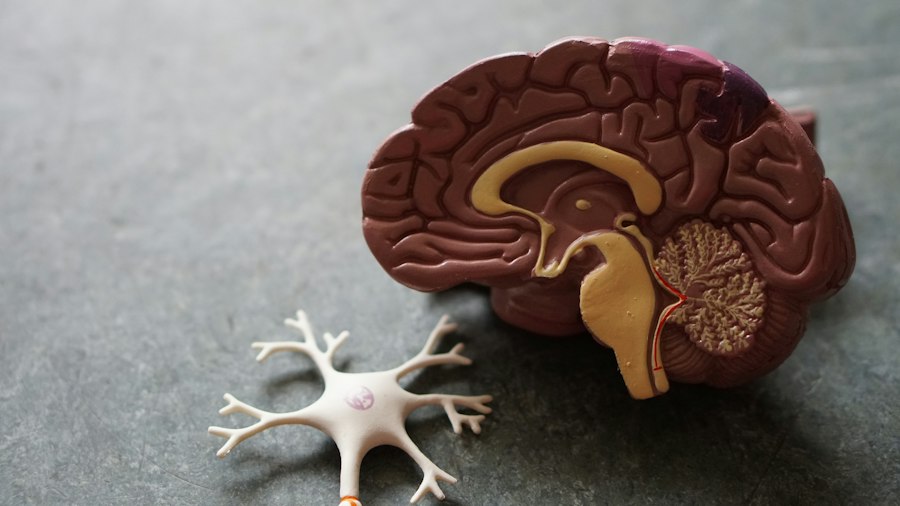 Neurology
Five Common Headache Types: When to See a Neurologist in Hyderabad
Migraine, tension-type, cluster, sinus-like and neck-related headaches can feel similar. Learn the common patterns, warning signs and safe next steps.
 Pediatrics
Soft Drinks and Children’s Health: Sugar, Caffeine and Better Choices
A practical guide for Hyderabad parents on sugary drinks, juices, energy drinks, dental health, hydration, labels and realistic swaps for children.
Have a health concern?
Consult our specialist doctors directly. Fast appointments available.