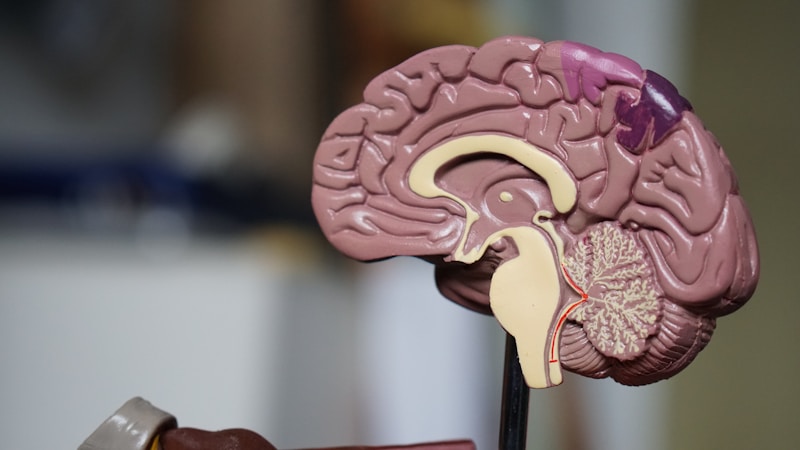
Paediatric stroke is rare but real — and early recognition is critical because children can recover better than adults when treated promptly. Dr. Anand Karnam explains the specific causes of stroke in children.
Key Points
- Stroke affects 1–3 per 100,000 children per year — rare, but the consequences are devastating.
- Unlike adult stroke, childhood stroke causes include congenital heart disease, sickle cell disease, vasculitis, and clotting disorders.
- FAST signs apply to children too — sudden facial drooping, arm weakness, or speech difficulty requires emergency care.
- Neonatal stroke is more common than childhood stroke and often presents as seizures in the newborn period.
- With early rehabilitation, children's brains have greater plasticity — many achieve remarkable recovery.
1-3 per 100,000
children per year affected by stroke
Source: International Paediatric Stroke Study
50%
of childhood stroke survivors have permanent neurological deficits
Source: Stroke Journal Paeds
25%
of childhood strokes recur within 5 years without secondary prevention
Source: Annals of Neurology
"Children do get strokes, and the tragedy is that recognition is often delayed because no one expects it. When a child suddenly develops weakness of one arm or speech difficulty, the instinct is to wait. We should never wait. Childhood stroke has a treatment window just like adult stroke. Early rehabilitation in children yields far better outcomes because the developing brain reorganises more readily."
Paediatric stroke — stroke occurring in children from newborn to 18 years — has an incidence of approximately 1–8 per 100,000 children per year. While rare, it is one of the top 10 causes of death in children, and survivors frequently have significant long-term disability including hemiplegia, epilepsy, and learning difficulties. Unlike adult stroke, the causes in children are diverse — and understanding them helps parents and doctors recognise and respond appropriately.
Causes of Stroke in Newborns (Perinatal Stroke)
Perinatal stroke — occurring around the time of birth — is actually more common than stroke at any other paediatric age. It is typically ischaemic and is often caused by: placental clots travelling to the foetal brain; coagulation disorders in the mother or baby; twin-to-twin transfusion complications; or birth asphyxia. Many perinatal strokes are detected only later when parents notice one-sided hand preference in infancy (a normal infant uses both hands equally — strong preference for one hand before 12 months should prompt evaluation).
Causes in Infants and Older Children
Congenital heart disease: The most common structural cause of childhood ischaemic stroke. Complex heart defects create turbulent blood flow, right-to-left shunts, or clot formation — clots can embolise to the brain. Children with congenital heart disease requiring surgical repair are at particular risk in the perioperative period.
Sickle cell disease: The most common cause of stroke in black African children. Sickled red blood cells cause vaso-occlusion in cerebral vessels. Regular transcranial Doppler screening and hydroxyurea therapy have dramatically reduced stroke incidence in sickle cell disease in countries where it is implemented.
Arteriopathies: Inflammatory or structural abnormalities of cerebral arteries — including Moyamoya disease (progressive stenosis of internal carotid arteries), childhood-onset cerebral arteritis, and focal cerebral arteriopathy. Often idiopathic but respond to specific treatment.
Prothrombotic states: Hereditary clotting disorders — Factor V Leiden, prothrombin gene mutation, antiphospholipid antibodies — predispose children to arterial and venous thrombosis. Often first detected when a child presents with stroke.
Infections: Bacterial meningitis, viral encephalitis, and COVID-19 all cause cerebral vasculitis or thrombosis that can produce stroke in children.
Warning Signs in Children
The same FAST criteria apply in children: Facial droop · Arm weakness · Speech difficulty · Time to call 108. Additional signs in young children: sudden loss of ability to use one hand; a child who was walking normally suddenly falls repeatedly to one side; seizures with one-sided onset; sudden vision loss in one eye.
Paediatric stroke evaluation including MRI brain, echocardiogram, thrombophilia screen: Sri Anand CNC, Chanda Nagar, Hyderabad. Call +91 90633 66983.
Dr. Anand Karnam
DrNB Neurology · Sri Anand CNC, Chanda Nagar Hyderabad · Sri Anand Child and Neuro Center
DrNB-qualified Neurologist, Fellow of the World Headache Society (FWHS), and Headache Specialist with 12+ years of experience treating epilepsy, stroke, migraine, and movement disorders. Practices at Sri Anand Child and Neuro Center, Chanda Nagar, Hyderabad.
References & Sources
- 1.Neurological Disorders — WHO — World Health Organization
- 2.Paediatric Neurology — AAP — American Academy of Pediatrics
- 3.IAP Neurology Guidelines — Indian Academy of Pediatrics
Health Information Standards
IMA — Indian Medical Association
Content follows IMA ethical guidelines for patient education
WHO — World Health Organization
Treatment information aligned with WHO clinical guidelines
MoHFW — Govt. of India — Ministry of Health
Follows MoHFW National Health Programme protocols
NMC — National Medical Commission
All doctors hold NMC-recognised qualifications (DrNB / MD / MPT)
All health tips and medical content on this website are written by qualified specialist doctors (DrNB / MD / MPT), follow the above guidelines, and are intended for general health education only. This content is original and evidence-based — not a substitute for professional medical advice. Always consult your doctor before making any health decisions.
Concerned about your health?
Talk to our specialist doctors directly — WhatsApp response within minutes during clinic hours.
Follow Sri Anand CNC — Health Education Videos
Dr. Anand Karnam and Dr. Sushma B regularly share health education videos, symptom guides, and wellness tips in Telugu and English — helping families in Hyderabad stay informed and healthy.
YouTube · Sri Anand Child and Neuro Center
Health education videos — neurological conditions, child health tips, physiotherapy exercises
Instagram · @srianandchildandneurocenter
Daily health tips, doctor reels, patient education in Telugu & English
Facebook · srianandchildandneurocenter
Latest health news, appointment reminders, and awareness posts
WhatsApp Channel · Sri Anand Health Tips
Subscribe for weekly health alerts, vaccine reminders, and neurological wellness tips