
Tremor is only one of Parkinson's many symptoms — and it is not even present in 25% of patients. Dr. Anand Karnam explains the early signs families miss, and what modern treatment can achieve.
Key Points
- Neurological symptoms often have identifiable, treatable causes — early evaluation changes outcomes.
- A detailed history and clinical examination by a neurologist is the most valuable diagnostic tool.
- Modern neuroimaging (MRI) and electrophysiology (EEG, NCS) enable precise diagnosis without invasive procedures.
- Most neurological conditions respond to treatment — complete cure or significant improvement is achievable for many.
- Preventive neurology — managing blood pressure, exercise, sleep, and diet — protects brain health for decades.
1 in 3
people will have a significant neurological condition in their lifetime
Source: WHO
80%
of strokes are preventable with lifestyle and medical management
Source: WHO
70%
of epilepsy patients achieve seizure freedom with the right medication
Source: WHO
"Every neurological symptom tells a story about the brain or nervous system. My job is to listen carefully, examine thoroughly, and use targeted investigations to decode that story — then find the most effective treatment."
Parkinson's disease is the second most common neurodegenerative disease after Alzheimer's — affecting approximately 1 in 100 people over the age of 60. In India, over 700,000 people are living with Parkinson's, with numbers expected to double by 2040. Despite its prevalence, Parkinson's is frequently diagnosed late — often 3 to 5 years after the first symptoms appear — because the early signs are subtle and easily attributed to ageing or other causes.
What Causes Parkinson's Disease?
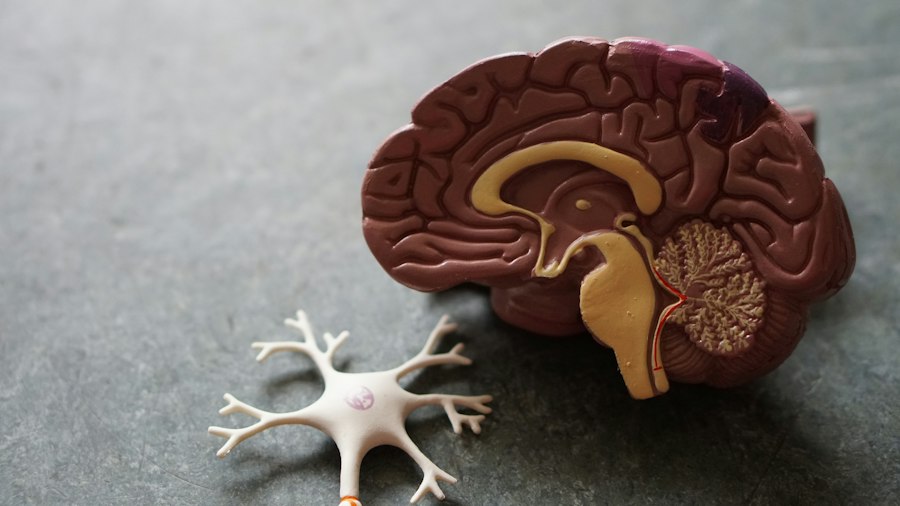
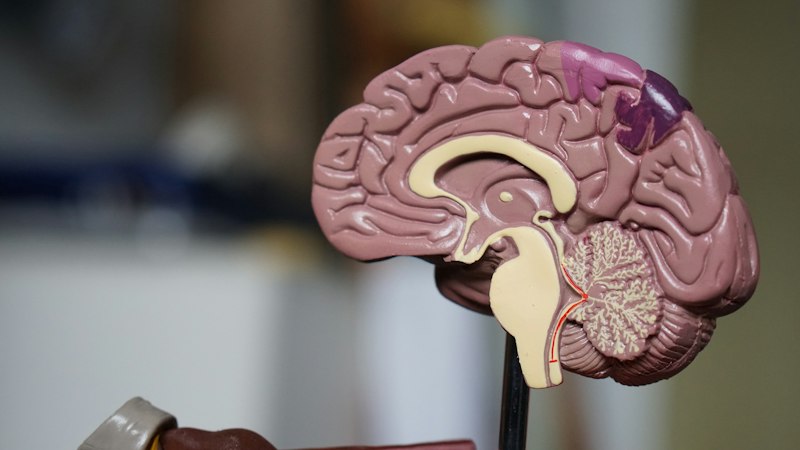
Parkinson's disease is caused by the progressive loss of dopamine-producing neurons in a part of the brain called the substantia nigra. Dopamine is the chemical messenger that coordinates smooth, controlled movement. As dopamine levels fall below approximately 80% of normal capacity, the motor symptoms of Parkinson's become apparent.
The exact cause of neuronal death in most cases is unknown. Risk factors include age (over 60), male sex, pesticide exposure, and certain genetic mutations (LRRK2, PARKIN, PINK1). Most cases are sporadic, not familial.
The Four Cardinal Features of Parkinson's
- Tremor at rest: The classic "pill-rolling" tremor of the thumb and fingers, present when the limb is at rest and disappears with movement. Begins on one side. Important: 25% of Parkinson's patients do not have a prominent tremor — especially in the early stages
- Bradykinesia (slowness of movement): This is the most disabling feature. Getting up from a chair takes effort; facial expression decreases (hypomimia); handwriting becomes small (micrographia); voice becomes soft (hypophonia)
- Rigidity: Stiffness of the arms or legs — the examiner detects a "cogwheel" or "lead pipe" resistance when moving the patient's limb. Patients often describe it as shoulder pain or stiffness — many are treated for frozen shoulder for years before Parkinson's is suspected
- Postural instability: Loss of balance and righting reflexes — appears in later stages. The major cause of falls and injuries in Parkinson's
Early Warning Signs That Come Before Tremor
Neurologists now know that Parkinson's disease begins in the gut and other areas years before motor symptoms appear. Pre-motor signs that should prompt evaluation:
- Loss of smell (hyposmia): One of the earliest signs — often many years before diagnosis. Patients notice food tastes bland, or they cannot detect strong smells
- REM Sleep Behaviour Disorder (RBD): Acting out dreams during sleep — shouting, kicking, punching the bed partner. A very strong predictor of future Parkinson's or related conditions
- Constipation: Parkinson's affects the gut nervous system (enteric nervous system) early — causing severe, long-standing constipation
- Depression and anxiety: Mood changes can precede motor symptoms by years — not just a reaction to the diagnosis
- Shoulder stiffness or frozen shoulder: Rigidity presenting as shoulder pain is a common early misdiagnosis
- Soft voice, monotone speech: Family members notice the person is speaking more quietly and with less expression
- Small handwriting: Micrographia — handwriting progressively shrinks in size as the patient writes
Diagnosis of Parkinson's
Parkinson's disease remains a clinical diagnosis — based on history and examination. There is no blood test or MRI finding that confirms it. Dr. Anand Karnam performs a detailed movement disorders examination including tremor assessment, rigidity testing, bradykinesia measurement, and gait analysis. MRI brain is arranged to exclude other causes (vascular Parkinsonism, normal pressure hydrocephalus, drug-induced Parkinsonism).
Response to levodopa trial — significant improvement of motor symptoms after starting medication — provides further diagnostic confidence.
Treatment — Modern Parkinson's Management
Parkinson's disease is not curable but is highly treatable. With the right medication regimen, most patients achieve excellent quality of life for many years:
- Levodopa + Carbidopa: The most effective medication for motor symptoms. The "gold standard." Concerns about starting levodopa early are outdated — starting when symptoms interfere with function is the current evidence-based recommendation
- Dopamine agonists (pramipexole, ropinirole): Used as initial therapy in younger patients or as add-on therapy
- MAO-B inhibitors (rasagiline, selegiline): Mild effect on its own, used as add-on therapy
- COMT inhibitors (entacapone): Extend the effect of levodopa in patients with "wearing off"
Physiotherapy for Parkinson's — LSVT BIG
At Sri Anand CNC, Dr. Harisha (MPT) provides Parkinson's-specific physiotherapy including LSVT BIG exercises — a research-proven programme that retrains patients to make larger, more normal movements. Regular Parkinson's physiotherapy significantly reduces fall risk and slows functional decline. Exercise is also independently neuroprotective — patients who exercise regularly have slower disease progression.
For Parkinson's evaluation and management: Sri Anand CNC, Chanda Nagar, Hyderabad. Call +91 90633 66983.
Dr. Anand Karnam
DrNB Neurology · Sri Anand CNC, Chanda Nagar Hyderabad · Sri Anand Child and Neuro Center
DrNB-qualified Neurologist, Fellow of the World Headache Society (FWHS), and Headache Specialist with 12+ years of experience treating epilepsy, stroke, migraine, and movement disorders. Practices at Sri Anand Child and Neuro Center, Chanda Nagar, Hyderabad.
References & Sources
- 1.Neurological Disorders — WHO — World Health Organization
- 2.Neurology — NIH MedlinePlus — NIH MedlinePlus
- 3.AAN Clinical Practice Guidelines — American Academy of Neurology
Health Information Standards
IMA — Indian Medical Association
Content follows IMA ethical guidelines for patient education
WHO — World Health Organization
Treatment information aligned with WHO clinical guidelines
MoHFW — Govt. of India — Ministry of Health
Follows MoHFW National Health Programme protocols
NMC — National Medical Commission
All doctors hold NMC-recognised qualifications (DrNB / MD / MPT)
All health tips and medical content on this website are written by qualified specialist doctors (DrNB / MD / MPT), follow the above guidelines, and are intended for general health education only. This content is original and evidence-based — not a substitute for professional medical advice. Always consult your doctor before making any health decisions.
Concerned about your health?
Talk to our specialist doctors directly — WhatsApp response within minutes during clinic hours.
Follow Sri Anand CNC — Health Education Videos
Dr. Anand Karnam and Dr. Sushma B regularly share health education videos, symptom guides, and wellness tips in Telugu and English — helping families in Hyderabad stay informed and healthy.
YouTube · Sri Anand Child and Neuro Center
Health education videos — neurological conditions, child health tips, physiotherapy exercises
Instagram · @srianandchildandneurocenter
Daily health tips, doctor reels, patient education in Telugu & English
Facebook · srianandchildandneurocenter
Latest health news, appointment reminders, and awareness posts
WhatsApp Channel · Sri Anand Health Tips
Subscribe for weekly health alerts, vaccine reminders, and neurological wellness tips