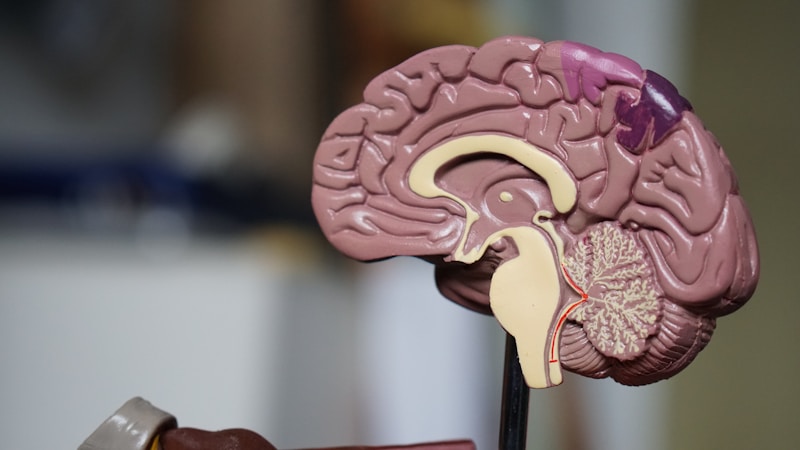
After a head injury, a person can become irritable, impulsive, or emotionally different. Families often blame it on attitude. The truth is often traumatic brain injury — and it is treatable.
Key Points
- Neurological symptoms often have identifiable, treatable causes — early evaluation changes outcomes.
- A detailed history and clinical examination by a neurologist is the most valuable diagnostic tool.
- Modern neuroimaging (MRI) and electrophysiology (EEG, NCS) enable precise diagnosis without invasive procedures.
- Most neurological conditions respond to treatment — complete cure or significant improvement is achievable for many.
- Preventive neurology — managing blood pressure, exercise, sleep, and diet — protects brain health for decades.
1 in 3
people will have a significant neurological condition in their lifetime
Source: WHO
80%
of strokes are preventable with lifestyle and medical management
Source: WHO
70%
of epilepsy patients achieve seizure freedom with the right medication
Source: WHO
"Every neurological symptom tells a story about the brain or nervous system. My job is to listen carefully, examine thoroughly, and use targeted investigations to decode that story — then find the most effective treatment."
One of the most heartbreaking consultations in neurology is when a family comes in confused and frustrated — "He's a completely different person since the accident. He used to be so calm and now he gets angry over nothing. He doesn't work. He forgets everything. Is it depression? Is he just being difficult?"
The answer, in many cases, is neither. It is traumatic brain injury (TBI) — and the personality change they are witnessing is not a choice. It is neurological damage.
What Is Traumatic Brain Injury?
Traumatic brain injury occurs when the brain is damaged by a sudden mechanical force — a road traffic accident, a fall, a sports collision, or a blow to the head. The injury can range from mild concussion (brief confusion with no structural damage on scan) to severe TBI (prolonged unconsciousness, significant brain bleed, lasting impairment).
Crucially, the severity of the initial injury does not always predict the long-term outcome. Some patients with seemingly "moderate" injuries — who walked out of hospital — develop profound personality and cognitive changes in the months that follow. Meanwhile, the CT scan at the time of injury was reported as "normal."
Why Does a Head Injury Change a Person's Personality?
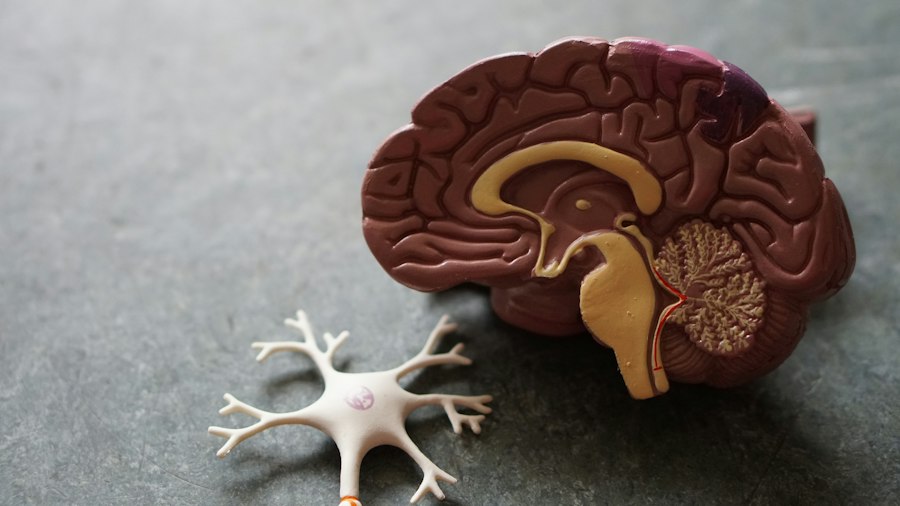
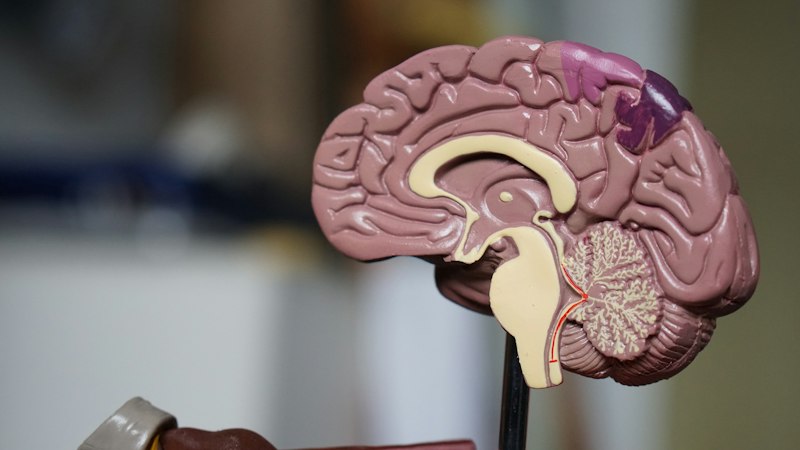
The frontal lobes — at the front of the brain, right behind the forehead — are the seat of personality, judgment, impulse control, emotional regulation, empathy, and planning. They are also the part of the brain most vulnerable to traumatic injury. In a road accident, the brain moves inside the skull and slams against the bony ridges at the front — this is called a contrecoup injury.
When the frontal lobes are damaged, the result is a characteristic cluster of changes:
- Irritability and disinhibition: The person says and does things they would never have said or done before. Swearing at family, losing temper over minor frustrations, making socially inappropriate remarks
- Apathy: Loss of motivation, not caring about job or family, appearing "lazy" — when in reality the motivational circuits are damaged
- Poor impulse control: Making rash decisions, spending impulsively, risk-taking behaviour
- Emotional lability: Laughing or crying disproportionately, mood shifts that seem unprovoked
- Lack of insight: The person often does not recognise the change in themselves — making rehabilitation very difficult
Combined with memory problems (temporal lobe involvement) and slowed processing speed (diffuse axonal injury from shearing forces), the person families bring to the clinic is genuinely not who they were before the accident.
Post-Traumatic Concussion Syndrome
Even "mild" head injuries — where the person was not hospitalised or only briefly observed — can cause a persistent syndrome including:
- Daily headaches (post-traumatic headache)
- Difficulty concentrating — brain fog
- Memory complaints — difficulty learning new things or recalling recent events
- Sleep disturbance
- Sensitivity to light and noise
- Anxiety and irritability
Post-concussion syndrome can persist for months to years. It is not imagined and not a psychiatric illness — it is a recognised neurological condition that responds to targeted treatment.
Head Injury — The Biggest Mistake Families Make
The most dangerous thing families do after a head injury is let the person "sleep it off." While rest is appropriate after concussion, allowing someone who is difficult to rouse, whose headache is getting worse, or who is vomiting repeatedly to simply sleep without assessment is potentially fatal. These are signs of raised intracranial pressure from a developing bleed (extradural haematoma) — which is surgically treatable if caught in time.
Assessment for Post-Traumatic Brain Injury
At Sri Anand CNC, Dr. Anand Karnam assesses post-TBI patients with:
- Detailed neurological history including the mechanism of injury, loss of consciousness, post-traumatic amnesia
- Neurological examination — cognitive testing, frontal lobe function assessment
- Review of existing imaging (CT / MRI from time of injury)
- MRI brain (arranged at nearby imaging centre) — DTI (diffuse tensor imaging) sequences can show diffuse axonal injury not visible on standard CT
- Neuropsychological testing referral for formal cognitive assessment
Treatment and Rehabilitation
TBI rehabilitation is multi-disciplinary and takes time — but significant improvement is possible:
- Medication: Antidepressants for emotional dysregulation; mood stabilisers for severe irritability; acetylcholinesterase inhibitors for cognitive impairment
- Cognitive rehabilitation: Structured exercises to retrain attention, memory, and executive function
- Family education: Understanding that the behaviour is not deliberate is as important as any medication. Reducing conflict and stress reduces secondary injury
- Physiotherapy: Balance, coordination, and return-to-activity programme by Dr. Harisha (MPT) at Sri Anand CNC
- Vocational rehabilitation: Returning to work with appropriate modifications
If someone you love has changed after a head injury, bring them for neurological assessment. It is not attitude — and there is help available. Sri Anand CNC, Chanda Nagar, Hyderabad. Call +91 90633 66983.
Dr. Anand Karnam
DrNB Neurology · Sri Anand CNC, Chanda Nagar Hyderabad · Sri Anand Child and Neuro Center
DrNB-qualified Neurologist, Fellow of the World Headache Society (FWHS), and Headache Specialist with 12+ years of experience treating epilepsy, stroke, migraine, and movement disorders. Practices at Sri Anand Child and Neuro Center, Chanda Nagar, Hyderabad.
References & Sources
- 1.Neurological Disorders — WHO — World Health Organization
- 2.Neurology — NIH MedlinePlus — NIH MedlinePlus
- 3.AAN Clinical Practice Guidelines — American Academy of Neurology
Health Information Standards
IMA — Indian Medical Association
Content follows IMA ethical guidelines for patient education
WHO — World Health Organization
Treatment information aligned with WHO clinical guidelines
MoHFW — Govt. of India — Ministry of Health
Follows MoHFW National Health Programme protocols
NMC — National Medical Commission
All doctors hold NMC-recognised qualifications (DrNB / MD / MPT)
All health tips and medical content on this website are written by qualified specialist doctors (DrNB / MD / MPT), follow the above guidelines, and are intended for general health education only. This content is original and evidence-based — not a substitute for professional medical advice. Always consult your doctor before making any health decisions.
Concerned about your health?
Talk to our specialist doctors directly — WhatsApp response within minutes during clinic hours.
Follow Sri Anand CNC — Health Education Videos
Dr. Anand Karnam and Dr. Sushma B regularly share health education videos, symptom guides, and wellness tips in Telugu and English — helping families in Hyderabad stay informed and healthy.
YouTube · Sri Anand Child and Neuro Center
Health education videos — neurological conditions, child health tips, physiotherapy exercises
Instagram · @srianandchildandneurocenter
Daily health tips, doctor reels, patient education in Telugu & English
Facebook · srianandchildandneurocenter
Latest health news, appointment reminders, and awareness posts
WhatsApp Channel · Sri Anand Health Tips
Subscribe for weekly health alerts, vaccine reminders, and neurological wellness tips