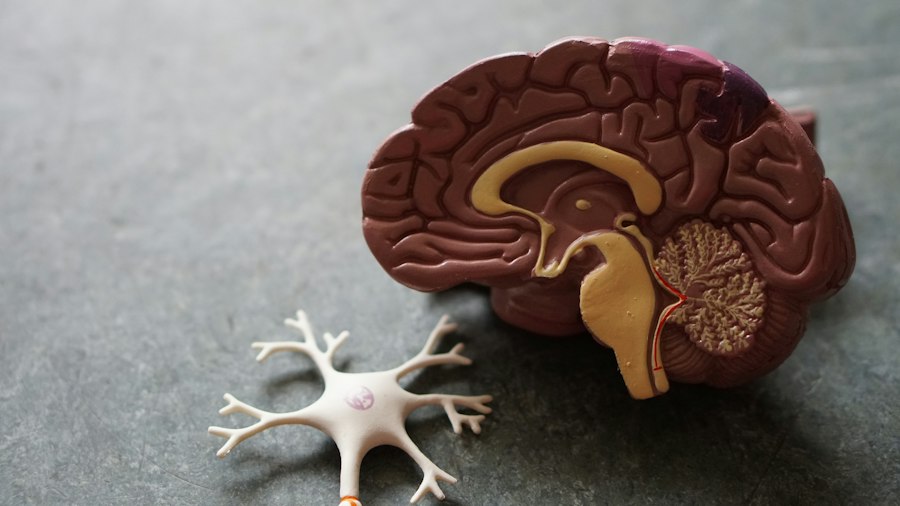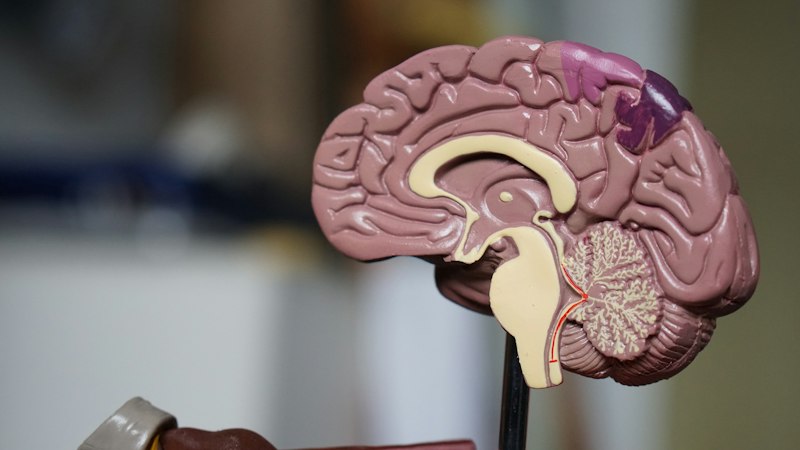

A brain scar from a past infection, head injury, or stroke can become an epileptic focus — causing seizures years or decades later. Dr. Anand Karnam explains scar epilepsy, its causes in India, and treatment options.
Key Points
- Scar epilepsy (post-lesional or symptomatic epilepsy) occurs when a brain scar acts as a seizure focus.
- Common causes: previous head injury, encephalitis, tuberculoma, stroke, or birth asphyxia.
- MRI 3-Tesla epilepsy protocol identifies subtle scars missed on standard imaging.
- SEEG (stereoelectroencephalography) or video-EEG maps the seizure focus for surgical planning.
- Epilepsy surgery is curative in 60–80% of drug-resistant scar epilepsy — one of neurology's most effective procedures.
60–80%
seizure freedom rate after surgery for drug-resistant temporal lobe scar epilepsy
Source: ILAE
30%
of epilepsy cases are drug-resistant — many have a surgically treatable focus
Source: WHO
3 drugs
number of failed medications before drug-resistance is defined — surgery should be considered
Source: ILAE
"Post-lesional epilepsy is one of the most surgically curable forms of the condition. A patient with drug-resistant seizures from a temporal lobe scar, who has failed 3 medications — that patient deserves a surgical evaluation, not a fourth drug."
Scar epilepsy — technically called lesional or structural epilepsy — occurs when a damaged area of the brain (a "scar" or lesion) becomes an abnormal electrical focus that generates seizures. The original brain injury may have occurred years or even decades before the first seizure. In India, the most common causes of scar epilepsy are distinct from those in Western countries, owing to the high prevalence of certain brain infections.
Common Causes in India
Neurocysticercosis (NCC): By far the most common cause of new-onset epilepsy in adults in India — accounting for up to 50% of cases in some series. The tapeworm Taenia solium forms cysts in the brain; when the cyst dies, it calcifies, leaving a calcified scar that can generate seizures for years. The calcified granuloma is visible on CT scan.
Hippocampal sclerosis: Scarring of the hippocampus (memory area of the temporal lobe) — often the long-term consequence of a prolonged febrile seizure in childhood (febrile status epilepticus). Causes refractory temporal lobe epilepsy in adults. The characteristic seizure: focal unaware seizures with epigastric aura and automatisms. MRI shows a shrunken, bright hippocampus on FLAIR sequences.
Post-stroke epilepsy: 2–4% of ischemic stroke survivors develop epilepsy. The infarcted tissue and surrounding gliotic scar is epileptogenic. Early post-stroke seizures (within 7 days) do not indicate epilepsy; late seizures (after 7 days) are more likely to recur.
Traumatic brain injury: Cortical contusion with glial scarring — particularly after penetrating head injuries. Risk of post-traumatic epilepsy increases with injury severity.
Treatment
Anti-seizure medications (ASMs) are the first line — selected based on seizure type and MRI findings. For hippocampal sclerosis that is drug-resistant, surgical resection of the sclerotic hippocampus achieves seizure freedom in 60–80% of carefully selected patients. This is one of the most effective surgical procedures in all of medicine. MRI brain and EEG evaluation for unexplained seizures: Sri Anand CNC, Chanda Nagar, Hyderabad. Call +91 90633 66983.
Dr. Anand Karnam
DrNB Neurology · Sri Anand CNC, Chanda Nagar Hyderabad · Sri Anand Child and Neuro Center
DrNB-qualified Neurologist, Fellow of the World Headache Society (FWHS), and Headache Specialist with 12+ years of experience treating epilepsy, stroke, migraine, and movement disorders. Practices at Sri Anand Child and Neuro Center, Chanda Nagar, Hyderabad.
References & Sources
- 1.Epilepsy — WHO Fact Sheet — World Health Organization
- 2.Focal Epilepsy — NCBI StatPearls — NCBI StatPearls
- 3.ILAE Classification of Epilepsies — International League Against Epilepsy
Health Information Standards
IMA — Indian Medical Association
Content follows IMA ethical guidelines for patient education
WHO — World Health Organization
Treatment information aligned with WHO clinical guidelines
MoHFW — Govt. of India — Ministry of Health
Follows MoHFW National Health Programme protocols
NMC — National Medical Commission
All doctors hold NMC-recognised qualifications (DrNB / MD / MPT)
All health tips and medical content on this website are written by qualified specialist doctors (DrNB / MD / MPT), follow the above guidelines, and are intended for general health education only. This content is original and evidence-based — not a substitute for professional medical advice. Always consult your doctor before making any health decisions.
Concerned about your health?
Talk to our specialist doctors directly — WhatsApp response within minutes during clinic hours.
Follow Sri Anand CNC — Health Education Videos
Dr. Anand Karnam and Dr. Sushma B regularly share health education videos, symptom guides, and wellness tips in Telugu and English — helping families in Hyderabad stay informed and healthy.
YouTube · Sri Anand Child and Neuro Center
Health education videos — neurological conditions, child health tips, physiotherapy exercises
Instagram · @srianandchildandneurocenter
Daily health tips, doctor reels, patient education in Telugu & English
Facebook · srianandchildandneurocenter
Latest health news, appointment reminders, and awareness posts
WhatsApp Channel · Sri Anand Health Tips
Subscribe for weekly health alerts, vaccine reminders, and neurological wellness tips