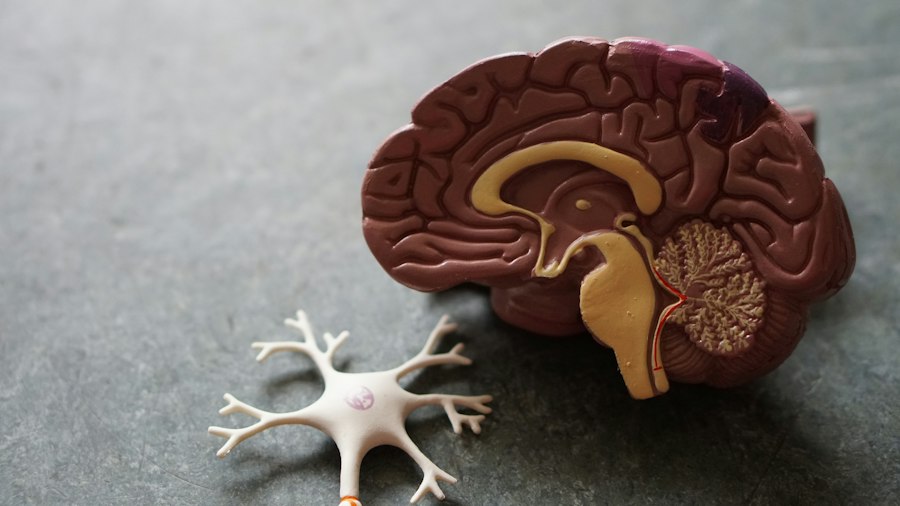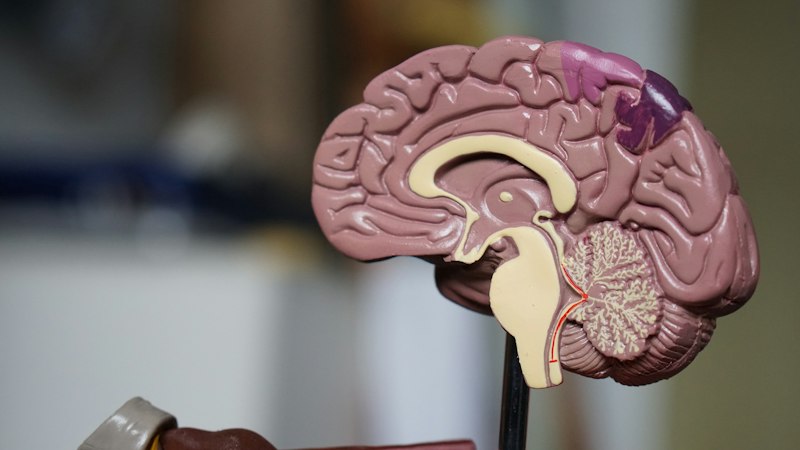

Distracted driving kills more people in India than drunk driving. Dr. Anand Karnam explains the neuroscience behind why your brain literally cannot multitask — and the brain damage risk from this habit.
Key Points
- Using a handheld phone while driving creates a 4-second visual attention gap at 60 km/h — covering 67 metres blind.
- Brain scan studies show that phone conversations while driving reduce prefrontal cortex activation by up to 37%, impairing hazard detection — even with hands-free devices.
- Hands-free phone use is not significantly safer than handheld — the cognitive distraction is nearly identical according to neuroimaging research.
- Reading a text while driving at 60 km/h occupies your attention for an average 5 seconds, during which you travel the length of a cricket pitch blind.
- India has the highest road accident fatality rate in the world — approximately 150,000 deaths per year — with phone distraction a major contributing factor.
150,000
annual road fatalities in India — highest in the world in absolute numbers
Source: Ministry of Road Transport & Highways 2023
37%
reduction in prefrontal cortex activation during phone-while-driving measured by fMRI
Source: Carnegie Mellon University Neuroimaging Study
5 sec
average visual attention gap from reading a text — equivalent to 83 metres at 60 km/h
Source: US National Highway Traffic Safety Administration
"As a neurologist treating road accident patients, the frequency with which phone use is involved has become striking. The brain cannot multitask effectively — it rapidly switches between tasks, creating attention gaps. At highway speeds, a 2–3 second attention gap can be the difference between a near-miss and a fatal collision. No call or message is worth that."
The Multitasking Myth
Human brains do not multitask. This is not an opinion — it is fundamental neuroscience. What we experience as multitasking is actually rapid task-switching — the prefrontal cortex alternating attention between tasks, paying a cognitive cost at every switch. Each switch introduces a reaction time penalty, a brief gap where neither task receives full cognitive processing.
For most tasks, this switching penalty is acceptable — minor inefficiency and slower performance. For driving at 60 kmph, each 0.5-second attention gap means the vehicle travels 8+ metres completely unmonitored by the driver's conscious attention.
Why a Phone Call Is More Dangerous Than Talking to a Passenger
Studies consistently show that talking on a phone while driving (even hands-free) impairs driving performance more than a blood alcohol level of 0.08% — the legal drunk driving limit in India. A passenger adjusts their conversation to road conditions — they stop talking when the driver needs to navigate a junction. A phone caller does not have this shared situational awareness. The cognitive load of the phone conversation occupies the prefrontal cortex continuously, without the natural pauses of in-person conversation.
The Inattentional Blindness Problem
When the brain's attention is directed to a phone conversation or screen, it enters a state called inattentional blindness — the eyes are open and pointed at the road, but the visual input is not being consciously processed. Studies have shown that drivers on phones fail to notice obvious events in front of them — a cyclist, a pedestrian, a red light — even when looking directly at them. The visual data reaches the retina but is not processed by the occupied brain.
The Brain's Own Risk Underestimation
Part of why people continue to use phones while driving is that the brain is terrible at assessing its own impairment. The same prefrontal cortex impaired by the dual task is the one making the judgment that "I can handle this." This is the same mechanism as alcohol impairment — the impaired brain does not experience itself as impaired.
For traumatic brain injury and road accident assessment: Sri Anand CNC, Chanda Nagar, Hyderabad. Call +91 90633 66983.
Dr. Anand Karnam
DrNB Neurology · Sri Anand CNC, Chanda Nagar Hyderabad · Sri Anand Child and Neuro Center
DrNB-qualified Neurologist, Fellow of the World Headache Society (FWHS), and Headache Specialist with 12+ years of experience treating epilepsy, stroke, migraine, and movement disorders. Practices at Sri Anand Child and Neuro Center, Chanda Nagar, Hyderabad.
References & Sources
- 1.Neurological Disorders — WHO — World Health Organization
- 2.Neurology — NIH MedlinePlus — NIH MedlinePlus
- 3.AAN Clinical Practice Guidelines — American Academy of Neurology
Health Information Standards
IMA — Indian Medical Association
Content follows IMA ethical guidelines for patient education
WHO — World Health Organization
Treatment information aligned with WHO clinical guidelines
MoHFW — Govt. of India — Ministry of Health
Follows MoHFW National Health Programme protocols
NMC — National Medical Commission
All doctors hold NMC-recognised qualifications (DrNB / MD / MPT)
All health tips and medical content on this website are written by qualified specialist doctors (DrNB / MD / MPT), follow the above guidelines, and are intended for general health education only. This content is original and evidence-based — not a substitute for professional medical advice. Always consult your doctor before making any health decisions.
Concerned about your health?
Talk to our specialist doctors directly — WhatsApp response within minutes during clinic hours.
Follow Sri Anand CNC — Health Education Videos
Dr. Anand Karnam and Dr. Sushma B regularly share health education videos, symptom guides, and wellness tips in Telugu and English — helping families in Hyderabad stay informed and healthy.
YouTube · Sri Anand Child and Neuro Center
Health education videos — neurological conditions, child health tips, physiotherapy exercises
Instagram · @srianandchildandneurocenter
Daily health tips, doctor reels, patient education in Telugu & English
Facebook · srianandchildandneurocenter
Latest health news, appointment reminders, and awareness posts
WhatsApp Channel · Sri Anand Health Tips
Subscribe for weekly health alerts, vaccine reminders, and neurological wellness tips