Is your child too restless, easily distracted, or impulsive? ADHD is one of the most common neurodevelopmental conditions in children — and it is very treatable. Here is everything you need to know.
Key Points
- ADHD affects 5–7% of school-age children and is the most common neurodevelopmental disorder.
- Core features are inattention, hyperactivity, and impulsivity — a child must show these in multiple settings.
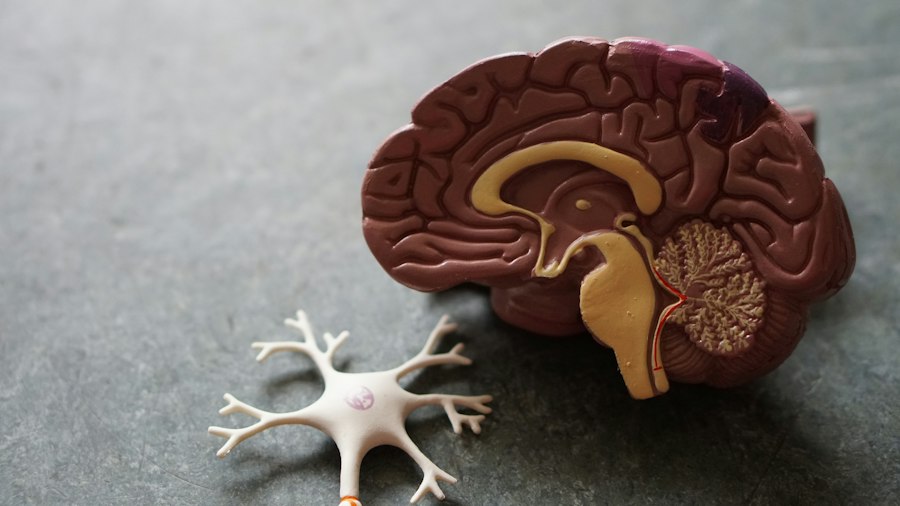
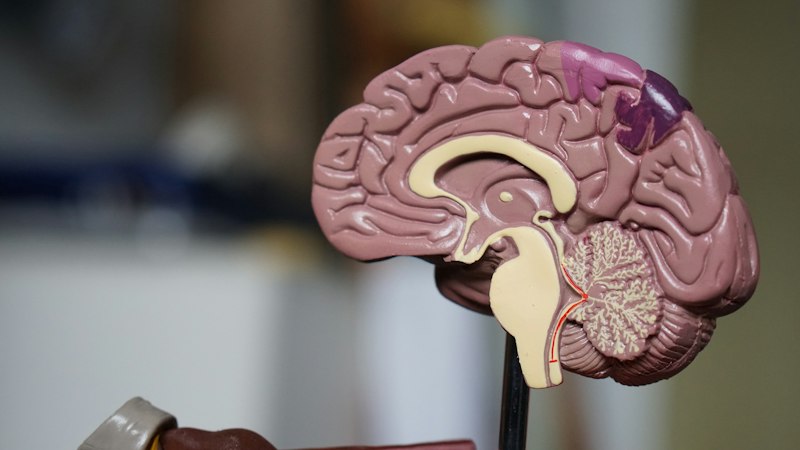
- ADHD is a brain-based condition, not a result of bad parenting or too much screen time.
- Behavioural therapy is the first-line treatment for children under 6; medication is considered from age 6.
- With proper management, children with ADHD perform academically and socially as well as their peers.
5–7%
of school-age children worldwide have ADHD
Source: AAP
2–3×
more common in boys than girls at school age
Source: NCBI
80%
of children with ADHD show significant improvement with combined therapy
Source: AAP
"ADHD is not about being naughty or lazy. These children have brains wired differently — they can hyperfocus on what interests them but genuinely struggle to sustain attention on demand. The right support transforms outcomes."
Does your child struggle to sit still for even a few minutes? Are teachers saying they are always distracted or interrupting others? If this pattern has gone on for months and is affecting school or home life, ADHD may be worth considering.
What Is ADHD?
ADHD stands for Attention Deficit Hyperactivity Disorder. It is a neurodevelopmental condition — meaning it is related to how the brain is wired, not a character flaw or parenting failure. Children with ADHD have difficulty with attention, impulse control, and/or activity levels compared to their peers.
ADHD is estimated to affect about 5–8% of school-age children in India. Boys are diagnosed more often, but girls can have ADHD too — often the "inattentive" type, which is easier to miss.
The Three Types of ADHD
- Predominantly Inattentive: The child loses focus easily, forgets instructions, makes careless mistakes, and daydreams. Often mistaken for laziness or low intelligence.
- Predominantly Hyperactive-Impulsive: The child is always moving, talks too much, interrupts others, and cannot wait their turn.
- Combined Type: Both inattention and hyperactivity-impulsivity are present. This is the most common type.
Signs of ADHD in Children
In school-age children, typical signs include:
- Cannot focus on tasks for more than a few minutes
- Frequently loses stationery, books, or belongings
- Forgets daily routine tasks (homework, packing bag)
- Constantly fidgeting, squirming, or leaving their seat
- Interrupts conversations or blurts out answers before questions are finished
- Difficulty waiting for their turn in games or activities
- Often acts without thinking of consequences
Importantly, these behaviours need to occur in more than one setting (home and school), have been present for at least 6 months, and cause actual problems in the child's life. All children are sometimes restless — ADHD is about a persistent pattern.
How Is ADHD Diagnosed?
There is no single blood test or brain scan for ADHD. Diagnosis is clinical — done by a specialist (paediatric neurologist or developmental paediatrician) through detailed interviews with parents, structured questionnaires completed by parents and teachers, behavioural observation, and ruling out other causes like vision/hearing problems, anxiety, sleep disorders, or learning disabilities.
ADHD Treatment Options
ADHD is highly manageable. Treatment typically includes:
- Behavioural Therapy: First-line treatment, especially for children under 6. Teaches organisational skills, impulse control, and coping strategies.
- Classroom Modifications: Seating near the teacher, extra time for tests, breaking tasks into smaller steps.
- Parent Training: Learning how to respond to challenging behaviours consistently and calmly.
- Medication: For school-age children with moderate to severe ADHD, medications (methylphenidate is the most common) can significantly improve focus and reduce impulsivity. Medication is always used alongside therapy, not instead of it.
"ADHD is not about effort or intelligence. Many children with ADHD are highly creative, energetic, and capable — they just need the right support and strategies to channel their strengths."
Dr. Anand Karnam evaluates and manages ADHD and neurodevelopmental conditions at Sri Anand Child and Neuro Center, Chanda Nagar, Hyderabad. Call +91 90633 66983 to book an assessment.
Medically reviewed by Dr. Anand Karnam, MBBS · DNB · DrNB · FWHS. Follows IAP ADHD management guidelines.
Dr. Anand Karnam
Consultant Neurologist & Headache Specialist · Sri Anand Child and Neuro Center
DrNB-qualified Neurologist, Fellow of the World Headache Society (FWHS), and Headache Specialist with 12+ years of experience treating epilepsy, stroke, migraine, and movement disorders. Practices at Sri Anand Child and Neuro Center, Chanda Nagar, Hyderabad.
Medically Reviewed
This article follows IAP (Indian Academy of Pediatrics) ADHD Guidelines and is written by a qualified specialist at Sri Anand Child and Neuro Center. It is intended for general health information only — not a substitute for professional medical advice.
References & Sources
- 1.ADHD — WHO — World Health Organization
- 2.ADHD — AAP Clinical Practice Guideline — American Academy of Pediatrics
- 3.ADHD — NCBI StatPearls — NCBI StatPearls
Health Information Standards
IMA — Indian Medical Association
Content follows IMA ethical guidelines for patient education
WHO — World Health Organization
Treatment information aligned with WHO clinical guidelines
MoHFW — Govt. of India — Ministry of Health
Follows MoHFW National Health Programme protocols
NMC — National Medical Commission
All doctors hold NMC-recognised qualifications (DrNB / MD / MPT)
All health tips and medical content on this website are written by qualified specialist doctors (DrNB / MD / MPT), follow the above guidelines, and are intended for general health education only. This content is original and evidence-based — not a substitute for professional medical advice. Always consult your doctor before making any health decisions.
Concerned about your health?
Talk to our specialist doctors directly — WhatsApp response within minutes during clinic hours.
Follow Sri Anand CNC — Health Education Videos
Dr. Anand Karnam and Dr. Sushma B regularly share health education videos, symptom guides, and wellness tips in Telugu and English — helping families in Hyderabad stay informed and healthy.
YouTube · Sri Anand Child and Neuro Center
Health education videos — neurological conditions, child health tips, physiotherapy exercises
Instagram · @srianandchildandneurocenter
Daily health tips, doctor reels, patient education in Telugu & English
Facebook · srianandchildandneurocenter
Latest health news, appointment reminders, and awareness posts
WhatsApp Channel · Sri Anand Health Tips
Subscribe for weekly health alerts, vaccine reminders, and neurological wellness tips