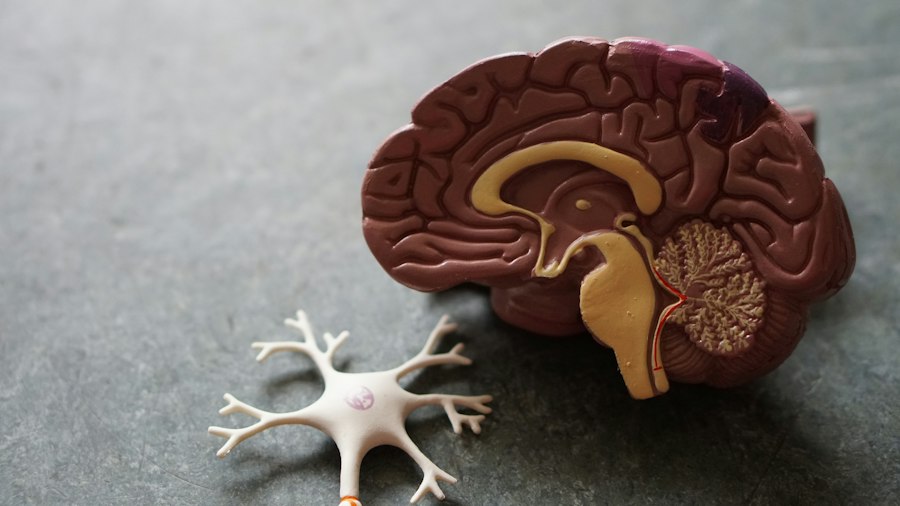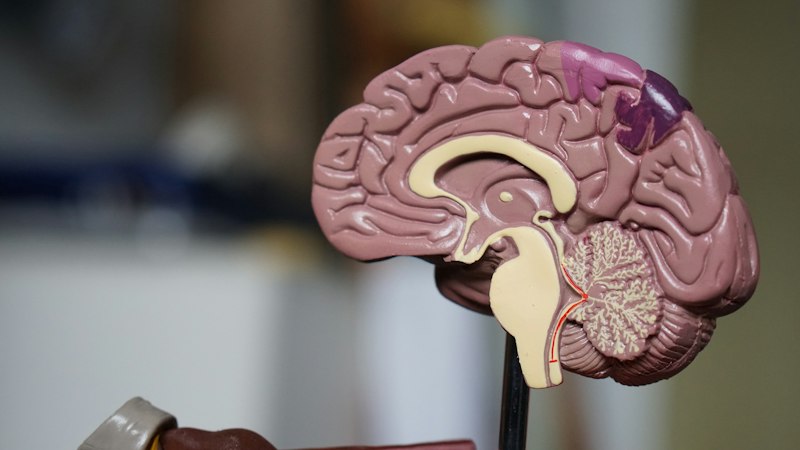
54,000 people were alarmed by this. Neurocysticercosis — tapeworm larvae in the brain — is one of the leading causes of new-onset seizures in India. Dr. Anand Karnam explains how it happens and how it is treated.
Key Points
- Neurological symptoms often have identifiable, treatable causes — early evaluation changes outcomes.
- A detailed history and clinical examination by a neurologist is the most valuable diagnostic tool.
- Modern neuroimaging (MRI) and electrophysiology (EEG, NCS) enable precise diagnosis without invasive procedures.
- Most neurological conditions respond to treatment — complete cure or significant improvement is achievable for many.
- Preventive neurology — managing blood pressure, exercise, sleep, and diet — protects brain health for decades.
1 in 3
people will have a significant neurological condition in their lifetime
Source: WHO
80%
of strokes are preventable with lifestyle and medical management
Source: WHO
70%
of epilepsy patients achieve seizure freedom with the right medication
Source: WHO
"Every neurological symptom tells a story about the brain or nervous system. My job is to listen carefully, examine thoroughly, and use targeted investigations to decode that story — then find the most effective treatment."
In India, neurocysticercosis — the presence of Taenia solium (pork tapeworm) larvae in the brain — is responsible for approximately 30–50% of all adult-onset epilepsy in endemic areas. It is a treatable condition that mimics epilepsy — and in many patients, a single course of antiparasitic medication can stop seizures that have been going on for years.
How Does a Tapeworm Reach the Brain?
The Taenia solium lifecycle involves two hosts: humans and pigs. When humans ingest tapeworm eggs — typically through contaminated water or raw vegetables fertilised with infected human faeces — the eggs hatch in the intestine, penetrate the gut wall, and the larvae travel through the bloodstream to lodge in muscles, the eye, or the brain. This is cysticercosis. When it affects the brain, it is neurocysticercosis.
Important clarification: You do NOT get neurocysticercosis from eating pork or meat directly. You get it from ingesting tapeworm EGGS (the faecal-oral route — contaminated water, unwashed vegetables, poor hand hygiene). Vegetarians can get neurocysticercosis just as easily as meat-eaters if food hygiene is poor.
How It Causes Seizures
The larval cysts in the brain initially cause no symptoms — the immune system tolerates the live parasite. When the parasite dies (naturally or from treatment), it triggers an intense inflammatory reaction. This inflammation irritates the surrounding brain cortex and generates seizure activity. The seizures typically begin in adulthood — often the first seizure of the patient's life — with no family history and no prior brain injury.
Diagnosis
MRI brain with contrast shows the characteristic lesion: a small ring-enhancing lesion (dead/dying cyst surrounded by oedema) — sometimes with a bright dot inside (the scolex, or head of the larva). Blood ELISA for cysticercosis antibodies supports the diagnosis. CT scan may show calcified lesions from old, healed cysts.
Treatment
Antiparasitic treatment (albendazole or praziquantel) combined with corticosteroids (to control the inflammatory reaction) and anti-epileptic medication. Most single-lesion cases resolve completely within 3–6 months, and anti-epileptic medication can often be tapered after the lesion resolves.
For new-onset seizure evaluation and MRI assessment: Sri Anand CNC, Chanda Nagar, Hyderabad. Call +91 90633 66983.
Dr. Anand Karnam
DrNB Neurology · Sri Anand CNC, Chanda Nagar Hyderabad · Sri Anand Child and Neuro Center
DrNB-qualified Neurologist, Fellow of the World Headache Society (FWHS), and Headache Specialist with 12+ years of experience treating epilepsy, stroke, migraine, and movement disorders. Practices at Sri Anand Child and Neuro Center, Chanda Nagar, Hyderabad.
References & Sources
- 1.Neurological Disorders — WHO — World Health Organization
- 2.Neurology — NIH MedlinePlus — NIH MedlinePlus
- 3.AAN Clinical Practice Guidelines — American Academy of Neurology
Health Information Standards
IMA — Indian Medical Association
Content follows IMA ethical guidelines for patient education
WHO — World Health Organization
Treatment information aligned with WHO clinical guidelines
MoHFW — Govt. of India — Ministry of Health
Follows MoHFW National Health Programme protocols
NMC — National Medical Commission
All doctors hold NMC-recognised qualifications (DrNB / MD / MPT)
All health tips and medical content on this website are written by qualified specialist doctors (DrNB / MD / MPT), follow the above guidelines, and are intended for general health education only. This content is original and evidence-based — not a substitute for professional medical advice. Always consult your doctor before making any health decisions.
Concerned about your health?
Talk to our specialist doctors directly — WhatsApp response within minutes during clinic hours.
Follow Sri Anand CNC — Health Education Videos
Dr. Anand Karnam and Dr. Sushma B regularly share health education videos, symptom guides, and wellness tips in Telugu and English — helping families in Hyderabad stay informed and healthy.
YouTube · Sri Anand Child and Neuro Center
Health education videos — neurological conditions, child health tips, physiotherapy exercises
Instagram · @srianandchildandneurocenter
Daily health tips, doctor reels, patient education in Telugu & English
Facebook · srianandchildandneurocenter
Latest health news, appointment reminders, and awareness posts
WhatsApp Channel · Sri Anand Health Tips
Subscribe for weekly health alerts, vaccine reminders, and neurological wellness tips