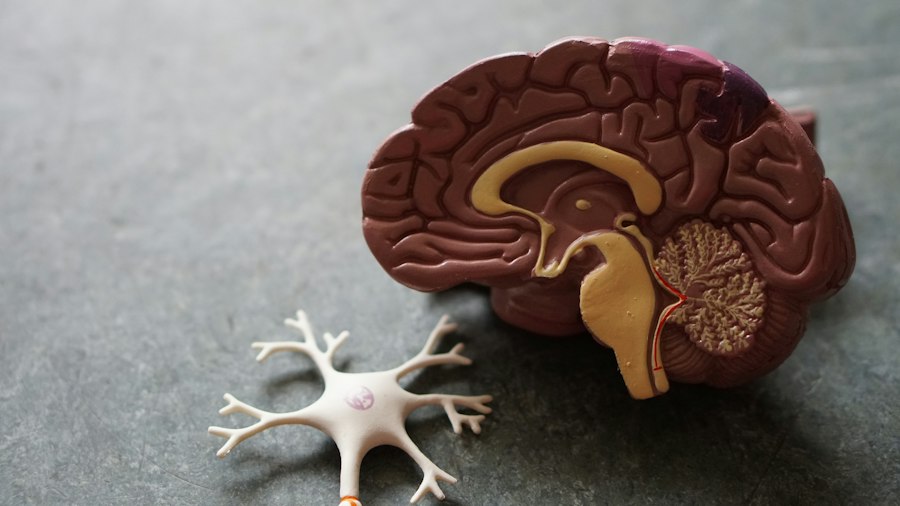

A seizure lasting more than 5 minutes, or two seizures without recovery between them, is status epilepticus — a medical emergency. Dr. Anand Karnam explains why every minute matters and what the emergency treatment involves.
Key Points
- Status epilepticus is a seizure lasting >5 minutes or recurrent seizures without recovery in between — emergency.
- IV lorazepam (or rectal diazepam/buccal midazolam if no IV access) is first-line treatment.
- If no IV access: buccal midazolam or intranasal midazolam — parents should carry this for known epilepsy.
- After 20 minutes without resolution: IV levetiracetam or valproate — anaesthesia if refractory at 40 minutes.
- Time from onset to treatment is the single strongest predictor of outcome — act immediately.
5 minutes
seizure duration threshold defining status epilepticus — treat immediately
Source: ILAE
10–20%
30-day mortality rate for status epilepticus
Source: NCBI
60%
of status epilepticus episodes respond to first-line benzodiazepine treatment
Source: ILAE
"Status epilepticus is a neurological emergency with a 10–20% mortality risk. The most critical intervention is not in hospital — it is whoever first responds giving buccal midazolam within the first 5 minutes. Families of high-risk patients must have this medication and know how to use it."
A typical tonic-clonic seizure stops on its own within 1–3 minutes — the brain's inhibitory mechanisms terminate the abnormal discharge. When a seizure continues beyond 5 minutes, it is unlikely to stop spontaneously. Beyond this point, the term status epilepticus (SE) applies. SE is a neurological emergency: prolonged seizure activity causes irreversible neuron death, systemic complications (hyperthermia, metabolic acidosis, hypoxia, rhabdomyolysis), and has a mortality of 10–20% in adults.
Why Seizures Become Status Epilepticus
In established SE, the brain's normal seizure-terminating mechanisms fail: GABA (inhibitory) receptors are internalised away from the synapse; glutamate (excitatory) receptors accumulate. This is why early treatment with benzodiazepines (which act on GABA receptors) is effective — and why the same benzodiazepines become progressively less effective as SE continues. Time is of the essence.
Emergency Treatment Protocol
0–5 minutes: Airway, breathing, circulation. Pulse oximetry. IV access. Blood glucose — give glucose immediately if hypoglycaemic (common, reversible cause). 5–20 minutes (first-line): Benzodiazepine — IV lorazepam (0.1mg/kg, preferred) or IV diazepam (0.15–0.2mg/kg); rectal diazepam or buccal/intranasal midazolam if no IV access (for community use). 20–40 minutes (second-line): IV phenytoin/fosphenytoin, valproate, or levetiracetam — choose based on patient and drug availability. Beyond 40 minutes (refractory SE): Anaesthetic agents (propofol, midazolam infusion, thiopentone coma) with continuous EEG monitoring in ICU.
What Family Members Should Do
If a known epilepsy patient's seizure exceeds 5 minutes — or any seizure that doesn't stop — call 108. If they have prescribed rescue medication (buccal midazolam or rectal diazepam), administer it now. Place the person on their side (recovery position). Do not restrain. Do not put anything in the mouth. Time the seizure — this information is critical for emergency doctors. Sri Anand CNC, Chanda Nagar, Hyderabad. Call +91 90633 66983.
Dr. Anand Karnam
DrNB Neurology · Sri Anand CNC, Chanda Nagar Hyderabad · Sri Anand Child and Neuro Center
DrNB-qualified Neurologist, Fellow of the World Headache Society (FWHS), and Headache Specialist with 12+ years of experience treating epilepsy, stroke, migraine, and movement disorders. Practices at Sri Anand Child and Neuro Center, Chanda Nagar, Hyderabad.
References & Sources
- 1.Status Epilepticus — NCBI StatPearls — NCBI StatPearls
- 2.Epilepsy Emergency — ILAE — International League Against Epilepsy
- 3.Epilepsy — WHO Fact Sheet — World Health Organization
Health Information Standards
IMA — Indian Medical Association
Content follows IMA ethical guidelines for patient education
WHO — World Health Organization
Treatment information aligned with WHO clinical guidelines
MoHFW — Govt. of India — Ministry of Health
Follows MoHFW National Health Programme protocols
NMC — National Medical Commission
All doctors hold NMC-recognised qualifications (DrNB / MD / MPT)
All health tips and medical content on this website are written by qualified specialist doctors (DrNB / MD / MPT), follow the above guidelines, and are intended for general health education only. This content is original and evidence-based — not a substitute for professional medical advice. Always consult your doctor before making any health decisions.
Concerned about your health?
Talk to our specialist doctors directly — WhatsApp response within minutes during clinic hours.
Follow Sri Anand CNC — Health Education Videos
Dr. Anand Karnam and Dr. Sushma B regularly share health education videos, symptom guides, and wellness tips in Telugu and English — helping families in Hyderabad stay informed and healthy.
YouTube · Sri Anand Child and Neuro Center
Health education videos — neurological conditions, child health tips, physiotherapy exercises
Instagram · @srianandchildandneurocenter
Daily health tips, doctor reels, patient education in Telugu & English
Facebook · srianandchildandneurocenter
Latest health news, appointment reminders, and awareness posts
WhatsApp Channel · Sri Anand Health Tips
Subscribe for weekly health alerts, vaccine reminders, and neurological wellness tips