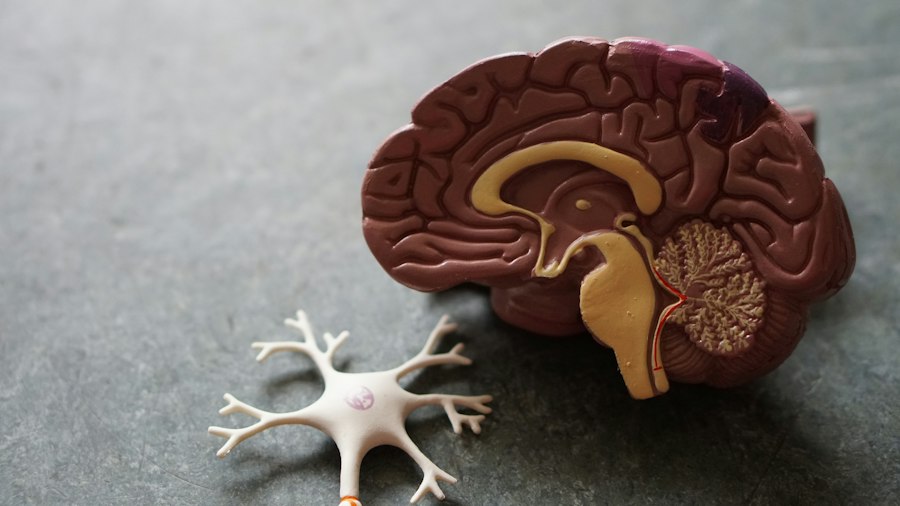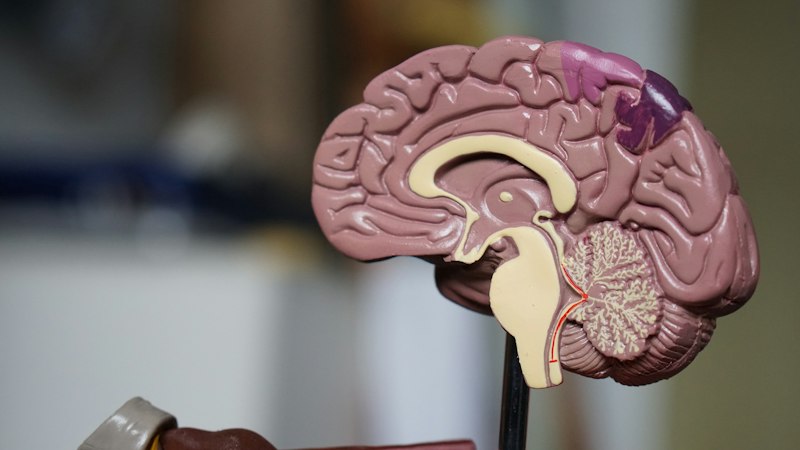

Over 74,000 people watched the 30-day sugar challenge. Plus 36,000 searched how sugar slows the brain. Dr. Anand Karnam explains the science of what excess sugar does to your brain — and what stopping it reverses.
Key Points
- Preventive medicine — regular check-ups, knowing your numbers (BP, sugar, cholesterol) — prevents most common serious diseases.
- The most powerful health interventions remain free: regular exercise, sufficient sleep, healthy diet, and not smoking.
- A family physician who knows your history and monitors trends over years provides irreplaceable continuity of care.
- Mental health is as important as physical health — depression and anxiety significantly affect every chronic disease outcome.
- Health literacy — understanding your conditions, medications, and when to seek help — significantly improves outcomes.
80%
of premature deaths from non-communicable diseases are preventable
Source: WHO
150 min
of moderate exercise per week — reduces all-cause mortality by 30%
Source: WHO
7 years
longer life expectancy for non-smokers vs smokers
Source: WHO
"The patients who live longest and healthiest are not always the ones who see doctors most — they are the ones who understand their own bodies, make consistent healthy choices, and seek help promptly when something changes."
The brain is the most energy-hungry organ in the body — consuming 20% of the body's total glucose despite comprising only 2% of body weight. Glucose is the brain's primary fuel. So far, sugar sounds like brain food. The problem is the amount, the form, and the metabolic consequences of excess refined sugar — which directly impairs the very brain function it is supposed to power.
What Excess Sugar Does to the Brain
Inflammation: High blood sugar triggers systemic inflammation. Inflammatory cytokines cross the blood-brain barrier and impair neurotransmitter function — causing low mood, irritability, and cognitive slowing.
Insulin resistance in the brain: The brain has its own insulin receptors. Chronic high sugar intake causes brain insulin resistance — impairing the brain's ability to use glucose efficiently. The result is cognitive fog, memory difficulties, and reduced processing speed. This mechanism is so well-established that Alzheimer's disease is sometimes called "type 3 diabetes."
BDNF suppression: High sugar chronically suppresses BDNF (brain-derived neurotrophic factor) — the brain's growth hormone that promotes new neuron formation and synaptic plasticity. Low BDNF is associated with depression, anxiety, and cognitive decline.
Dopamine dysregulation: Sugar activates the brain's reward circuits similarly to addictive substances — causing a dopamine spike followed by a crash. This drives sugar cravings, mood instability, and the cycle of energy peaks and troughs that many people experience through the day.
What Happens When You Stop Sugar for 30 Days
The first 3–7 days are often the hardest — sugar withdrawal causes headaches, irritability, fatigue, and intense cravings. This is real and physiological. After this initial phase:
- Days 7–14: Mental clarity improves noticeably — the "brain fog" begins to lift
- Days 14–21: Energy levels stabilise — no more afternoon energy crashes
- Days 21–30: Mood improvement, reduced anxiety, better sleep quality
- Week 4+: Measurable improvement in memory and concentration; reduced cravings; taste buds recalibrate — naturally sweet foods start tasting sweeter
Practical Sugar Reduction for Hyderabad
You do not need to eliminate all sugar — natural sugars in whole fruits and vegetables are not the problem. The target is added/refined sugar: cold drinks, packaged juices, sweets, biscuits, white bread, instant oatmeal, flavoured yoghurt, and restaurant desserts. Start by eliminating cold drinks completely (the single highest-sugar item in most Indian diets), then work through the rest.
Sri Anand CNC, Chanda Nagar, Hyderabad. Metabolic health and brain health consultations: +91 90633 66983.
Dr. Anand Karnam
DrNB Neurology · Sri Anand CNC, Chanda Nagar Hyderabad · Sri Anand Child and Neuro Center
DrNB-qualified Neurologist, Fellow of the World Headache Society (FWHS), and Headache Specialist with 12+ years of experience treating epilepsy, stroke, migraine, and movement disorders. Practices at Sri Anand Child and Neuro Center, Chanda Nagar, Hyderabad.
References & Sources
- 1.Primary Health Care — WHO — World Health Organization
- 2.Health Information — NIH MedlinePlus — NIH MedlinePlus
- 3.Healthy Living — NHS — NHS UK
Health Information Standards
IMA — Indian Medical Association
Content follows IMA ethical guidelines for patient education
WHO — World Health Organization
Treatment information aligned with WHO clinical guidelines
MoHFW — Govt. of India — Ministry of Health
Follows MoHFW National Health Programme protocols
NMC — National Medical Commission
All doctors hold NMC-recognised qualifications (DrNB / MD / MPT)
All health tips and medical content on this website are written by qualified specialist doctors (DrNB / MD / MPT), follow the above guidelines, and are intended for general health education only. This content is original and evidence-based — not a substitute for professional medical advice. Always consult your doctor before making any health decisions.
Concerned about your health?
Talk to our specialist doctors directly — WhatsApp response within minutes during clinic hours.
Follow Sri Anand CNC — Health Education Videos
Dr. Anand Karnam and Dr. Sushma B regularly share health education videos, symptom guides, and wellness tips in Telugu and English — helping families in Hyderabad stay informed and healthy.
YouTube · Sri Anand Child and Neuro Center
Health education videos — neurological conditions, child health tips, physiotherapy exercises
Instagram · @srianandchildandneurocenter
Daily health tips, doctor reels, patient education in Telugu & English
Facebook · srianandchildandneurocenter
Latest health news, appointment reminders, and awareness posts
WhatsApp Channel · Sri Anand Health Tips
Subscribe for weekly health alerts, vaccine reminders, and neurological wellness tips