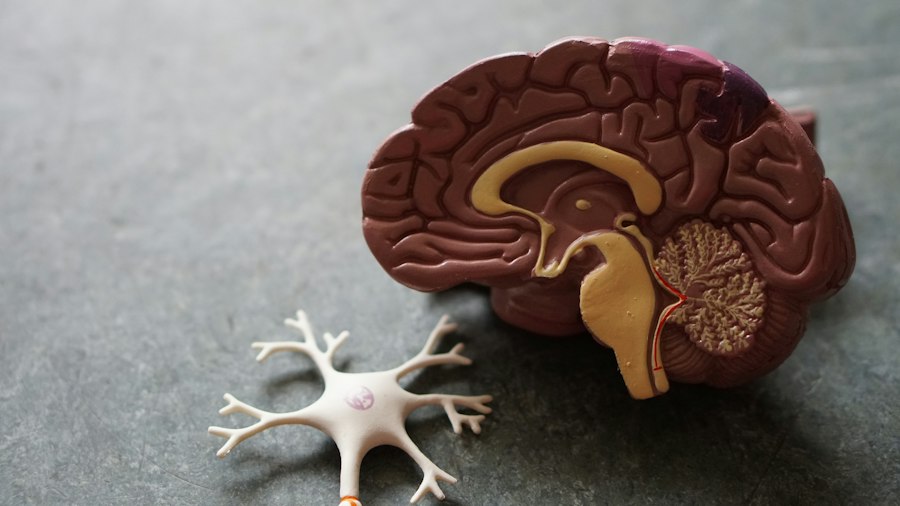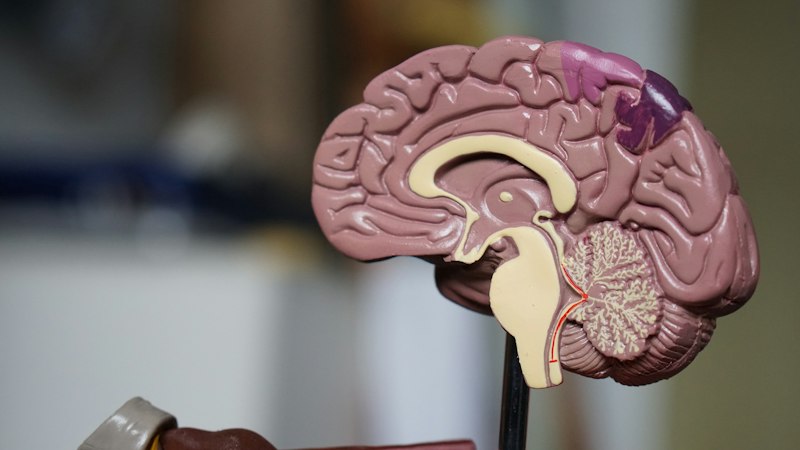
Migraine is one of the most disabling conditions in the world — and one of the most undertreated in India. If painkillers are the only thing you're using, there's a better way.
Key Points
- Migraine has two treatment arms: acute (stopping an attack) and preventive (reducing frequency).
- Triptans are the most effective acute treatment — they should be taken early in the attack for best effect.
- Preventive medication is recommended if attacks occur ≥4 times/month or significantly impair daily life.
- Botox injections are approved for chronic migraine (≥15 headache days/month) unresponsive to tablets.
- Lifestyle factors — regular sleep, hydration, meals, and stress management — are as important as medication.
1 in 7
people globally have migraine
Source: WHO
50%
reduction in attacks with effective preventive therapy
Source: AAN
15 days
monthly headache threshold for chronic migraine diagnosis
Source: ICHD-3
"Migraine is undertreated globally. Many patients live with debilitating attacks that could be prevented. If you're taking painkillers more than 10 days a month for headache, you need a prevention strategy."
Migraine affects over 150 million people in India, making it one of the country's most prevalent neurological disorders. Yet most sufferers never receive proper treatment. They take a painkiller, lie down in a dark room, and hope for the best. There is significantly better treatment available.
What Migraine Actually Is
Migraine is not just a bad headache. It is a neurological condition involving abnormal brain activity — changes in brain chemicals and electrical signals that cause a cascade of symptoms. The headache is just one part of a migraine attack.
A typical migraine attack goes through phases:
- Prodrome (hours to a day before): Mood changes, food cravings, neck stiffness, yawning
- Aura (in some people): Visual disturbances — zigzag lines, blind spots, flashes of light — or tingling on one side of the face or hand, lasting 20–60 minutes
- Headache phase: Throbbing pain, usually on one side, moderate to severe, worsened by movement. Often accompanied by nausea, vomiting, and extreme sensitivity to light and sound
- Postdrome: Exhaustion and mental fog for 24–48 hours after the headache passes
When Is It More Than "Just Migraine"?
See a neurologist urgently — not just a GP — if your headache:
- Is the worst headache you've ever had, and came on suddenly
- Is associated with fever and neck stiffness
- Comes with weakness, vision loss, or speech difficulty
- Started after a head injury
- Is progressively getting worse over weeks
Treatment: Two Categories
1. Acute (Rescue) Treatment — for stopping an attack in progress
Triptans (such as sumatriptan, rizatriptan) are the most effective acute migraine treatments. They work by targeting the specific pathways activated during a migraine. They work much better than standard painkillers like paracetamol or aspirin, which are often ineffective for migraine.
Take acute medication early — at the very start of the attack, not after the pain has escalated. The later you take it, the less effective it becomes.
2. Preventive Treatment — for reducing how often attacks happen
If you have 4 or more migraine days per month, or if attacks are severely disabling, preventive treatment is recommended. Options include:
- Beta-blockers (propranolol, metoprolol)
- Amitriptyline
- Topiramate or valproate
- Newer CGRP-targeted therapies (for difficult cases)
Preventive treatment typically reduces migraine frequency by 50% or more within 2–3 months.
The Medication Overuse Trap
This is one of the most common problems I see in practice. If you take pain relief medication (including OTC painkillers and triptans) on more than 10–15 days per month, you can develop medication overuse headache — the medication itself starts causing daily headaches. The treatment requires carefully supervised withdrawal, which is difficult to do alone.
Lifestyle Triggers to Identify
Common migraine triggers include: disrupted sleep, skipping meals, dehydration, strong smells, bright light, stress, and (in some people) certain foods. Keeping a headache diary for 6–8 weeks can identify your personal triggers.
"Most migraine patients I see have been suffering for years using only OTC painkillers. The right treatment reduces attack frequency dramatically — often from 12 days a month to 2–3. That's a profound change in quality of life."
Dr. Anand Karnam provides headache and migraine specialist consultations at Sri Anand Child and Neuro Center, Chanda Nagar, Hyderabad. Serving Ameenpur, Miyapur, Lingampally, and all of western Hyderabad. Call +91 90633 66983.
Medically reviewed by Dr. Anand Karnam, MBBS · DNB · DrNB · FWHS. Follows IHS ICHD-3 migraine classification and IAN headache management guidelines.
Dr. Anand Karnam
Consultant Neurologist & Headache Specialist · Sri Anand Child and Neuro Center
DrNB-qualified Neurologist, Fellow of the World Headache Society (FWHS), and Headache Specialist with 12+ years of experience treating epilepsy, stroke, migraine, and movement disorders. Practices at Sri Anand Child and Neuro Center, Chanda Nagar, Hyderabad.
Medically Reviewed
This article follows IHS (International Headache Society) ICHD-3 Classification, IAN Migraine Guidelines and is written by a qualified specialist at Sri Anand Child and Neuro Center. It is intended for general health information only — not a substitute for professional medical advice.
References & Sources
- 1.AHS/AAN Guideline for Prevention of Episodic Migraine in Adults — American Academy of Neurology
- 2.ICHD-3 Diagnostic Criteria for Migraine — International Headache Society
- 3.Migraine in India — A Meta-Analysis — Current Pain and Headache Reports
Health Information Standards
IMA — Indian Medical Association
Content follows IMA ethical guidelines for patient education
WHO — World Health Organization
Treatment information aligned with WHO clinical guidelines
MoHFW — Govt. of India — Ministry of Health
Follows MoHFW National Health Programme protocols
NMC — National Medical Commission
All doctors hold NMC-recognised qualifications (DrNB / MD / MPT)
All health tips and medical content on this website are written by qualified specialist doctors (DrNB / MD / MPT), follow the above guidelines, and are intended for general health education only. This content is original and evidence-based — not a substitute for professional medical advice. Always consult your doctor before making any health decisions.
Concerned about your health?
Talk to our specialist doctors directly — WhatsApp response within minutes during clinic hours.
Follow Sri Anand CNC — Health Education Videos
Dr. Anand Karnam and Dr. Sushma B regularly share health education videos, symptom guides, and wellness tips in Telugu and English — helping families in Hyderabad stay informed and healthy.
YouTube · Sri Anand Child and Neuro Center
Health education videos — neurological conditions, child health tips, physiotherapy exercises
Instagram · @srianandchildandneurocenter
Daily health tips, doctor reels, patient education in Telugu & English
Facebook · srianandchildandneurocenter
Latest health news, appointment reminders, and awareness posts
WhatsApp Channel · Sri Anand Health Tips
Subscribe for weekly health alerts, vaccine reminders, and neurological wellness tips