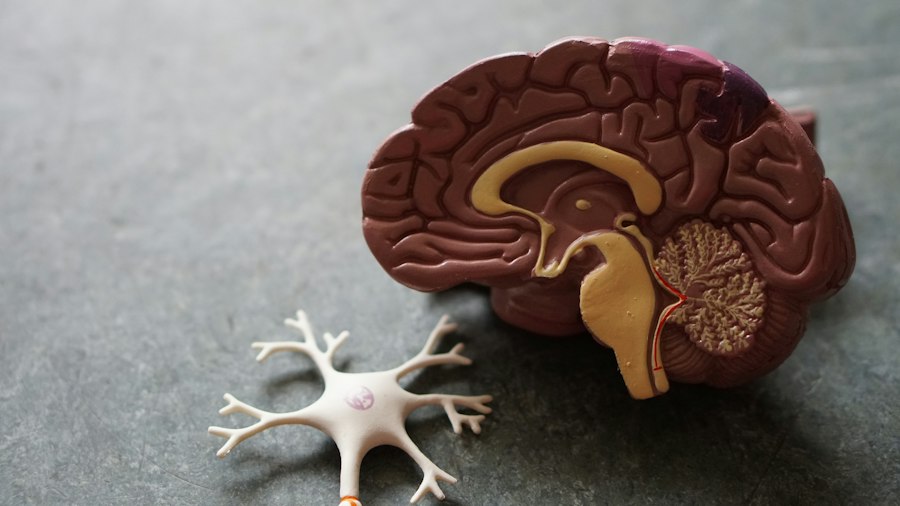

One-off visit or regular follow-up? The frequency of neurology consultations depends entirely on your condition. Dr. Anand Karnam explains who needs regular monitoring and when you can be discharged.
Key Points
- Neurological symptoms often have identifiable, treatable causes — early evaluation changes outcomes.
- A detailed history and clinical examination by a neurologist is the most valuable diagnostic tool.
- Modern neuroimaging (MRI) and electrophysiology (EEG, NCS) enable precise diagnosis without invasive procedures.
- Most neurological conditions respond to treatment — complete cure or significant improvement is achievable for many.
- Preventive neurology — managing blood pressure, exercise, sleep, and diet — protects brain health for decades.
1 in 3
people will have a significant neurological condition in their lifetime
Source: WHO
80%
of strokes are preventable with lifestyle and medical management
Source: WHO
70%
of epilepsy patients achieve seizure freedom with the right medication
Source: WHO
"Every neurological symptom tells a story about the brain or nervous system. My job is to listen carefully, examine thoroughly, and use targeted investigations to decode that story — then find the most effective treatment."
A common question from patients is: "How often do I need to come back?" The answer depends entirely on the neurological condition, its severity, and how well it is being controlled. Here is a guide to follow-up frequency for common conditions.
When Is a Single Neurology Consultation Enough?
Some neurological presentations require only one consultation — to confirm the diagnosis, provide treatment or reassurance, and discharge:
- Single uncomplicated tension headache: Diagnosis confirmed, lifestyle advice, no follow-up needed unless it recurs or changes character
- Benign positional vertigo (BPPV): Treated with Epley manoeuvre — single session often sufficient
- Carpal tunnel syndrome (mild): Diagnosis confirmed with NCS, management plan given — review only if not improving
- Post-viral fatigue: Neurological cause excluded — reassurance and management plan
Conditions Requiring 3-Monthly Follow-Up
- Epilepsy: Every 3 months while adjusting medication; every 6 months once stable and seizure-free
- Parkinson's disease: Every 3 months — medication is frequently adjusted as the disease progresses
- Migraine (frequent): 3-monthly review to assess preventive medication efficacy and adjust dose
- Multiple sclerosis: Every 3–6 months — monitoring for relapses and treatment response
- Myasthenia Gravis: Every 3 months while on immunosuppression
Conditions Requiring 6-Monthly or Annual Follow-Up
- Epilepsy — seizure-free for 2+ years: Every 6–12 months; discuss whether medication can be tapered
- Stable neuropathy: Annual review of progression and foot care
- Post-stroke: Annual review for secondary prevention, cognitive assessment
- Dementia: Every 6 months — cognitive testing, medication review, caregiver support
Warning Signs That Require an Unscheduled Visit
Regardless of your scheduled follow-up, see Dr. Anand Karnam urgently if you experience:
- A new or breakthrough seizure if you have epilepsy
- Sudden worsening of Parkinson's symptoms
- A new neurological symptom (sudden weakness, speech problem, vision change)
- A relapse if you have MS
- Increasing difficulty breathing or swallowing if you have MG
- A fall or significant cognitive decline in a patient with dementia
What Happens at a Neurology Follow-Up?
At Sri Anand CNC, follow-up appointments include:
- Review of symptoms since last visit
- Medication review — efficacy, side effects, dose adjustment
- Neurological examination — to detect any progression
- Review of any new test results (MRI, blood tests, EEG)
- Discussion of lifestyle, work, driving (where relevant)
- Plan for next follow-up interval
Follow-up consultations typically take 15–20 minutes. The fee is ₹500–700 for follow-up.
Can I Do Follow-Ups by Phone or Video?
For stable conditions with no new symptoms, telephone or video follow-up is appropriate for: medication refill reviews, discussing test results, and routine monitoring. Call 90633 66983 to discuss whether your follow-up can be done remotely.
Sri Anand Child and Neuro Center · Chanda Nagar, Hyderabad · +91 90633 66983
Dr. Anand Karnam
DrNB Neurology · Sri Anand CNC, Chanda Nagar · Sri Anand Child and Neuro Center
DrNB-qualified Neurologist, Fellow of the World Headache Society (FWHS), and Headache Specialist with 12+ years of experience treating epilepsy, stroke, migraine, and movement disorders. Practices at Sri Anand Child and Neuro Center, Chanda Nagar, Hyderabad.
References & Sources
- 1.Neurological Disorders — WHO — World Health Organization
- 2.Neurology — NIH MedlinePlus — NIH MedlinePlus
- 3.AAN Clinical Practice Guidelines — American Academy of Neurology
Health Information Standards
IMA — Indian Medical Association
Content follows IMA ethical guidelines for patient education
WHO — World Health Organization
Treatment information aligned with WHO clinical guidelines
MoHFW — Govt. of India — Ministry of Health
Follows MoHFW National Health Programme protocols
NMC — National Medical Commission
All doctors hold NMC-recognised qualifications (DrNB / MD / MPT)
All health tips and medical content on this website are written by qualified specialist doctors (DrNB / MD / MPT), follow the above guidelines, and are intended for general health education only. This content is original and evidence-based — not a substitute for professional medical advice. Always consult your doctor before making any health decisions.
Concerned about your health?
Talk to our specialist doctors directly — WhatsApp response within minutes during clinic hours.
Follow Sri Anand CNC — Health Education Videos
Dr. Anand Karnam and Dr. Sushma B regularly share health education videos, symptom guides, and wellness tips in Telugu and English — helping families in Hyderabad stay informed and healthy.
YouTube · Sri Anand Child and Neuro Center
Health education videos — neurological conditions, child health tips, physiotherapy exercises
Instagram · @srianandchildandneurocenter
Daily health tips, doctor reels, patient education in Telugu & English
Facebook · srianandchildandneurocenter
Latest health news, appointment reminders, and awareness posts
WhatsApp Channel · Sri Anand Health Tips
Subscribe for weekly health alerts, vaccine reminders, and neurological wellness tips