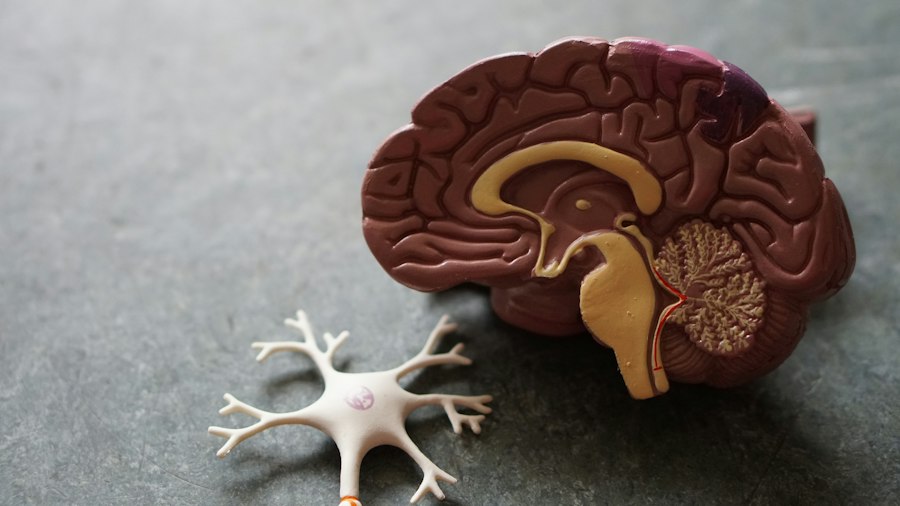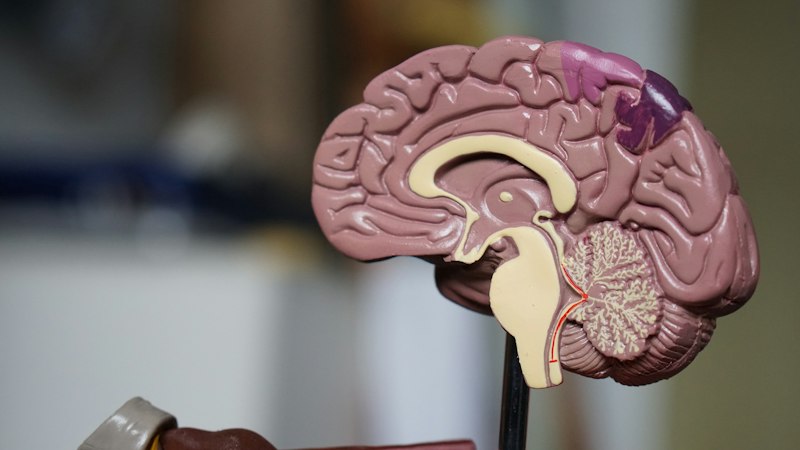
Parkinson's disease is not just tremors. Understanding the full picture — from early signs to advanced care — helps patients and families manage it much better.
Key Points
- Parkinson's disease is caused by loss of dopamine-producing cells in the brain's substantia nigra.
- The four cardinal features are: tremor at rest, rigidity, slowness (bradykinesia), and balance problems.
- Non-motor symptoms — sleep disturbance, constipation, reduced sense of smell — often appear 10+ years before motor signs.
- Levodopa remains the most effective medication after 60 years — it works better when taken consistently.
- Exercise — especially walking, tai chi, and cycling — significantly slows disease progression.
10M
people worldwide have Parkinson's disease
Source: WHO
60+
average age at diagnosis; early-onset Parkinson's affects under-50s
Source: NCBI
33%
slower progression with regular aerobic exercise in Parkinson's
Source: Cochrane
"Parkinson's is not just a tremor disease. Half my patients' biggest problems are non-motor — depression, sleep disturbance, constipation. Treating the whole patient, not just the shaking, is what improves quality of life."
When most people think of Parkinson's disease, they picture a hand tremor. But Parkinson's is much more than that — and understanding it fully helps patients and families plan better, recognise early signs, and get the right treatment at the right time.
What Is Parkinson's Disease?
Parkinson's disease is a progressive neurological condition caused by the gradual loss of dopamine-producing cells in a part of the brain called the substantia nigra. Dopamine is essential for smooth, coordinated movement. As dopamine levels fall, movement becomes slower and harder to control.
Parkinson's typically starts after age 60, though about 10% of cases are "young-onset" Parkinson's, occurring before 50. It affects men slightly more often than women.
The Classic Four Signs (TRAP)
- T – Tremor: Usually starts in one hand when it is at rest ("pill-rolling" tremor). This is often the first sign noticed. It can also affect the jaw, chin, or legs.
- R – Rigidity: Muscles feel stiff and resist movement. Can cause shoulder or neck pain, and a lack of arm swing while walking.
- A – Akinesia/Bradykinesia: Slowness of movement. Getting up from a chair, buttoning clothes, or writing becomes slow and effortful.
- P – Postural Instability: Poor balance, tendency to fall forward. Usually a later feature.
Non-Movement Symptoms (Often Appear Before Tremor)
Many people do not know that Parkinson's causes problems beyond movement — and these "non-motor" symptoms often appear years before the tremor:
- Loss of smell (anosmia)
- Constipation and slow digestion
- REM sleep behaviour disorder (acting out dreams, punching or shouting in sleep)
- Mood changes — depression and anxiety are very common
- Low blood pressure on standing (causing dizziness or fainting)
- Reduced voice volume, monotone speech
- Small handwriting (micrographia)
- In later stages: cognitive changes and dementia in some patients
How Is Parkinson's Diagnosed?
There is no single test to confirm Parkinson's. Diagnosis is clinical — based on history and neurological examination by a specialist. Brain MRI or DaTSCAN (a specialist brain imaging scan) can help confirm the diagnosis in uncertain cases.
Treatment Options
Parkinson's cannot currently be cured, but it can be managed very effectively — especially in the early to middle stages:
- Levodopa (L-Dopa): The most effective medication, replaces missing dopamine. Works best for motor symptoms.
- Dopamine agonists, MAO-B inhibitors: Used alone or alongside levodopa, especially in early or young-onset Parkinson's.
- Physiotherapy: Crucial for maintaining balance, gait, and preventing falls.
- Speech therapy: Helps with soft voice and swallowing difficulties.
- Deep Brain Stimulation (DBS): A surgical option for carefully selected patients with advanced Parkinson's not adequately controlled on medication.
Parkinson's Awareness Video in Telugu
This educational video introduces Parkinson's symptoms and the value of a clinical movement-disorder assessment. Online education cannot confirm a diagnosis.
"A diagnosis of Parkinson's is not the end of a good life — many patients live for 20 years or more with excellent quality of life with the right medical management and therapy. The earlier treatment starts, the better."
Dr. Anand Karnam provides movement disorder and Parkinson's disease consultations at Sri Anand Child and Neuro Center, Chanda Nagar, Hyderabad. Serving all of western Hyderabad. Call +91 90633 66983.
Medically reviewed by Dr. Anand Karnam, MBBS · DNB · DrNB · FWHS. Follows Movement Disorder Society guidelines.
Dr. Anand Karnam
Consultant Neurologist & Headache Specialist · Sri Anand Child and Neuro Center
DrNB-qualified Neurologist, Fellow of the World Headache Society (FWHS), and Headache Specialist with 12+ years of experience treating epilepsy, stroke, migraine, and movement disorders. Practices at Sri Anand Child and Neuro Center, Chanda Nagar, Hyderabad.
Medically Reviewed
This article follows Movement Disorder Society of India (MDSI) Guidelines and is written by a qualified specialist at Sri Anand Child and Neuro Center. It is intended for general health information only — not a substitute for professional medical advice.
References & Sources
- 1.Parkinson Disease — WHO Fact Sheet — World Health Organization
- 2.Parkinson's Disease — NCBI StatPearls — NCBI StatPearls
- 3.Parkinson's Disease — NHS — NHS UK
- 4.Parkinson's Disease — NIH MedlinePlus — NIH MedlinePlus
Health Information Standards
IMA — Indian Medical Association
Content follows IMA ethical guidelines for patient education
WHO — World Health Organization
Treatment information aligned with WHO clinical guidelines
MoHFW — Govt. of India — Ministry of Health
Follows MoHFW National Health Programme protocols
NMC — National Medical Commission
All doctors hold NMC-recognised qualifications (DrNB / MD / MPT)
All health tips and medical content on this website are written by qualified specialist doctors (DrNB / MD / MPT), follow the above guidelines, and are intended for general health education only. This content is original and evidence-based — not a substitute for professional medical advice. Always consult your doctor before making any health decisions.
Concerned about your health?
Talk to our specialist doctors directly — WhatsApp response within minutes during clinic hours.
Follow Sri Anand CNC — Health Education Videos
Dr. Anand Karnam and Dr. Sushma B regularly share health education videos, symptom guides, and wellness tips in Telugu and English — helping families in Hyderabad stay informed and healthy.
YouTube · Sri Anand Child and Neuro Center
Health education videos — neurological conditions, child health tips, physiotherapy exercises
Instagram · @srianandchildandneurocenter
Daily health tips, doctor reels, patient education in Telugu & English
Facebook · srianandchildandneurocenter
Latest health news, appointment reminders, and awareness posts
WhatsApp Channel · Sri Anand Health Tips
Subscribe for weekly health alerts, vaccine reminders, and neurological wellness tips