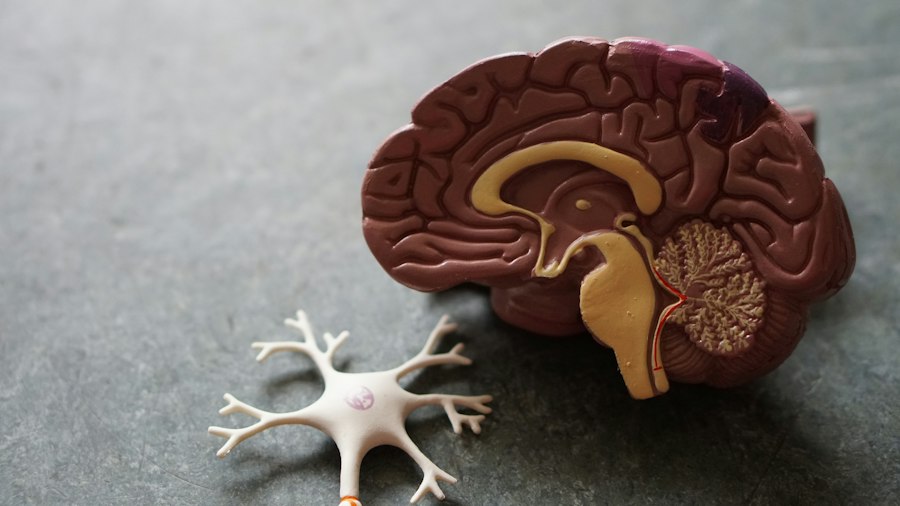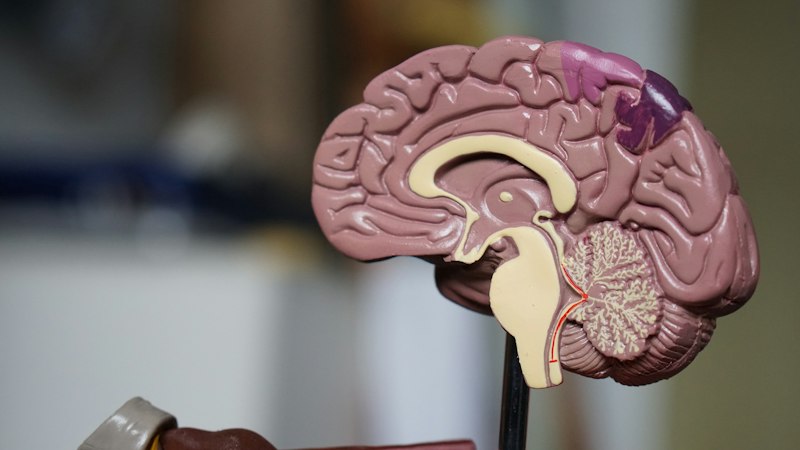

Encephalitis — inflammation of the brain itself — is a medical emergency presenting with fever, confusion, and seizures. Dr. Anand Karnam explains the causes, the diagnostic approach, and why early treatment is critical.
Key Points
- Encephalitis is brain inflammation — presenting with fever, altered consciousness, seizures, and behavioural change.
- Causes: viral (herpes simplex is the most important), autoimmune (anti-NMDA, anti-LGI1), and bacterial.
- Herpes simplex encephalitis is rapidly fatal without IV acyclovir — start treatment on clinical suspicion, before confirmation.
- MRI shows temporal lobe changes in HSV encephalitis — characteristic and early.
- CSF analysis (lumbar puncture) and antibody testing are essential to identify the causative agent.
70%
mortality rate of untreated herpes simplex encephalitis
Source: NCBI
10–20%
mortality rate with prompt IV acyclovir treatment
Source: NHS
50%
of encephalitis cases remain aetiologically unexplained even with full investigation
Source: Lancet Neurology
"Herpes encephalitis is the diagnosis where I start treatment before results return — because by the time the PCR comes back, delay has already caused irreversible damage. Acyclovir is safe; untreated herpes encephalitis has 70% mortality."
Encephalitis — inflammation of the brain parenchyma itself — must be distinguished from meningitis (inflammation of the brain's outer coverings). The distinction matters because encephalitis involves the brain tissue directly, producing neurological dysfunction — confusion, abnormal behaviour, seizures, focal deficits — in addition to fever. Encephalitis is rarer than meningitis but more dangerous, with significant mortality and morbidity even with treatment.
Causes
Viral encephalitis: The most common cause. Herpes simplex virus (HSV) encephalitis is the most important to recognise — it specifically targets the temporal lobes (producing personality change, memory disturbance, and temporal lobe seizures) and is treatable with IV acyclovir. Without treatment, HSV encephalitis has 70% mortality; with treatment, most patients survive. Other viruses: Japanese encephalitis (JE — a mosquito-borne flavivirus prevalent in rural India, vaccine-preventable); rabies (invariably fatal once symptomatic); enterovirus; EBV; CMV; dengue (rare neurological complication).
Autoimmune encephalitis: Increasingly recognised — the immune system attacks brain proteins. Anti-NMDA receptor encephalitis is the most common type (see separate article). Presents with psychiatric features, movement disorders, seizures, and autonomic instability. Responds to immunotherapy.
Post-infectious encephalitis (ADEM): Immune-mediated demyelination following viral infection or vaccination (see ADEM article).
Presentation
Fever + headache + altered consciousness or confusion — this triad should prompt immediate evaluation for CNS infection. Additional features: seizures (focal or generalised); personality change or bizarre behaviour; speech difficulty; focal neurological deficits.
Investigation and Treatment
Urgent CT brain (to exclude mass lesion before LP); lumbar puncture for CSF analysis and viral PCR; MRI brain with gadolinium (HSV encephalitis shows characteristic temporal lobe signal changes). Start IV acyclovir immediately if HSV encephalitis is suspected — do not wait for results. For fever with confusion: Sri Anand CNC, Chanda Nagar, Hyderabad. Call +91 90633 66983.
Dr. Anand Karnam
DrNB Neurology · Sri Anand CNC, Chanda Nagar Hyderabad · Sri Anand Child and Neuro Center
DrNB-qualified Neurologist, Fellow of the World Headache Society (FWHS), and Headache Specialist with 12+ years of experience treating epilepsy, stroke, migraine, and movement disorders. Practices at Sri Anand Child and Neuro Center, Chanda Nagar, Hyderabad.
References & Sources
- 1.Encephalitis — NCBI StatPearls — NCBI StatPearls
- 2.Encephalitis — NHS — NHS UK
- 3.Encephalitis — NIH MedlinePlus — NIH MedlinePlus
Health Information Standards
IMA — Indian Medical Association
Content follows IMA ethical guidelines for patient education
WHO — World Health Organization
Treatment information aligned with WHO clinical guidelines
MoHFW — Govt. of India — Ministry of Health
Follows MoHFW National Health Programme protocols
NMC — National Medical Commission
All doctors hold NMC-recognised qualifications (DrNB / MD / MPT)
All health tips and medical content on this website are written by qualified specialist doctors (DrNB / MD / MPT), follow the above guidelines, and are intended for general health education only. This content is original and evidence-based — not a substitute for professional medical advice. Always consult your doctor before making any health decisions.
Concerned about your health?
Talk to our specialist doctors directly — WhatsApp response within minutes during clinic hours.
Follow Sri Anand CNC — Health Education Videos
Dr. Anand Karnam and Dr. Sushma B regularly share health education videos, symptom guides, and wellness tips in Telugu and English — helping families in Hyderabad stay informed and healthy.
YouTube · Sri Anand Child and Neuro Center
Health education videos — neurological conditions, child health tips, physiotherapy exercises
Instagram · @srianandchildandneurocenter
Daily health tips, doctor reels, patient education in Telugu & English
Facebook · srianandchildandneurocenter
Latest health news, appointment reminders, and awareness posts
WhatsApp Channel · Sri Anand Health Tips
Subscribe for weekly health alerts, vaccine reminders, and neurological wellness tips