
Over 42,000 people asked these two questions. How much walking do you actually need for brain and body health? And is morning or evening better? Dr. Anand Karnam gives evidence-based answers.
Key Points
- 15 minutes of walking daily is significantly better than no exercise but does not meet the evidence-based target for optimal health.
- The recommended target is 150 minutes of moderate-intensity aerobic activity per week — 30 minutes of brisk walking, 5 days a week.
- 30–45 minutes of brisk walking 5 days a week increases hippocampal volume and BDNF levels, reducing dementia risk.
- Morning walking sets the circadian rhythm via natural light exposure and has a greater fat-burning effect in the fasted state.
- Evening walking benefits physical performance and blood sugar management; avoid vigorous intensity within 2 hours of bedtime.
150 min
weekly moderate aerobic activity recommended for optimal health
Source: WHO Global Guidelines on Physical Activity
40%
reduction in dementia risk with regular brisk walking 5 days/week
Source: Lancet Commission on Dementia Prevention
8%
mortality reduction for every additional 1000 steps per day walked
Source: JAMA Internal Medicine 2023
"As a neurologist recommending walking to patients every single day, the most important message is consistency over timing. The best walk is the one you actually do. But if you want brain health benefits — not just cardiovascular — you need brisk walking, not gentle strolling, for at least 30 minutes."
Is 15 Minutes of Walking Enough?
Short answer: 15 minutes of brisk walking is significantly better than nothing — and research confirms measurable cardiovascular and brain benefits. But 15 minutes per day does not meet the evidence-based recommendation for optimal health outcomes.
The research-supported targets: 150 minutes of moderate-intensity aerobic activity per week (30 minutes × 5 days), or 75 minutes of vigorous-intensity activity. For maximum brain health benefit, studies suggest 30–45 minutes of brisk walking 5 days a week is the sweet spot — increasing hippocampal volume, BDNF levels, and significantly reducing dementia risk.
However, for sedentary individuals, starting with 15 minutes daily and building gradually is entirely appropriate. Any increase from zero is beneficial. The dose-response relationship is steep at the low end — going from no exercise to even 15–20 minutes daily produces dramatic health improvements.
Morning Walk vs Evening Walk
Both are beneficial. The evidence does not strongly favour one over the other — the best time is the time you will actually do it consistently. That said, there are some practical differences:
Morning walking advantages:
- Natural light exposure sets the circadian rhythm — improving sleep quality at night
- Exercise before breakfast has a greater fat-burning effect (fasted state)
- Sets a positive tone for the day — cortisol is naturally highest in the morning, and exercise channels this productively
- More likely to be completed (fewer competing commitments)
Evening walking advantages:
- Body temperature and muscle performance peak in late afternoon — lower injury risk and better physical performance
- Helps unwind after a stressful workday — stress hormone clearance
- Blood sugar management after dinner
- Better for people who struggle to wake early
Avoid vigorous exercise within 2 hours of bedtime — it raises core temperature and delays sleep onset. A gentle evening walk (not vigorous) is fine.
Walking for Brain Health Specifically
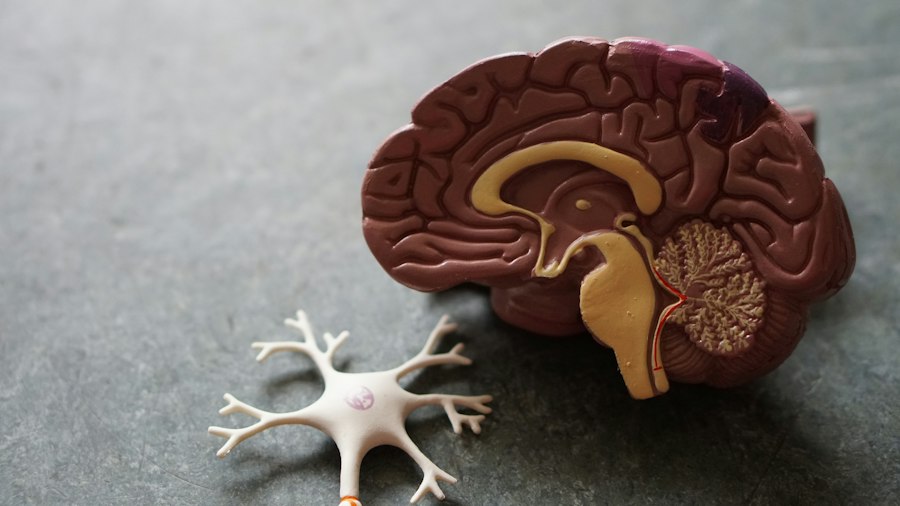
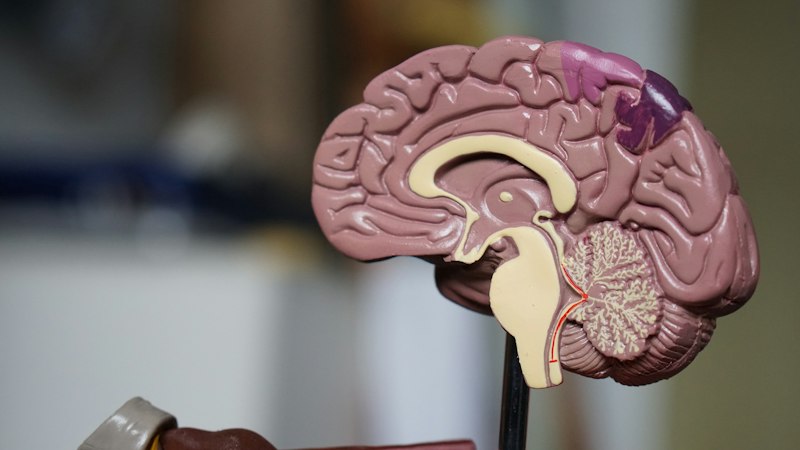
For neurological benefit, brisk walking — fast enough to make conversation slightly effortful, not casual strolling — is key. This activates BDNF production, improves cerebral blood flow, and reduces amyloid deposition. Walk with purpose, not just movement.
Sri Anand CNC, Chanda Nagar, Hyderabad. Lifestyle medicine and brain health consultations. Call +91 90633 66983.
Dr. Anand Karnam
DrNB Neurology · Sri Anand CNC, Chanda Nagar Hyderabad · Sri Anand Child and Neuro Center
DrNB-qualified Neurologist, Fellow of the World Headache Society (FWHS), and Headache Specialist with 12+ years of experience treating epilepsy, stroke, migraine, and movement disorders. Practices at Sri Anand Child and Neuro Center, Chanda Nagar, Hyderabad.
References & Sources
- 1.Primary Health Care — WHO — World Health Organization
- 2.Health Information — NIH MedlinePlus — NIH MedlinePlus
- 3.Healthy Living — NHS — NHS UK
Health Information Standards
IMA — Indian Medical Association
Content follows IMA ethical guidelines for patient education
WHO — World Health Organization
Treatment information aligned with WHO clinical guidelines
MoHFW — Govt. of India — Ministry of Health
Follows MoHFW National Health Programme protocols
NMC — National Medical Commission
All doctors hold NMC-recognised qualifications (DrNB / MD / MPT)
All health tips and medical content on this website are written by qualified specialist doctors (DrNB / MD / MPT), follow the above guidelines, and are intended for general health education only. This content is original and evidence-based — not a substitute for professional medical advice. Always consult your doctor before making any health decisions.
Concerned about your health?
Talk to our specialist doctors directly — WhatsApp response within minutes during clinic hours.
Follow Sri Anand CNC — Health Education Videos
Dr. Anand Karnam and Dr. Sushma B regularly share health education videos, symptom guides, and wellness tips in Telugu and English — helping families in Hyderabad stay informed and healthy.
YouTube · Sri Anand Child and Neuro Center
Health education videos — neurological conditions, child health tips, physiotherapy exercises
Instagram · @srianandchildandneurocenter
Daily health tips, doctor reels, patient education in Telugu & English
Facebook · srianandchildandneurocenter
Latest health news, appointment reminders, and awareness posts
WhatsApp Channel · Sri Anand Health Tips
Subscribe for weekly health alerts, vaccine reminders, and neurological wellness tips