
Heat exhaustion is serious — heat stroke is fatal. In Hyderabad's summers reaching 44°C, both are common. Dr. Anand Karnam explains the warning signs, first aid, and when it becomes a brain emergency.
Key Points
- Heat exhaustion: heavy sweating, weakness, cold/pale/clammy skin, nausea, fast/weak pulse — move to cool area, hydrate.
- Heat stroke: high body temperature (>40°C), hot/red/dry skin, rapid strong pulse, confusion — EMERGENCY, call 108.
- The critical difference: confusion, altered consciousness, or seizure = heat stroke = immediate cooling required.
- Immerse in cold water or apply ice packs to neck, armpits, and groin — the fastest cooling methods.
- Never leave anyone alone with suspected heat stroke — organ damage progresses rapidly.
40°C
core body temperature threshold for heat stroke diagnosis
Source: NCBI
10–50%
mortality rate for heat stroke without rapid cooling treatment
Source: WHO
3°C
body temperature reduction achieved in 30 minutes with cold water immersion
Source: NCBI
"Heat stroke kills because it is mistaken for heat exhaustion. The turning point is confusion — a person with heat exhaustion is sweating and miserable but coherent. A person with heat stroke is hot, dry, and confused. That patient needs ice water and an ambulance, not rest and water."
Every summer, Hyderabad's temperatures exceed 40–44°C, and heat-related illness sends hundreds to hospital. The spectrum ranges from heat cramps (muscle spasms from salt loss) and heat exhaustion (fluid and salt depletion) to heat stroke — a life-threatening neurological emergency with core body temperature above 40°C and brain dysfunction. Knowing the difference and knowing what to do can determine survival.
Heat Exhaustion — Warning Stage
Heat exhaustion is the body's decompensating response to heat and fluid loss — but the brain is still functioning. Features: heavy sweating; cool, pale, moist skin; fast, weak pulse; nausea or vomiting; muscle cramps; tiredness and weakness; dizziness; headache; fainting. Core temperature is elevated but below 40°C. The person is awake and mentally appropriate.
First aid for heat exhaustion: Move to cool, shaded or air-conditioned environment immediately. Lie down with legs raised slightly. Remove excess clothing. Cool the body: wet cloths on the neck, armpits, and groin; fan; cool water to drink if conscious and not vomiting. ORS solution or sports drink — replacing both water and electrolytes. Monitor closely. Most people recover within 30 minutes of cooling.
Heat Stroke — Neurological Emergency
Heat stroke occurs when core body temperature exceeds 40°C AND the brain is affected. It is a multi-organ emergency with mortality of 10–50% even with treatment. Two types:
Classic heat stroke: Occurs in vulnerable people during sustained heat (elderly, infants, those with chronic illness or on diuretics, psychiatric patients on antipsychotics). Skin is often hot and DRY (sweating mechanism fails). Mental confusion, slurred speech, seizures, or loss of consciousness.
Exertional heat stroke: Occurs in young, fit people during intense physical activity in heat — athletes, outdoor labourers, military recruits. Skin may still be sweating. Sudden mental status change during or after intense exertion in the heat.
Emergency response — call 108: Immediate aggressive cooling is the treatment — every minute of high core temperature causes more brain damage. Ice water immersion (most effective if available). Wet towels on the neck, armpits, groin. Fan vigorously. IV fluids. In hospital: cooling blankets, IV fluids, treatment of complications (rhabdomyolysis, DIC, acute kidney injury, seizures).
Brain Consequences of Heat Stroke
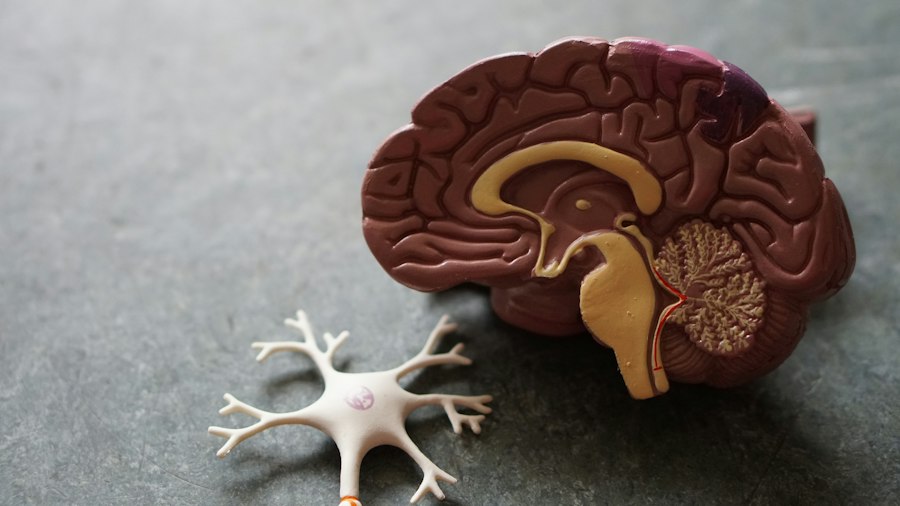
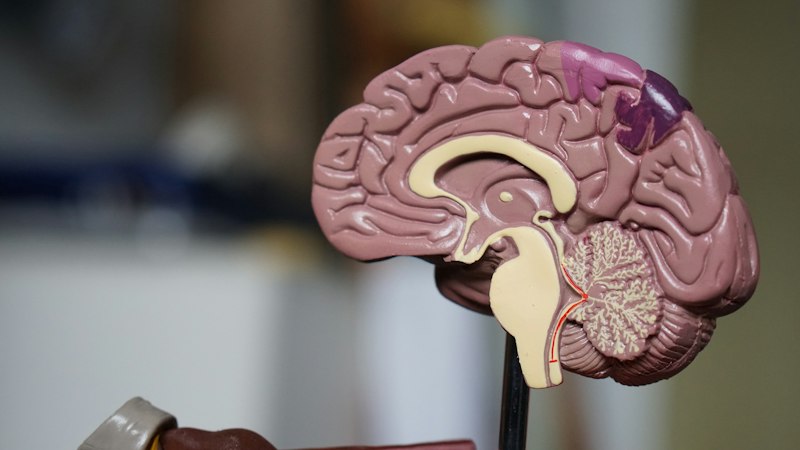
The cerebellum is the brain region most vulnerable to heat damage — surviving heat stroke patients sometimes have permanent cerebellar ataxia (coordination problems and balance difficulty). Early aggressive cooling dramatically reduces permanent neurological injury.
Prevention: stay hydrated (drink before feeling thirsty in the heat); schedule outdoor activity before 8AM or after 6PM; wear loose, light-coloured cotton clothing; never leave children or elderly people in parked cars. For neurological emergencies: Sri Anand CNC, Chanda Nagar, Hyderabad. Call +91 90633 66983.
Dr. Anand Karnam
DrNB Neurology · Sri Anand CNC, Chanda Nagar Hyderabad · Sri Anand Child and Neuro Center
DrNB-qualified Neurologist, Fellow of the World Headache Society (FWHS), and Headache Specialist with 12+ years of experience treating epilepsy, stroke, migraine, and movement disorders. Practices at Sri Anand Child and Neuro Center, Chanda Nagar, Hyderabad.
References & Sources
- 1.Heat Stroke — NCBI StatPearls — NCBI StatPearls
- 2.Climate Change and Heat — WHO — World Health Organization
- 3.Heat Exhaustion and Heatstroke — NHS — NHS UK
Health Information Standards
IMA — Indian Medical Association
Content follows IMA ethical guidelines for patient education
WHO — World Health Organization
Treatment information aligned with WHO clinical guidelines
MoHFW — Govt. of India — Ministry of Health
Follows MoHFW National Health Programme protocols
NMC — National Medical Commission
All doctors hold NMC-recognised qualifications (DrNB / MD / MPT)
All health tips and medical content on this website are written by qualified specialist doctors (DrNB / MD / MPT), follow the above guidelines, and are intended for general health education only. This content is original and evidence-based — not a substitute for professional medical advice. Always consult your doctor before making any health decisions.
Concerned about your health?
Talk to our specialist doctors directly — WhatsApp response within minutes during clinic hours.
Follow Sri Anand CNC — Health Education Videos
Dr. Anand Karnam and Dr. Sushma B regularly share health education videos, symptom guides, and wellness tips in Telugu and English — helping families in Hyderabad stay informed and healthy.
YouTube · Sri Anand Child and Neuro Center
Health education videos — neurological conditions, child health tips, physiotherapy exercises
Instagram · @srianandchildandneurocenter
Daily health tips, doctor reels, patient education in Telugu & English
Facebook · srianandchildandneurocenter
Latest health news, appointment reminders, and awareness posts
WhatsApp Channel · Sri Anand Health Tips
Subscribe for weekly health alerts, vaccine reminders, and neurological wellness tips