
10,000 people watched this uncomfortable truth. Social media algorithms exploit the same dopamine pathways as addictive substances. Dr. Anand Karnam explains what is happening in your brain when you scroll — and how to break the cycle.
Key Points
- Social media algorithms exploit the brain's dopamine reward system using variable-ratio reinforcement — the same mechanism as slot machines.
- Short-video reward cycles are up to 60 times faster than traditional TV, causing the brain to adapt and find slower activities unrewarding.
- Dopamine-driven scrolling causes measurable reduction in attention span and sustained reading ability over time.
- A 30-day digital detox allows the brain to recalibrate dopamine sensitivity and restore engagement with real-world activities.
- Setting a 90-minute phone-free window after waking and 60 minutes before bed is the most evidence-supported behavioural intervention.
2.5B+
daily active users of short-video platforms globally
Source: Meta / TikTok Annual Reports
47 min
average daily time Indian users spend on short-video apps
Source: IAMAI Digital Report 2024
30 days
minimum duration of reduced screen time needed for measurable dopamine recalibration
Source: American Journal of Psychiatry
"As a neurologist I see the same neurobiological fingerprint in social media addiction as I see in substance addiction — craving, tolerance, and withdrawal. The difference is that the slot machine follows you everywhere in your pocket, and society has decided it is normal."
The comparison sounds extreme: is scrolling through Instagram Reels or YouTube Shorts really comparable to alcohol addiction? Neurobiologically, the mechanisms are strikingly similar — and understanding this helps explain why people cannot put their phones down even when they want to.
The Dopamine System
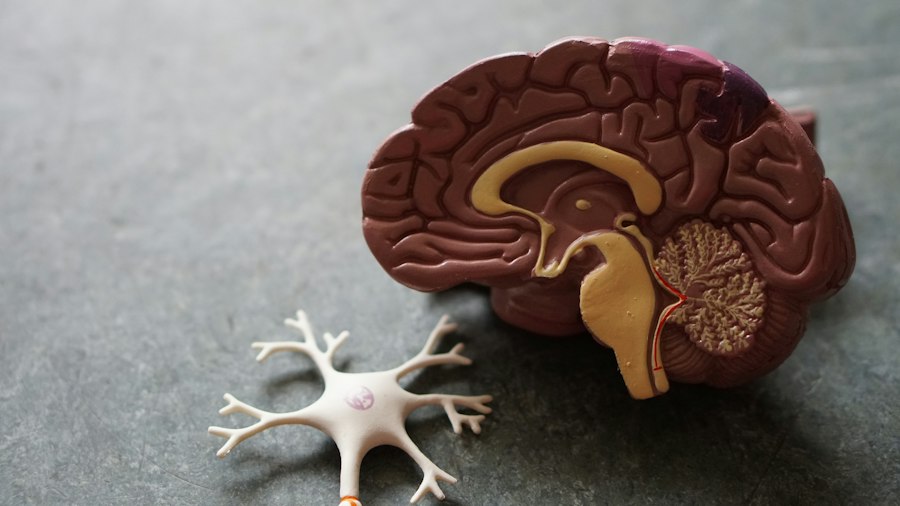
The brain's reward system — primarily the nucleus accumbens and ventral tegmental area — releases dopamine in response to rewarding stimuli. This is the neurochemical signal for "do that again." All addictive substances — alcohol, nicotine, cocaine — flood this system with dopamine, eventually causing tolerance (needing more for the same effect), dependence (feeling terrible without it), and withdrawal.
How Reels Exploit the Same System
Short video algorithms are specifically designed (through machine learning optimisation) to maximise engagement by providing unpredictable, variable rewards — exactly the most addictive reward schedule. The "scroll to see what comes next" uncertainty creates dopamine anticipation. The occasional genuinely interesting or funny video provides the reward. The brain learns: scroll more = potentially rewarding. It is the same mechanism as a slot machine.
The critical difference from older media: the reward cycle is compressed to 15–30 seconds (versus 30 minutes for a TV episode), massively increasing the frequency of the dopamine trigger. The result: the brain adapts to this ultra-high-frequency stimulation — and everything slower (reading, conversations, actual work) becomes neurobiologically unrewarding by comparison.
The Consequences
- Reduced attention span: The brain adapts to 15-second content and loses tolerance for sustained focus
- Reduced reading ability: Sustained reading requires frontal cortex engagement — which atrophies without practice
- Sleep disruption: Dopaminergic stimulation before bed delays sleep onset; blue light suppresses melatonin
- Mood dysregulation: The crash after dopamine stimulation causes irritability and emptiness — driving more scrolling
- Social comparison and anxiety: Curated content creates continuous upward social comparison
Breaking the Cycle — Practical Steps
- Time-restricted phone use: No phone 90 minutes after waking and 60 minutes before bed
- App removal from the home screen: make access effortful
- Greyscale display: removes the visual reward of colourful thumbnails
- Replacing the habit: when you feel the urge to scroll, do 10 deep breaths or 5 minutes of walking
- Dopamine reset: 30 days significantly reduced screen time → brain recalibrates; real-world activities become rewarding again
For screen addiction and cognitive health consultation: Sri Anand CNC, Chanda Nagar, Hyderabad. Call +91 90633 66983.
Dr. Anand Karnam
DrNB Neurology · Sri Anand CNC, Chanda Nagar Hyderabad · Sri Anand Child and Neuro Center
DrNB-qualified Neurologist, Fellow of the World Headache Society (FWHS), and Headache Specialist with 12+ years of experience treating epilepsy, stroke, migraine, and movement disorders. Practices at Sri Anand Child and Neuro Center, Chanda Nagar, Hyderabad.
References & Sources
- 1.Neurological Disorders — WHO — World Health Organization
- 2.Neurology — NIH MedlinePlus — NIH MedlinePlus
- 3.AAN Clinical Practice Guidelines — American Academy of Neurology
Health Information Standards
IMA — Indian Medical Association
Content follows IMA ethical guidelines for patient education
WHO — World Health Organization
Treatment information aligned with WHO clinical guidelines
MoHFW — Govt. of India — Ministry of Health
Follows MoHFW National Health Programme protocols
NMC — National Medical Commission
All doctors hold NMC-recognised qualifications (DrNB / MD / MPT)
All health tips and medical content on this website are written by qualified specialist doctors (DrNB / MD / MPT), follow the above guidelines, and are intended for general health education only. This content is original and evidence-based — not a substitute for professional medical advice. Always consult your doctor before making any health decisions.
Concerned about your health?
Talk to our specialist doctors directly — WhatsApp response within minutes during clinic hours.
Follow Sri Anand CNC — Health Education Videos
Dr. Anand Karnam and Dr. Sushma B regularly share health education videos, symptom guides, and wellness tips in Telugu and English — helping families in Hyderabad stay informed and healthy.
YouTube · Sri Anand Child and Neuro Center
Health education videos — neurological conditions, child health tips, physiotherapy exercises
Instagram · @srianandchildandneurocenter
Daily health tips, doctor reels, patient education in Telugu & English
Facebook · srianandchildandneurocenter
Latest health news, appointment reminders, and awareness posts
WhatsApp Channel · Sri Anand Health Tips
Subscribe for weekly health alerts, vaccine reminders, and neurological wellness tips