
A 40-year-old arrived at 3 AM with BP of 220/150. Dr. Anand Karnam explains why dangerously high blood pressure is a neurological emergency — and what happens to the brain when BP is uncontrolled.
Key Points
- Preventive medicine — regular check-ups, knowing your numbers (BP, sugar, cholesterol) — prevents most common serious diseases.
- The most powerful health interventions remain free: regular exercise, sufficient sleep, healthy diet, and not smoking.
- A family physician who knows your history and monitors trends over years provides irreplaceable continuity of care.
- Mental health is as important as physical health — depression and anxiety significantly affect every chronic disease outcome.
- Health literacy — understanding your conditions, medications, and when to seek help — significantly improves outcomes.
80%
of premature deaths from non-communicable diseases are preventable
Source: WHO
150 min
of moderate exercise per week — reduces all-cause mortality by 30%
Source: WHO
7 years
longer life expectancy for non-smokers vs smokers
Source: WHO
"The patients who live longest and healthiest are not always the ones who see doctors most — they are the ones who understand their own bodies, make consistent healthy choices, and seek help promptly when something changes."
It was 3 AM when a 40-year-old man arrived at Sri Anand CNC with a blood pressure of 220/150 mmHg. He had a severe headache, his vision was blurred, and he was confused. His wife said he had been on BP medication "sometimes" — when he remembered to take it, or when he felt his BP was high.
This is a hypertensive emergency — and it is something Dr. Anand Karnam sees too regularly in Hyderabad's neurology and general medicine practice. Here is what happens in the brain when blood pressure reaches crisis levels, and why "I feel fine" is the most dangerous thing a high-BP patient can say.
Normal vs Dangerous Blood Pressure Levels
| Category | Systolic (upper) | Diastolic (lower) |
|---|---|---|
| Normal | Below 120 | Below 80 |
| Elevated | 120–129 | Below 80 |
| Stage 1 Hypertension | 130–139 | 80–89 |
| Stage 2 Hypertension | 140 or above | 90 or above |
| Hypertensive Urgency | 180 or above | 110 or above — no symptoms |
| Hypertensive Emergency | 180+ or higher | 120+ — WITH organ damage |
What Happens to the Brain at 220/150
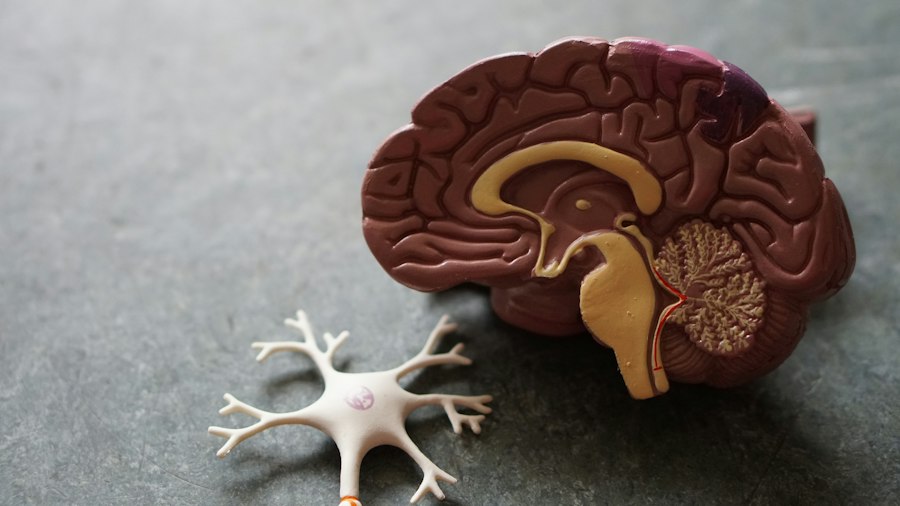
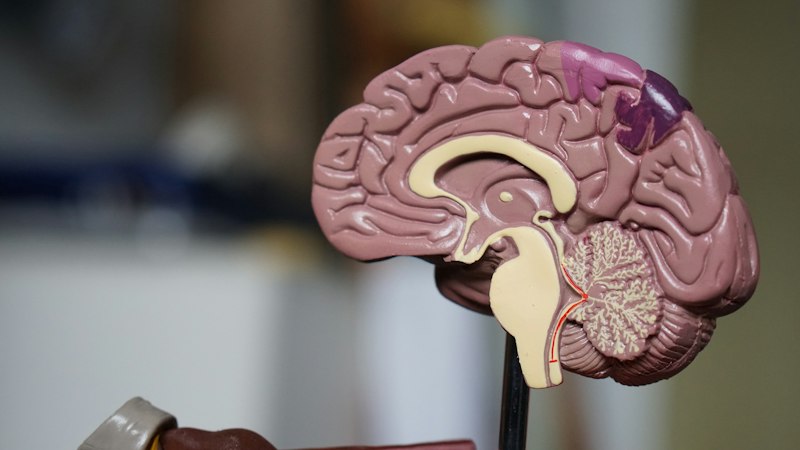
The brain's blood vessels have a remarkable ability to autoregulate — maintaining stable blood flow across a range of blood pressures. But when pressure rises suddenly and severely above approximately 180 mmHg, this autoregulation breaks down. The result is hypertensive encephalopathy:
- Forced opening of cerebral capillaries under extreme pressure
- Fluid leaking into brain tissue — cerebral oedema
- Microbleeds — tiny haemorrhages scattered through the brain
- Seizures
- Confusion, drowsiness, and if untreated — coma
On MRI, this appears as PRES — Posterior Reversible Encephalopathy Syndrome — white matter changes at the back of the brain that are, as the name suggests, largely reversible if BP is controlled promptly. But without treatment, the brain damage becomes permanent.
Why "Silent Hypertension" Kills
Hypertension earns its name as the "silent killer" because it causes no symptoms for years — until it causes catastrophic organ damage. The brain, heart, and kidneys quietly absorb the mechanical and biochemical damage from elevated pressure for a decade or more before an event occurs.
In the brain, chronically elevated BP causes:
- Lacunar infarcts: Small strokes in the deep brain structures — often occurring silently overnight
- White matter changes: Damage to the brain's communication pathways, causing progressive cognitive decline and walking difficulty
- Intracerebral haemorrhage risk: Rupture of small perforating arteries weakened by years of high pressure — most common cause of bleeding stroke in India
- Dementia: Vascular dementia — the second most common type of dementia — is directly caused by cumulative BP damage to the brain
The Problem With "I Take My Tablet When I Feel High BP"
This is one of the most dangerous misconceptions about hypertension management. You cannot feel your blood pressure. By the time you feel a headache or heaviness — your BP may already be 180/110. And more often, BP of 170/100 causes no feeling at all.
Antihypertensive medications only work when taken consistently every day. Missing tablets, halving doses, or stopping when "BP is normal" (because the medication is working) leads to rebound hypertension — often worse than the original levels.
Target BP and When to Come to Sri Anand CNC
General BP targets (adjusted individually based on age, diabetes, kidney disease):
- Standard adults: below 130/80 mmHg
- Adults over 65: below 140/90 mmHg
- Diabetes or chronic kidney disease: below 130/80 mmHg
See Dr. Anand Karnam urgently if you have BP above 180/110 at home — even without symptoms. Attend A&E immediately if BP is above 180/110 with headache, confusion, chest pain, shortness of breath, or vision changes.
Regular BP monitoring, medication review, and cardiovascular risk reduction: Sri Anand CNC, Chanda Nagar, Hyderabad. Call +91 90633 66983.
Dr. Anand Karnam
DrNB Neurology · Sri Anand CNC, Chanda Nagar Hyderabad · Sri Anand Child and Neuro Center
DrNB-qualified Neurologist, Fellow of the World Headache Society (FWHS), and Headache Specialist with 12+ years of experience treating epilepsy, stroke, migraine, and movement disorders. Practices at Sri Anand Child and Neuro Center, Chanda Nagar, Hyderabad.
References & Sources
- 1.Primary Health Care — WHO — World Health Organization
- 2.Health Information — NIH MedlinePlus — NIH MedlinePlus
- 3.Healthy Living — NHS — NHS UK
Health Information Standards
IMA — Indian Medical Association
Content follows IMA ethical guidelines for patient education
WHO — World Health Organization
Treatment information aligned with WHO clinical guidelines
MoHFW — Govt. of India — Ministry of Health
Follows MoHFW National Health Programme protocols
NMC — National Medical Commission
All doctors hold NMC-recognised qualifications (DrNB / MD / MPT)
All health tips and medical content on this website are written by qualified specialist doctors (DrNB / MD / MPT), follow the above guidelines, and are intended for general health education only. This content is original and evidence-based — not a substitute for professional medical advice. Always consult your doctor before making any health decisions.
Concerned about your health?
Talk to our specialist doctors directly — WhatsApp response within minutes during clinic hours.
Follow Sri Anand CNC — Health Education Videos
Dr. Anand Karnam and Dr. Sushma B regularly share health education videos, symptom guides, and wellness tips in Telugu and English — helping families in Hyderabad stay informed and healthy.
YouTube · Sri Anand Child and Neuro Center
Health education videos — neurological conditions, child health tips, physiotherapy exercises
Instagram · @srianandchildandneurocenter
Daily health tips, doctor reels, patient education in Telugu & English
Facebook · srianandchildandneurocenter
Latest health news, appointment reminders, and awareness posts
WhatsApp Channel · Sri Anand Health Tips
Subscribe for weekly health alerts, vaccine reminders, and neurological wellness tips