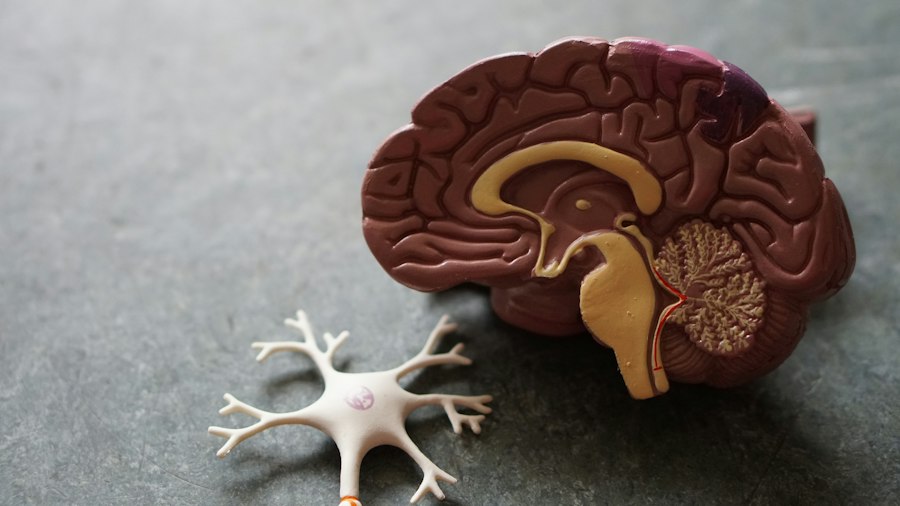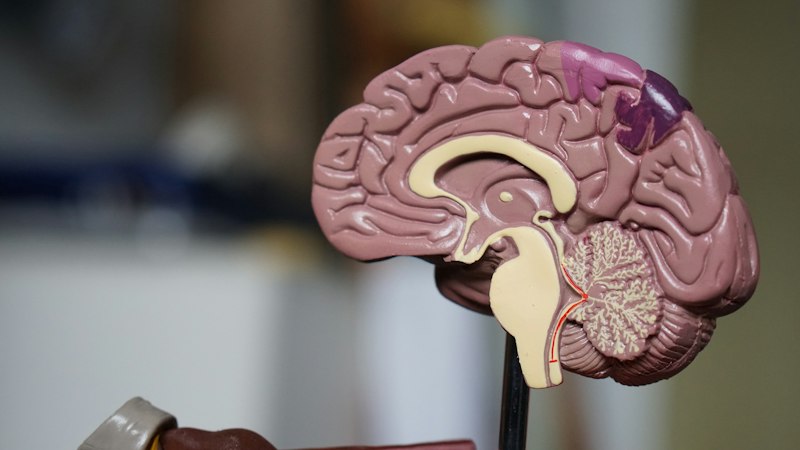

Motion sickness is a sensory conflict between what the inner ear senses and what the eyes see. Dr. Anand Karnam explains why children are more affected, the safest medications, and non-drug strategies for Indian road trips.
Key Points
- Motion sickness is caused by a mismatch between visual input and vestibular (inner ear) signals.
- Sitting in the front seat and focusing on the horizon significantly reduces motion sickness.
- Children aged 2–12 are most susceptible — most outgrow it by adulthood.
- Anti-histamines (dimenhydrinate, cinnarizine) and scopolamine patches are effective preventive medications.
- Ginger (500 mg capsules or ginger biscuits) has modest evidence for nausea relief without drowsiness.
1 in 3
people experience significant motion sickness at some point in their life
Source: NCBI
90%
of children aged 2–12 have some degree of motion sickness susceptibility
Source: NHS
75%
reduction in motion sickness with scopolamine patch — most effective medication
Source: Cochrane
"Motion sickness is not weakness — it is an overactive vestibular system responding to sensory mismatch. The best non-drug strategies: look at the horizon, sit in the front, don't read, ensure ventilation, and eat a light meal before travel."
Motion sickness — the nausea, vomiting, cold sweats, and dizziness that occur during travel — affects up to 30% of the population, with children aged 2–12 being the most susceptible. The pathophysiology is a sensory conflict: the vestibular system detects motion (the car is accelerating, braking, and turning), but the eyes — if fixed on a book or screen inside the vehicle — see a stationary environment. The brainstem receives contradictory signals, triggering the nausea and vomiting response, possibly as a protective mechanism to expel supposed toxins causing this neurological confusion.
Why Children Are More Affected
The vestibular-visual integration system matures through childhood — children process these conflicting sensory signals less efficiently than adults. Motion sickness peaks at 6–12 years and typically diminishes through adolescence. Genetic factors also play a role — motion sickness tends to run in families.
Prevention Strategies
Seating position: Front seat with eyes on the road ahead (synchronises visual and vestibular input). Middle back seat with eyes forward. Avoid reading or screens during travel — the biggest trigger. Gaze: Look at the distant horizon or road ahead; fix on a stable external reference point. Ventilation: Fresh air flow reduces nausea; avoid strong smells (petrol, food, perfume) inside the vehicle. Meal timing: Light meal 2–3 hours before travel; avoid heavy, fatty, or spicy food before a journey. Ginger: Ginger root (adrak) has good evidence for reducing nausea — ginger biscuits or ginger tea before travel. Accupressure (P6 point): The P6 (Nei-Kuan) pressure point on the inner wrist — 3 finger-widths below the wrist crease — when pressed with two fingers during travel, reduces nausea in some people. Sea-bands (acupressure wristbands) work on this principle.
Medications
Promethazine (Phenergan) — oral or suppository; effective but causes sedation. Cyclizine — less sedating. Scopolamine (hyoscine) transdermal patch — applied behind the ear 4 hours before travel; very effective for adults. Domperidone for acute nausea. Consult your doctor for children's dosing. Sri Anand CNC, Chanda Nagar, Hyderabad. Call +91 90633 66983.
Dr. Anand Karnam
DrNB Neurology · Sri Anand CNC, Chanda Nagar Hyderabad · Sri Anand Child and Neuro Center
DrNB-qualified Neurologist, Fellow of the World Headache Society (FWHS), and Headache Specialist with 12+ years of experience treating epilepsy, stroke, migraine, and movement disorders. Practices at Sri Anand Child and Neuro Center, Chanda Nagar, Hyderabad.
References & Sources
- 1.Motion Sickness — NCBI StatPearls — NCBI StatPearls
- 2.Motion Sickness — NHS — NHS UK
- 3.Motion Sickness — NIH MedlinePlus — NIH MedlinePlus
Health Information Standards
IMA — Indian Medical Association
Content follows IMA ethical guidelines for patient education
WHO — World Health Organization
Treatment information aligned with WHO clinical guidelines
MoHFW — Govt. of India — Ministry of Health
Follows MoHFW National Health Programme protocols
NMC — National Medical Commission
All doctors hold NMC-recognised qualifications (DrNB / MD / MPT)
All health tips and medical content on this website are written by qualified specialist doctors (DrNB / MD / MPT), follow the above guidelines, and are intended for general health education only. This content is original and evidence-based — not a substitute for professional medical advice. Always consult your doctor before making any health decisions.
Concerned about your health?
Talk to our specialist doctors directly — WhatsApp response within minutes during clinic hours.
Follow Sri Anand CNC — Health Education Videos
Dr. Anand Karnam and Dr. Sushma B regularly share health education videos, symptom guides, and wellness tips in Telugu and English — helping families in Hyderabad stay informed and healthy.
YouTube · Sri Anand Child and Neuro Center
Health education videos — neurological conditions, child health tips, physiotherapy exercises
Instagram · @srianandchildandneurocenter
Daily health tips, doctor reels, patient education in Telugu & English
Facebook · srianandchildandneurocenter
Latest health news, appointment reminders, and awareness posts
WhatsApp Channel · Sri Anand Health Tips
Subscribe for weekly health alerts, vaccine reminders, and neurological wellness tips