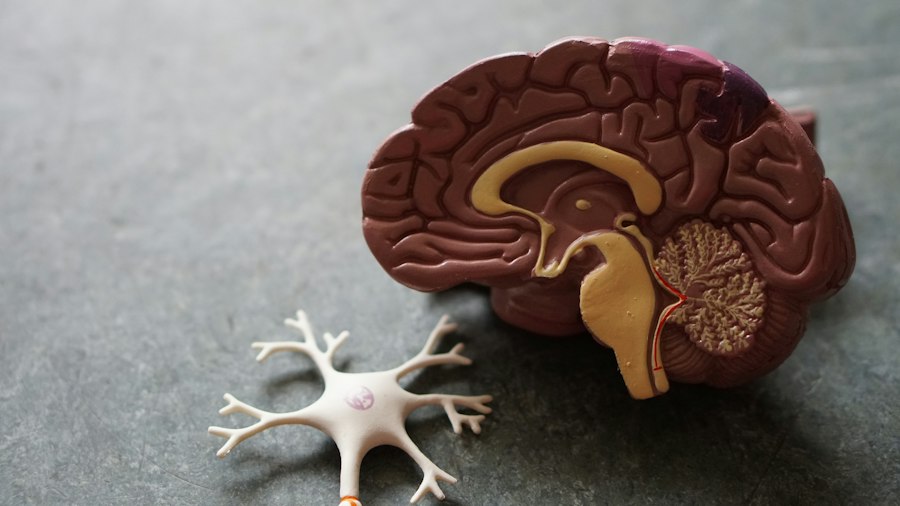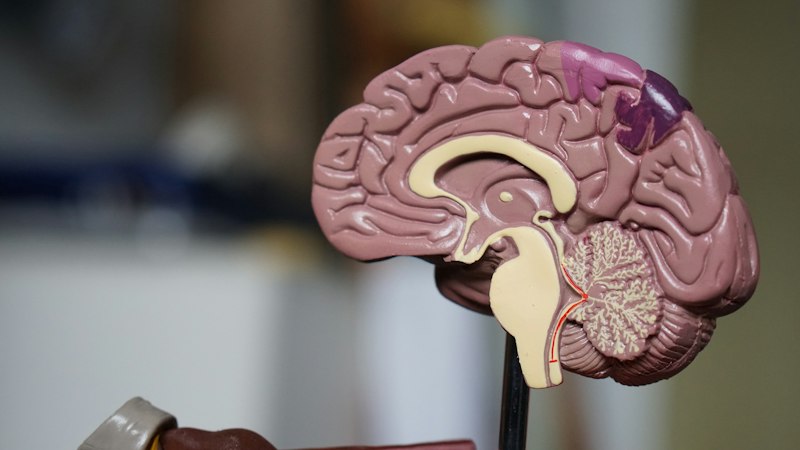
Thousands of people in Hyderabad have brain damage they cannot feel — until it is too late. Dr. Anand Karnam explains the signs of silent brain damage from stress, high BP, and lifestyle — and why early detection matters.
Key Points
- The brain has no pain receptors in its tissue — brain damage from hypertension, stress, and metabolic syndrome progresses silently for years before producing obvious symptoms.
- Chronic hypertension causes silent lacunar infarcts (tiny strokes often not felt) and white matter hyperintensities visible on MRI, manifesting as subtle cognitive slowing.
- Chronically elevated cortisol from psychological stress causes measurable hippocampal volume reduction — the memory centre of the brain.
- Metabolic syndrome — the combination of high BP, high blood sugar, central obesity, and dyslipidaemia — damages brain vasculature through multiple mechanisms simultaneously.
- Early warning signs include subtle word-finding difficulty, slower information processing, slight balance changes, and increased emotional reactivity — especially with vascular risk factors.
40%
of adults in Hyderabad have at least one component of metabolic syndrome
Source: ICMR-INDIAB Metabolic Study 2023
63%
of stroke patients in India had known but uncontrolled hypertension before their stroke
Source: Indian Stroke Association National Audit
8%
hippocampal volume reduction in adults with chronic high-stress occupations compared to low-stress controls
Source: Nature Neuroscience
"As a neurologist, the most important message I give to high-risk patients is this: by the time the brain is producing obvious symptoms, significant damage has usually already accumulated. The time to protect the brain is when you have risk factors — high BP, diabetes, stress — not after the first stroke or the first memory complaint. Brain health is preventive medicine."
The brain — unlike the heart or the knee — does not hurt when it is being damaged. There is no pain receptor in the brain tissue itself. Headaches come from blood vessels and meninges around the brain — not from the neurons dying. This means brain damage can progress silently for years, revealed only when enough has accumulated to cause a visible symptom. By that point, prevention has become treatment.
What Causes Silent Brain Damage
Chronic hypertension: The most common cause of silent brain damage in India. Years of elevated BP silently damages small cerebral vessels — causing lacunar infarcts (tiny strokes often not felt) and white matter hyperintensities. On MRI, these appear as small bright spots; clinically, they manifest as subtle slowing of thought, occasional word-finding difficulty, and balance changes — symptoms often attributed to "ageing" or "tiredness."
Chronic stress and elevated cortisol: Prolonged psychological stress maintains chronically elevated cortisol levels. In the brain, chronically high cortisol damages hippocampal neurons — the cells most critical for memory formation and consolidation. Studies show measurable hippocampal volume reduction in people with chronic stress and PTSD. This translates to subtle memory problems and emotional dysregulation that many people accept as "normal modern life."
Sleep deprivation: As described elsewhere, chronic sleep deprivation accelerates amyloid accumulation — the Alzheimer's pathway — over years of poor sleep, building damage that surfaces as dementia decades later.
Metabolic syndrome: The combination of high BP, high blood sugar, central obesity, and dyslipidaemia — extremely common in urban Hyderabad — damages brain vasculature through multiple mechanisms simultaneously.
Early Warning Signs Worth Noticing
- Increasing difficulty remembering names or words you know — particularly if this is a change from your previous baseline
- Taking noticeably longer to process new information or learn new skills
- Subtle balance changes — occasional unsteadiness, difficulty on stairs
- Increased emotional reactivity — getting upset or anxious more easily than before
- Difficulty multitasking that was previously easy
None of these alone is diagnostic — but a pattern of subtle functional change in a person with vascular risk factors or chronic stress warrants neurological assessment.
Sri Anand CNC, Chanda Nagar, Hyderabad. Cognitive screening and brain health assessment. Call +91 90633 66983.
Dr. Anand Karnam
DrNB Neurology · Sri Anand CNC, Chanda Nagar Hyderabad · Sri Anand Child and Neuro Center
DrNB-qualified Neurologist, Fellow of the World Headache Society (FWHS), and Headache Specialist with 12+ years of experience treating epilepsy, stroke, migraine, and movement disorders. Practices at Sri Anand Child and Neuro Center, Chanda Nagar, Hyderabad.
References & Sources
- 1.Neurological Disorders — WHO — World Health Organization
- 2.Neurology — NIH MedlinePlus — NIH MedlinePlus
- 3.AAN Clinical Practice Guidelines — American Academy of Neurology
Health Information Standards
IMA — Indian Medical Association
Content follows IMA ethical guidelines for patient education
WHO — World Health Organization
Treatment information aligned with WHO clinical guidelines
MoHFW — Govt. of India — Ministry of Health
Follows MoHFW National Health Programme protocols
NMC — National Medical Commission
All doctors hold NMC-recognised qualifications (DrNB / MD / MPT)
All health tips and medical content on this website are written by qualified specialist doctors (DrNB / MD / MPT), follow the above guidelines, and are intended for general health education only. This content is original and evidence-based — not a substitute for professional medical advice. Always consult your doctor before making any health decisions.
Concerned about your health?
Talk to our specialist doctors directly — WhatsApp response within minutes during clinic hours.
Follow Sri Anand CNC — Health Education Videos
Dr. Anand Karnam and Dr. Sushma B regularly share health education videos, symptom guides, and wellness tips in Telugu and English — helping families in Hyderabad stay informed and healthy.
YouTube · Sri Anand Child and Neuro Center
Health education videos — neurological conditions, child health tips, physiotherapy exercises
Instagram · @srianandchildandneurocenter
Daily health tips, doctor reels, patient education in Telugu & English
Facebook · srianandchildandneurocenter
Latest health news, appointment reminders, and awareness posts
WhatsApp Channel · Sri Anand Health Tips
Subscribe for weekly health alerts, vaccine reminders, and neurological wellness tips