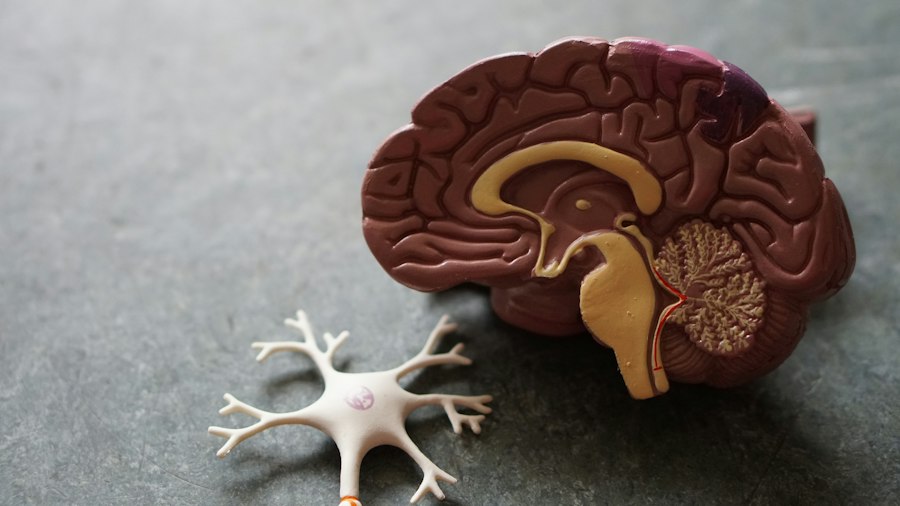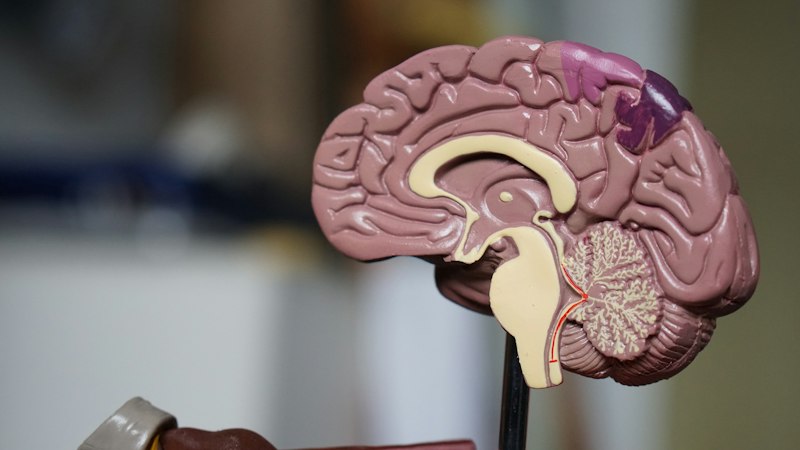

Cortisol — the stress hormone — damages the hippocampus, shrinks the prefrontal cortex, and accelerates brain ageing. Dr. Anand Karnam explains the neuroscience of chronic stress and evidence-based interventions that protect the brain.
Key Points
- Chronic stress raises cortisol, which damages hippocampal neurons over time — the memory centre of the brain.
- Stress-related cortisol elevation increases amyloid deposition — a hallmark of Alzheimer's disease.
- Depression (often a consequence of chronic stress) is associated with 65% higher dementia risk.
- Evidence-based stress reduction: mindfulness meditation, regular exercise, social connection, and adequate sleep.
- Work stress, financial stress, and relationship stress are all independently associated with accelerated brain ageing.
65%
higher dementia risk associated with midlife depression
Source: Lancet 2020
5%
reduction in hippocampal volume after prolonged stress exposure — detectable on MRI
Source: NIH NIA
40%
reduction in stress markers with 8 weeks of mindfulness-based stress reduction
Source: NCBI
"Stress is not just a feeling — it is a neurological event. Chronic cortisol elevation physically shrinks the hippocampus over years. Managing stress is not weakness; it is neuroprotection."
Stress is an essential biological response — the acute stress response mobilises the body for threat, sharpening attention and physical performance. But chronic psychological stress — the relentless, sustained kind driven by financial pressure, occupational demands, relationship difficulties, and health anxiety — is neurologically toxic. The hippocampus (memory and learning), the prefrontal cortex (executive function, decision-making, emotional regulation), and the amygdala (fear and threat processing) are all structurally remodelled by chronic stress in ways that impair cognition and accelerate ageing.
What Cortisol Does to the Brain
Cortisol — the primary glucocorticoid stress hormone — is released from the adrenal glands in response to HPA (hypothalamic-pituitary-adrenal) axis activation. Acutely, cortisol enhances memory formation (why stressful events are vividly remembered). But chronically: Hippocampal damage: Sustained high cortisol reduces hippocampal neurogenesis, reduces dendritic spine density, and eventually causes hippocampal volume reduction — observable on MRI. People with chronic stress disorders (PTSD, major depression, chronic anxiety) consistently show smaller hippocampal volumes. Prefrontal cortex thinning: Chronic stress reduces dendritic complexity in the prefrontal cortex — the seat of reasoning, impulse control, and working memory. Amygdala enlargement: The threat-detection region grows larger and more reactive — explaining the hypervigilance and anxiety amplification of chronic stress.
Evidence-Based Stress Management for Brain Protection
Exercise: The most potent cortisol-regulating intervention — aerobic exercise normalises HPA axis reactivity and directly counteracts the hippocampal damage from stress. Mindfulness meditation: 8 weeks of MBSR (Mindfulness-Based Stress Reduction) produces measurable increases in hippocampal and prefrontal grey matter volume. Sleep: Sleep is essential for emotional regulation; sleep deprivation dramatically amplifies amygdala reactivity to stressors. Social connection: Strong social support buffers the cortisol response to stressors — the neurobiological basis of why loneliness is a risk factor for dementia. Sri Anand CNC, Chanda Nagar, Hyderabad. Call +91 90633 66983.
Dr. Anand Karnam
DrNB Neurology · Sri Anand CNC, Chanda Nagar Hyderabad · Sri Anand Child and Neuro Center
DrNB-qualified Neurologist, Fellow of the World Headache Society (FWHS), and Headache Specialist with 12+ years of experience treating epilepsy, stroke, migraine, and movement disorders. Practices at Sri Anand Child and Neuro Center, Chanda Nagar, Hyderabad.
References & Sources
- 1.Brain Health — NIH NIA — NIH National Institute on Aging
- 2.Mental Health — WHO — World Health Organization
- 3.Dementia Risk — Lancet Commission 2020 — The Lancet
Health Information Standards
IMA — Indian Medical Association
Content follows IMA ethical guidelines for patient education
WHO — World Health Organization
Treatment information aligned with WHO clinical guidelines
MoHFW — Govt. of India — Ministry of Health
Follows MoHFW National Health Programme protocols
NMC — National Medical Commission
All doctors hold NMC-recognised qualifications (DrNB / MD / MPT)
All health tips and medical content on this website are written by qualified specialist doctors (DrNB / MD / MPT), follow the above guidelines, and are intended for general health education only. This content is original and evidence-based — not a substitute for professional medical advice. Always consult your doctor before making any health decisions.
Concerned about your health?
Talk to our specialist doctors directly — WhatsApp response within minutes during clinic hours.
Follow Sri Anand CNC — Health Education Videos
Dr. Anand Karnam and Dr. Sushma B regularly share health education videos, symptom guides, and wellness tips in Telugu and English — helping families in Hyderabad stay informed and healthy.
YouTube · Sri Anand Child and Neuro Center
Health education videos — neurological conditions, child health tips, physiotherapy exercises
Instagram · @srianandchildandneurocenter
Daily health tips, doctor reels, patient education in Telugu & English
Facebook · srianandchildandneurocenter
Latest health news, appointment reminders, and awareness posts
WhatsApp Channel · Sri Anand Health Tips
Subscribe for weekly health alerts, vaccine reminders, and neurological wellness tips