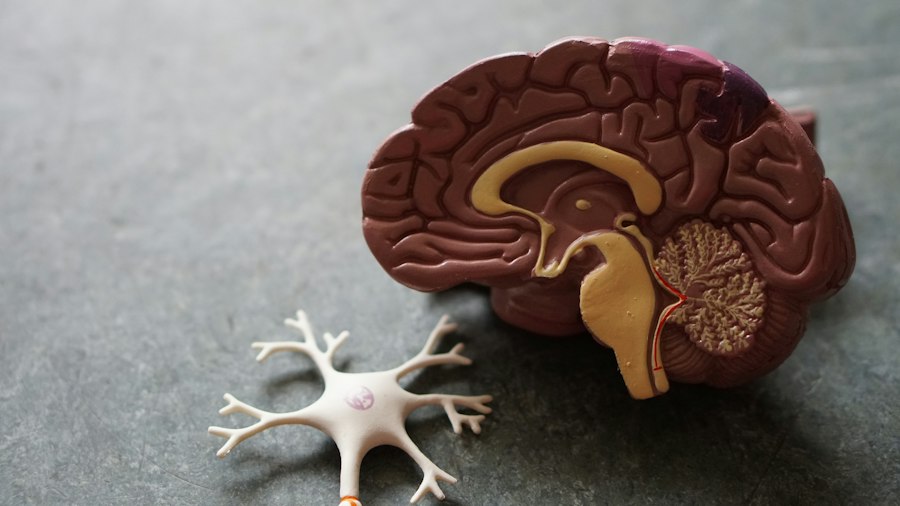

Exercise reduces dementia risk by 30–35%, grows the hippocampus, and treats depression as effectively as medication. Dr. Anand Karnam explains the neuroscience of exercise and the minimum effective dose for brain protection.
Key Points
- Aerobic exercise increases hippocampal volume by 2% per year — reversing age-related shrinkage.
- Even 10 minutes of brisk walking acutely improves memory, attention, and mood for 2–3 hours.
- Resistance training (weights, bodyweight) protects against dementia risk independently of aerobic exercise.
- Exercise is as effective as antidepressants for mild-moderate depression — with better side effect profile.
- The minimum effective dose: 150 minutes of moderate aerobic exercise per week — 5 × 30-minute sessions.
2%/yr
increase in hippocampal volume with aerobic exercise — reverses 1–2 years of brain ageing
Source: PNAS
150 min/wk
WHO minimum aerobic exercise recommendation for brain and body health
Source: WHO
45%
lower dementia risk with high physical activity levels throughout adulthood
Source: Cochrane
"If exercise were a pill, it would be the most prescribed medicine in the world — and the most cost-effective. It grows the brain, reverses ageing, treats depression, prevents stroke and dementia, and improves sleep. No drug does all of this."
If the neurological benefits of aerobic exercise could be packaged as a pill, it would be the most prescribed medication in the world — and one of the most effective. The evidence for exercise as a brain-protective intervention is now overwhelming: multiple large meta-analyses consistently show that physically active people have 30–35% lower risk of dementia; exercise grows the hippocampus (the brain's memory centre) by 1–2% per year, partially reversing the normal age-related shrinkage; and exercise treats depression and anxiety as effectively as antidepressant medications in moderate depression.
The Neuroscience: What Exercise Does to the Brain
BDNF (Brain-Derived Neurotrophic Factor): The "miracle-gro for the brain." Aerobic exercise increases BDNF levels in the hippocampus by 200–300%. BDNF promotes neurogenesis (creation of new neurons in the hippocampus), strengthens synaptic connections, and protects neurons from damage. The BDNF effect is dose-dependent and duration-specific — aerobic exercise above 70% maximum heart rate for at least 20 minutes produces the greatest BDNF surge.
Cerebrovascular effects: Exercise increases cerebral blood flow; promotes angiogenesis (new blood vessel formation); reduces arterial stiffness; lowers blood pressure; reduces the burden of white matter disease. Anti-inflammatory effects: Exercise increases IL-10 (anti-inflammatory cytokine) and reduces IL-6 and TNF-alpha — reducing neuroinflammation. Glymphatic function: Exercise during sleep enhances glymphatic clearance of metabolic waste (including amyloid) from the brain.
The Minimum Effective Dose
The WHO recommends 150 minutes of moderate-intensity aerobic exercise per week (brisk walking, cycling, swimming) OR 75 minutes of vigorous-intensity exercise — achieving this threshold produces most of the brain health benefit. For those currently sedentary: even 30 minutes of brisk walking, 5 days a week, produces dramatic improvements in mood, sleep, cognitive function, and long-term dementia risk. The best exercise for the brain is the one you will actually do consistently. Sri Anand CNC, Chanda Nagar, Hyderabad. Call +91 90633 66983.
Dr. Anand Karnam
DrNB Neurology · Sri Anand CNC, Chanda Nagar Hyderabad · Sri Anand Child and Neuro Center
DrNB-qualified Neurologist, Fellow of the World Headache Society (FWHS), and Headache Specialist with 12+ years of experience treating epilepsy, stroke, migraine, and movement disorders. Practices at Sri Anand Child and Neuro Center, Chanda Nagar, Hyderabad.
References & Sources
- 1.Physical Activity — WHO Fact Sheet — World Health Organization
- 2.Exercise and Brain Health — NIH NIA — NIH National Institute on Aging
- 3.Physical Activity and Dementia — Cochrane — Cochrane Library
Health Information Standards
IMA — Indian Medical Association
Content follows IMA ethical guidelines for patient education
WHO — World Health Organization
Treatment information aligned with WHO clinical guidelines
MoHFW — Govt. of India — Ministry of Health
Follows MoHFW National Health Programme protocols
NMC — National Medical Commission
All doctors hold NMC-recognised qualifications (DrNB / MD / MPT)
All health tips and medical content on this website are written by qualified specialist doctors (DrNB / MD / MPT), follow the above guidelines, and are intended for general health education only. This content is original and evidence-based — not a substitute for professional medical advice. Always consult your doctor before making any health decisions.
Concerned about your health?
Talk to our specialist doctors directly — WhatsApp response within minutes during clinic hours.
Follow Sri Anand CNC — Health Education Videos
Dr. Anand Karnam and Dr. Sushma B regularly share health education videos, symptom guides, and wellness tips in Telugu and English — helping families in Hyderabad stay informed and healthy.
YouTube · Sri Anand Child and Neuro Center
Health education videos — neurological conditions, child health tips, physiotherapy exercises
Instagram · @srianandchildandneurocenter
Daily health tips, doctor reels, patient education in Telugu & English
Facebook · srianandchildandneurocenter
Latest health news, appointment reminders, and awareness posts
WhatsApp Channel · Sri Anand Health Tips
Subscribe for weekly health alerts, vaccine reminders, and neurological wellness tips