The skull is rigid — any swelling inside it increases pressure on the brain with potentially fatal results. Dr. Anand Karnam explains what causes brain swelling, how it is detected, and how it is managed.
Key Points
- Cerebral oedema is brain swelling that raises intracranial pressure — causing headache, vomiting, vision changes, and reduced consciousness.
- Causes: traumatic brain injury, stroke, meningitis, tumour, and hyponatraemia (low sodium).
- Classic signs of raised ICP: Cushing's triad — hypertension, bradycardia, and irregular breathing.
- Immediate measures: head elevation 30°, osmotherapy (mannitol/hypertonic saline), and hyperventilation.
- Refractory cases may need decompressive craniectomy — surgical removal of part of the skull to allow brain expansion.
25%
increase in mortality for each 5 mmHg rise in intracranial pressure above 20
Source: NCBI
30°
head-of-bed elevation to reduce ICP without reducing cerebral perfusion
Source: AHA
18%
mortality reduction with decompressive hemicraniectomy in malignant MCA stroke
Source: Cochrane
"The brain has no room for swelling — it is enclosed in a rigid skull. Any condition that swells the brain is immediately life-threatening. Recognising the signs of rising intracranial pressure and acting fast is what separates good from great neurological emergency care."
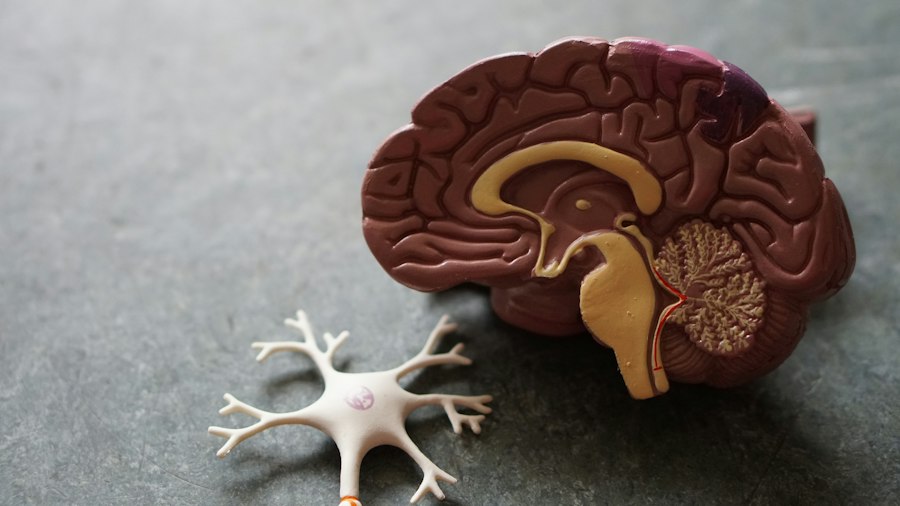
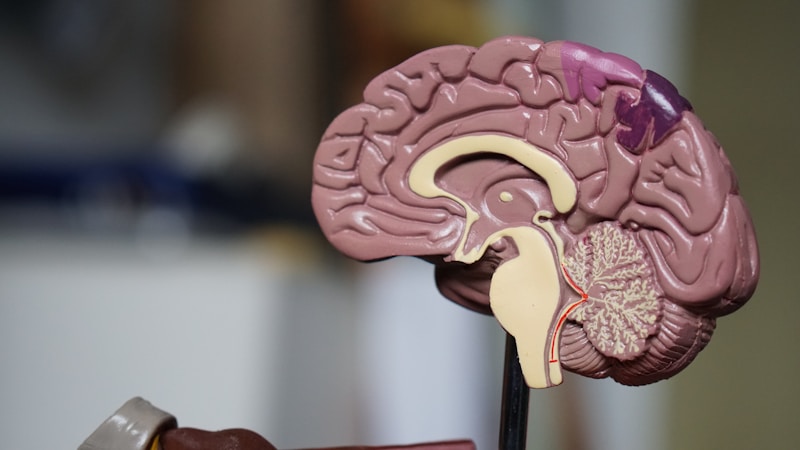
The human brain sits within a rigid skull — a closed box. Any process that increases the volume inside this box raises intracranial pressure (ICP). As ICP rises, blood flow to the brain is compromised, and eventually brain tissue is forced downward through the base of the skull (herniation) — a catastrophic event that causes rapid death or permanent brain damage unless reversed immediately. Brain swelling (cerebral oedema) is one of the most important and dangerous causes of raised ICP.
Causes of Brain Swelling
Vasogenic oedema: Breakdown of the blood-brain barrier — the tight junction system that keeps fluid out of brain tissue. Causes: brain tumour (both primary and metastatic — tumours produce factors that disrupt the BBB); abscess; severe meningitis or encephalitis; major ischemic stroke. The oedema surrounds the lesion like a halo on CT/MRI.
Cytotoxic oedema: Swelling within the brain cells themselves due to cellular energy failure. Occurs in: ischemic stroke (cells cannot maintain their ion pumps; water floods in); cardiac arrest (global ischemia); severe hypoglycaemia; traumatic brain injury. This type is largely irreversible — the cells are dying.
Hydrocephalus: Accumulation of cerebrospinal fluid — either due to obstruction of its flow (obstructive hydrocephalus — tumour blocking the ventricular system) or impaired reabsorption.
Symptoms of Rising Intracranial Pressure
Classic triad (Cushing's triad — a late and ominous sign): hypertension + bradycardia + irregular breathing. Earlier signs: progressive headache (worst on waking); repeated vomiting (projectile, without nausea); decreasing level of consciousness; one pupil dilating and becoming unreactive (third nerve compression — sign of imminent herniation).
Management
Head elevation to 30°; IV mannitol or hypertonic saline (draws fluid out of the brain); controlled hyperventilation (temporarily reduces CO2 and constricts cerebral vessels); dexamethasone (specifically for vasogenic oedema around tumours and abscesses); emergency decompressive craniectomy for large strokes or traumatic brain injury. For neurological consultation: Sri Anand CNC, Chanda Nagar, Hyderabad. Call +91 90633 66983.
Dr. Anand Karnam
DrNB Neurology · Sri Anand CNC, Chanda Nagar Hyderabad · Sri Anand Child and Neuro Center
DrNB-qualified Neurologist, Fellow of the World Headache Society (FWHS), and Headache Specialist with 12+ years of experience treating epilepsy, stroke, migraine, and movement disorders. Practices at Sri Anand Child and Neuro Center, Chanda Nagar, Hyderabad.
References & Sources
- 1.Cerebral Oedema — NCBI StatPearls — NCBI StatPearls
- 2.Brain Swelling — NIH MedlinePlus — NIH MedlinePlus
- 3.Head Injury — WHO — World Health Organization
Health Information Standards
IMA — Indian Medical Association
Content follows IMA ethical guidelines for patient education
WHO — World Health Organization
Treatment information aligned with WHO clinical guidelines
MoHFW — Govt. of India — Ministry of Health
Follows MoHFW National Health Programme protocols
NMC — National Medical Commission
All doctors hold NMC-recognised qualifications (DrNB / MD / MPT)
All health tips and medical content on this website are written by qualified specialist doctors (DrNB / MD / MPT), follow the above guidelines, and are intended for general health education only. This content is original and evidence-based — not a substitute for professional medical advice. Always consult your doctor before making any health decisions.
Concerned about your health?
Talk to our specialist doctors directly — WhatsApp response within minutes during clinic hours.
Follow Sri Anand CNC — Health Education Videos
Dr. Anand Karnam and Dr. Sushma B regularly share health education videos, symptom guides, and wellness tips in Telugu and English — helping families in Hyderabad stay informed and healthy.
YouTube · Sri Anand Child and Neuro Center
Health education videos — neurological conditions, child health tips, physiotherapy exercises
Instagram · @srianandchildandneurocenter
Daily health tips, doctor reels, patient education in Telugu & English
Facebook · srianandchildandneurocenter
Latest health news, appointment reminders, and awareness posts
WhatsApp Channel · Sri Anand Health Tips
Subscribe for weekly health alerts, vaccine reminders, and neurological wellness tips