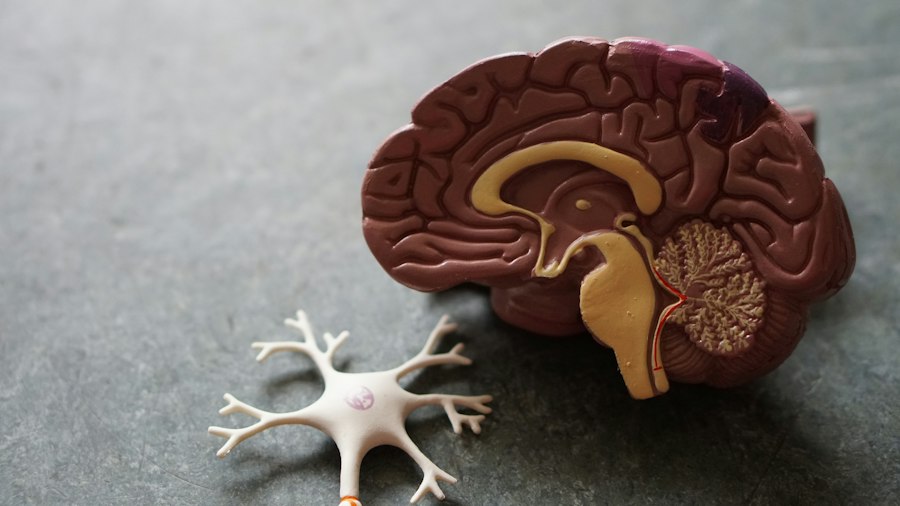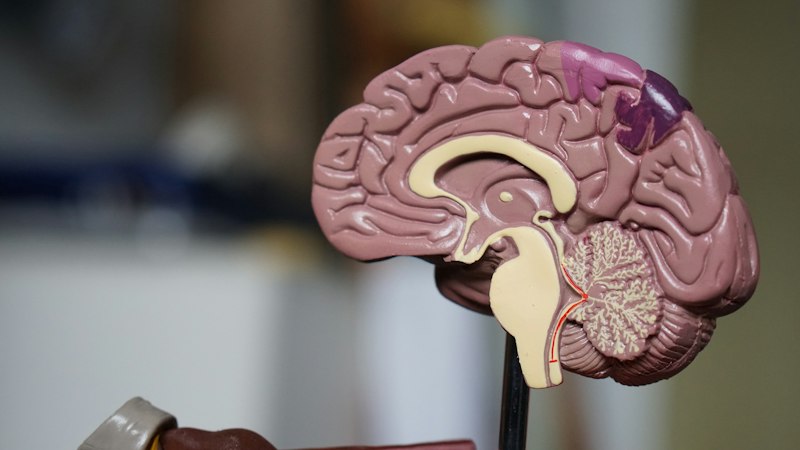

90% of serotonin — the mood chemical — is made in the gut. The gut-brain axis connects your digestive system directly to your mental health. Dr. Anand Karnam explains this fascinating and clinically important connection.
Key Points
- The gut-brain axis is a bidirectional communication system — the gut directly influences brain chemistry via the vagus nerve and gut microbiome.
- 90% of the body's serotonin is produced in the gut — gut health directly affects mood.
- Probiotic strains Lactobacillus rhamnosus and Bifidobacterium longum have evidence for reducing anxiety and depression.
- Mediterranean diet significantly improves gut microbiome diversity — linked to better mental health outcomes.
- IBS and anxiety/depression frequently co-exist — treating one often improves the other.
90%
of the body's serotonin is produced in the gut — not the brain
Source: NCBI
40%
of IBS patients have comorbid anxiety or depression
Source: Lancet
30%
improvement in depression scores with Mediterranean diet adherence in RCTs
Source: Cochrane
"The gut-brain connection is one of the most exciting areas of neuroscience. When patients tell me their anxiety gets worse when their gut flares — they are describing a real biological phenomenon. Diet, probiotics, and stress management all work through the same gut-brain axis."
The idea that the gut and brain are separate systems — one handling digestion, the other handling thought — is outdated neuroscience. The gut and brain are in constant bidirectional communication via the enteric nervous system, the vagus nerve, the immune system, and the gut microbiome. This gut-brain axis is a major frontier in neuroscience and medicine, with clinical implications for depression, anxiety, autism, Parkinson's disease, and cognitive function.
The Enteric Nervous System: The Second Brain
The gut contains approximately 500 million neurons — more than the spinal cord. This enteric nervous system (ENS) regulates all gastrointestinal function largely independently of the brain. It communicates with the central nervous system via the vagus nerve — and 80% of the signals in the vagus nerve travel FROM the gut TO the brain (not the other way around). This means the gut is constantly sending information to the brain, influencing mood, appetite, sleep, and even pain perception.
Serotonin and the Gut
Approximately 90–95% of the body's serotonin — the neurotransmitter most associated with mood regulation, sleep, and appetite — is produced by enterochromaffin cells in the gut lining. This serotonin regulates intestinal motility but also communicates mood-related signals via the vagus nerve. Disruptions in gut serotonin signalling are being studied in irritable bowel syndrome (IBS), depression, and anxiety.
The Gut Microbiome and Mental Health
The 100 trillion bacteria inhabiting the gut (the microbiome) produce neurotransmitter precursors, short-chain fatty acids, and immune modulators that directly affect brain function. Studies show: people with depression and anxiety have measurably different microbiome compositions; germ-free animals raised without any gut bacteria show abnormal stress responses and anxiety behaviours; probiotic supplementation in human trials has shown modest but measurable improvements in anxiety and depression scores.
Clinical Implications
For patients: gut health is brain health. Dietary fibre (prebiotic foods — onion, garlic, banana, oats) feeds beneficial bacteria. Fermented foods (yoghurt, idli, dosa, fermented rice) provide probiotics. Ultra-processed foods and excess sugar disrupt the microbiome. Chronic antibiotic use (without medical necessity) depletes microbiome diversity with potentially lasting effects.
The clinical link is already established: patients with IBS have significantly higher rates of anxiety and depression; treating IBS improves mood; treating anxiety improves IBS. These are not two separate conditions with coincidental overlap — they are manifestations of gut-brain axis dysfunction.
For neurological and general health consultation: Sri Anand CNC, Chanda Nagar, Hyderabad. Call +91 90633 66983.
Dr. Anand Karnam
DrNB Neurology · Sri Anand CNC, Chanda Nagar Hyderabad · Sri Anand Child and Neuro Center
DrNB-qualified Neurologist, Fellow of the World Headache Society (FWHS), and Headache Specialist with 12+ years of experience treating epilepsy, stroke, migraine, and movement disorders. Practices at Sri Anand Child and Neuro Center, Chanda Nagar, Hyderabad.
References & Sources
- 1.Gut Health and Mental Health — NIH MedlinePlus — NIH MedlinePlus
- 2.Nutrition and Mental Health — WHO — World Health Organization
- 3.Gut-Brain Axis — NCBI StatPearls — NCBI StatPearls
Health Information Standards
IMA — Indian Medical Association
Content follows IMA ethical guidelines for patient education
WHO — World Health Organization
Treatment information aligned with WHO clinical guidelines
MoHFW — Govt. of India — Ministry of Health
Follows MoHFW National Health Programme protocols
NMC — National Medical Commission
All doctors hold NMC-recognised qualifications (DrNB / MD / MPT)
All health tips and medical content on this website are written by qualified specialist doctors (DrNB / MD / MPT), follow the above guidelines, and are intended for general health education only. This content is original and evidence-based — not a substitute for professional medical advice. Always consult your doctor before making any health decisions.
Concerned about your health?
Talk to our specialist doctors directly — WhatsApp response within minutes during clinic hours.
Follow Sri Anand CNC — Health Education Videos
Dr. Anand Karnam and Dr. Sushma B regularly share health education videos, symptom guides, and wellness tips in Telugu and English — helping families in Hyderabad stay informed and healthy.
YouTube · Sri Anand Child and Neuro Center
Health education videos — neurological conditions, child health tips, physiotherapy exercises
Instagram · @srianandchildandneurocenter
Daily health tips, doctor reels, patient education in Telugu & English
Facebook · srianandchildandneurocenter
Latest health news, appointment reminders, and awareness posts
WhatsApp Channel · Sri Anand Health Tips
Subscribe for weekly health alerts, vaccine reminders, and neurological wellness tips