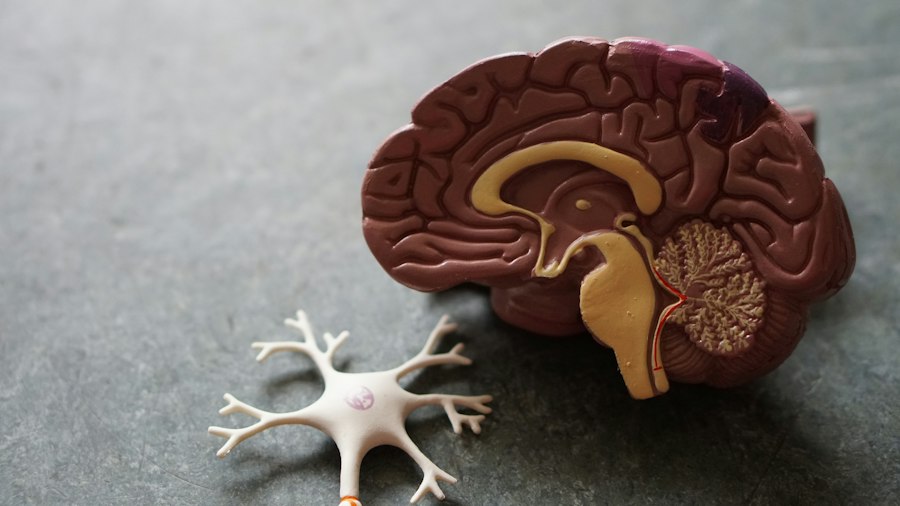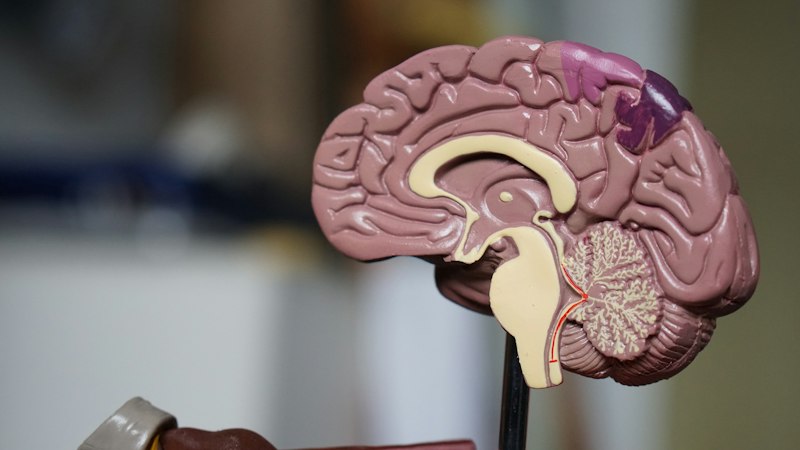
Hydrocephalus causes abnormal accumulation of CSF in the brain's ventricles, damaging the surrounding brain tissue. Dr. Anand Karnam explains the different types, warning signs, and why early shunting changes outcomes.
Key Points
- Hydrocephalus is accumulation of cerebrospinal fluid within or around the brain — causing raised intracranial pressure.
- In infants: rapidly growing head circumference, bulging fontanelle, and setting-sun sign (eyes deviated downward).
- In adults: Normal Pressure Hydrocephalus (NPH) presents as the 'wet, wobbly, wacky' triad — urinary incontinence, gait problems, dementia.
- Ventriculo-peritoneal (VP) shunt placement drains excess CSF to the abdomen — highly effective.
- NPH is one of the few reversible causes of dementia — VP shunting in the right patient produces dramatic improvement.
3 per 100K
annual incidence of hydrocephalus requiring intervention
Source: NCBI
1 in 20
apparent dementia cases in elderly have NPH as a treatable cause
Source: NHS
80%
of NPH patients improve gait after VP shunting
Source: Cochrane
"Normal pressure hydrocephalus is one of the most rewarding diagnoses in neurology — a patient with apparent dementia, incontinence, and falls turns out to have a treatable cause. After VP shunting, the gait improves within days. Not every case of dementia is irreversible."
Hydrocephalus — literally "water head" — is the abnormal accumulation of cerebrospinal fluid (CSF) within the brain's ventricular system, producing ventricular dilatation and elevated intracranial pressure. CSF is produced by the choroid plexus, circulates through the ventricular system, and is reabsorbed into the bloodstream. When any part of this circulation is blocked, or reabsorption fails, CSF accumulates. Hydrocephalus can occur at any age — from premature infants to the elderly — and the clinical presentation varies dramatically by age and cause.
Types of Hydrocephalus
Obstructive (non-communicating): CSF flow is blocked within the ventricular system — most commonly at the narrow aqueduct of Sylvius (aqueductal stenosis — often congenital) or by tumours, blood clots, or cysts blocking CSF flow. Surgical intervention urgently needed.
Communicating hydrocephalus: CSF can flow freely between ventricles but reabsorption is impaired — typically after meningitis, subarachnoid haemorrhage, or trauma, which scars the arachnoid granulations (reabsorption sites). CSP accumulates progressively.
Normal Pressure Hydrocephalus (NPH): A specific communicating hydrocephalus of the elderly — enlarged ventricles without high CSF pressure. Presents with the classic triad: gait disturbance (wide-based, magnetic gait — "walking as if feet are stuck to the floor"); urinary incontinence; and cognitive decline. This triad in an elderly patient is NPH until proven otherwise. Highly treatable with CSF shunting — the gait improves dramatically within days of shunting.
Warning Signs in Infants
Head circumference growing too fast (crossing percentile lines upward on growth chart); bulging fontanelle; downward gaze deviation ("sunsetting sign"); irritability; vomiting; prominent scalp veins. Early recognition prevents irreversible brain compression damage.
Warning Signs in Older Children and Adults
Headache worse in the morning and on lying down; nausea and vomiting; blurred or double vision; drowsiness; gait problems; cognitive deterioration.
Treatment
Ventriculoperitoneal (VP) shunt: a tube inserted surgically from a ventricle to the peritoneal cavity, draining excess CSF continuously. Highly effective but requires monitoring for shunt malfunction and infection. Endoscopic third ventriculostomy (ETV): a hole is created in the floor of the third ventricle to bypass obstruction — preferred for obstructive hydrocephalus, avoids implanted hardware.
For hydrocephalus evaluation and neurological assessment: Sri Anand CNC, Chanda Nagar, Hyderabad. Call +91 90633 66983.
Dr. Anand Karnam
DrNB Neurology · Sri Anand CNC, Chanda Nagar Hyderabad · Sri Anand Child and Neuro Center
DrNB-qualified Neurologist, Fellow of the World Headache Society (FWHS), and Headache Specialist with 12+ years of experience treating epilepsy, stroke, migraine, and movement disorders. Practices at Sri Anand Child and Neuro Center, Chanda Nagar, Hyderabad.
References & Sources
- 1.Hydrocephalus — NCBI StatPearls — NCBI StatPearls
- 2.Hydrocephalus — NHS — NHS UK
- 3.Hydrocephalus — NIH MedlinePlus — NIH MedlinePlus
Health Information Standards
IMA — Indian Medical Association
Content follows IMA ethical guidelines for patient education
WHO — World Health Organization
Treatment information aligned with WHO clinical guidelines
MoHFW — Govt. of India — Ministry of Health
Follows MoHFW National Health Programme protocols
NMC — National Medical Commission
All doctors hold NMC-recognised qualifications (DrNB / MD / MPT)
All health tips and medical content on this website are written by qualified specialist doctors (DrNB / MD / MPT), follow the above guidelines, and are intended for general health education only. This content is original and evidence-based — not a substitute for professional medical advice. Always consult your doctor before making any health decisions.
Concerned about your health?
Talk to our specialist doctors directly — WhatsApp response within minutes during clinic hours.
Follow Sri Anand CNC — Health Education Videos
Dr. Anand Karnam and Dr. Sushma B regularly share health education videos, symptom guides, and wellness tips in Telugu and English — helping families in Hyderabad stay informed and healthy.
YouTube · Sri Anand Child and Neuro Center
Health education videos — neurological conditions, child health tips, physiotherapy exercises
Instagram · @srianandchildandneurocenter
Daily health tips, doctor reels, patient education in Telugu & English
Facebook · srianandchildandneurocenter
Latest health news, appointment reminders, and awareness posts
WhatsApp Channel · Sri Anand Health Tips
Subscribe for weekly health alerts, vaccine reminders, and neurological wellness tips