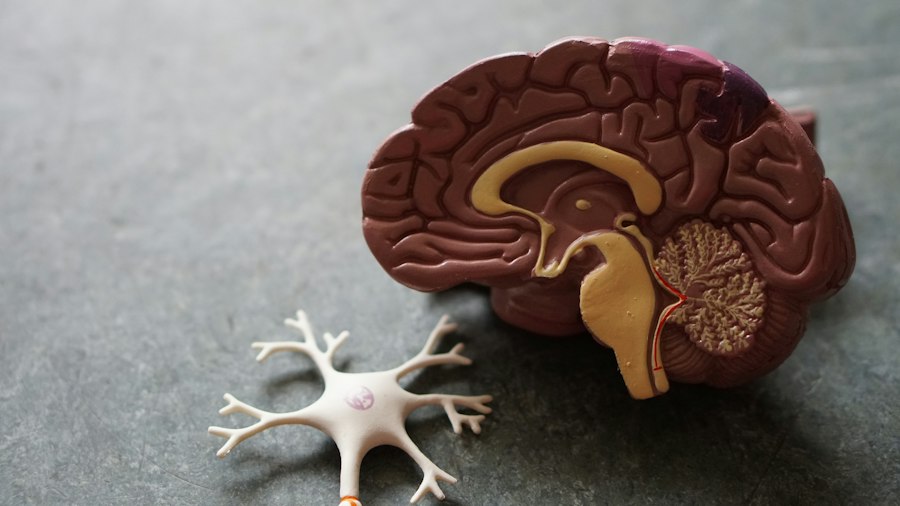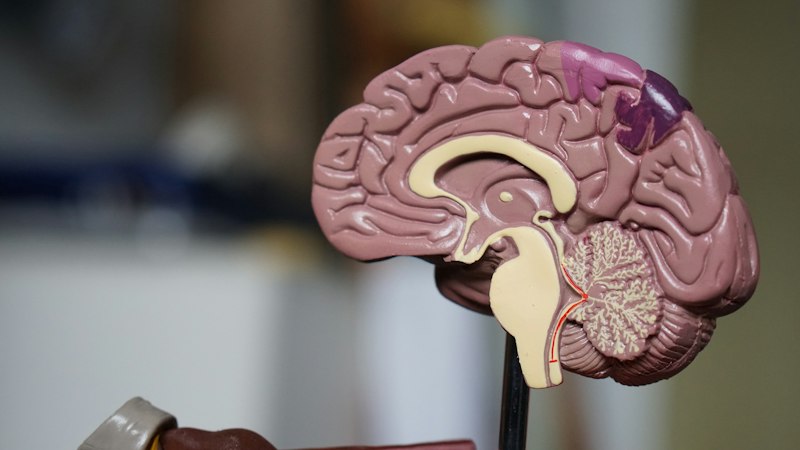

Obesity is not just a cardiovascular risk — it shrinks the brain, accelerates dementia, and increases stroke and pseudotumour cerebri risk. Dr. Anand Karnam explains the obesity-brain connection and the interventions that protect brain health.
Key Points
- Obesity accelerates brain ageing by up to 10 years — visible on MRI as reduced white matter integrity.
- Adipose tissue (especially abdominal fat) produces inflammatory cytokines that cross the blood-brain barrier.
- Obesity is associated with 1.5–2× increased risk of dementia and 2× the risk of stroke.
- Weight loss of 10% significantly improves cognitive function, sleep apnoea, and reduces BP and diabetes risk.
- Bariatric surgery improves cognitive function measurably in obese patients — linked to metabolic improvements.
10 years
of additional brain ageing associated with obesity on MRI studies
Source: NIH NIA
2×
higher stroke risk in adults with BMI >30
Source: AHA
10%
weight loss produces measurable improvement in cognitive performance
Source: Cochrane
"Every extra 5 kg of abdominal obesity adds inflammation, worsens insulin resistance, and disrupts sleep — all of which individually damage the brain. Maintaining healthy weight is not vanity — it is one of the most powerful neuroprotective actions available."
The brain-body fat connection is bidirectional and complex — the brain regulates appetite and body weight through hypothalamic circuits, while adipose tissue actively secretes hormones (adipokines) and inflammatory mediators that profoundly affect brain function. Obesity (BMI above 30) is associated with a broad range of neurological consequences — from subtle cognitive impairment to serious structural brain changes. Understanding these connections is increasingly urgent as India's obesity prevalence rises rapidly, with the mean age of obesity shifting younger.
How Obesity Damages the Brain
Cerebrovascular disease: Obesity drives hypertension, type 2 diabetes, dyslipidaemia, and sleep apnea — the four most important cerebrovascular risk factors. This cumulative cardiovascular risk translates into an increased rate of stroke (2–3 times higher risk), lacunar infarcts, and white matter disease. Neuroinflammation: Adipose tissue — particularly visceral (abdominal) fat — is metabolically active, secreting pro-inflammatory cytokines (TNF-alpha, IL-6, leptin) that cross the blood-brain barrier and drive chronic low-grade neuroinflammation. This neuroinflammation is thought to accelerate neurodegeneration. Brain atrophy: Multiple imaging studies show that obesity is associated with reduced grey matter volume — particularly in the prefrontal cortex, hippocampus, and cingulate cortex. A study of 9,652 brain MRI scans found significantly greater brain atrophy in overweight and obese adults compared to healthy weight peers. Insulin resistance in the brain: The brain is insulin-sensitive — insulin resistance reduces neuronal BDNF signalling, impairing synaptic plasticity and memory. Type 3 diabetes is the term now used to describe the insulin-resistant brain in Alzheimer's disease.
Idiopathic Intracranial Hypertension
IIH (pseudotumour cerebri) — raised CSF pressure without a structural cause — occurs almost exclusively in obese women of childbearing age and causes daily severe headache, pulsatile tinnitus, and visual field loss that can lead to permanent blindness. Weight loss of even 10% can normalise CSF pressure. For neurological assessment: Sri Anand CNC, Chanda Nagar, Hyderabad. Call +91 90633 66983.
Dr. Anand Karnam
DrNB Neurology · Sri Anand CNC, Chanda Nagar Hyderabad · Sri Anand Child and Neuro Center
DrNB-qualified Neurologist, Fellow of the World Headache Society (FWHS), and Headache Specialist with 12+ years of experience treating epilepsy, stroke, migraine, and movement disorders. Practices at Sri Anand Child and Neuro Center, Chanda Nagar, Hyderabad.
References & Sources
- 1.Obesity and Overweight — WHO Fact Sheet — World Health Organization
- 2.Brain Health — NIH NIA — NIH National Institute on Aging
- 3.Obesity — NIH MedlinePlus — NIH MedlinePlus
Health Information Standards
IMA — Indian Medical Association
Content follows IMA ethical guidelines for patient education
WHO — World Health Organization
Treatment information aligned with WHO clinical guidelines
MoHFW — Govt. of India — Ministry of Health
Follows MoHFW National Health Programme protocols
NMC — National Medical Commission
All doctors hold NMC-recognised qualifications (DrNB / MD / MPT)
All health tips and medical content on this website are written by qualified specialist doctors (DrNB / MD / MPT), follow the above guidelines, and are intended for general health education only. This content is original and evidence-based — not a substitute for professional medical advice. Always consult your doctor before making any health decisions.
Concerned about your health?
Talk to our specialist doctors directly — WhatsApp response within minutes during clinic hours.
Follow Sri Anand CNC — Health Education Videos
Dr. Anand Karnam and Dr. Sushma B regularly share health education videos, symptom guides, and wellness tips in Telugu and English — helping families in Hyderabad stay informed and healthy.
YouTube · Sri Anand Child and Neuro Center
Health education videos — neurological conditions, child health tips, physiotherapy exercises
Instagram · @srianandchildandneurocenter
Daily health tips, doctor reels, patient education in Telugu & English
Facebook · srianandchildandneurocenter
Latest health news, appointment reminders, and awareness posts
WhatsApp Channel · Sri Anand Health Tips
Subscribe for weekly health alerts, vaccine reminders, and neurological wellness tips