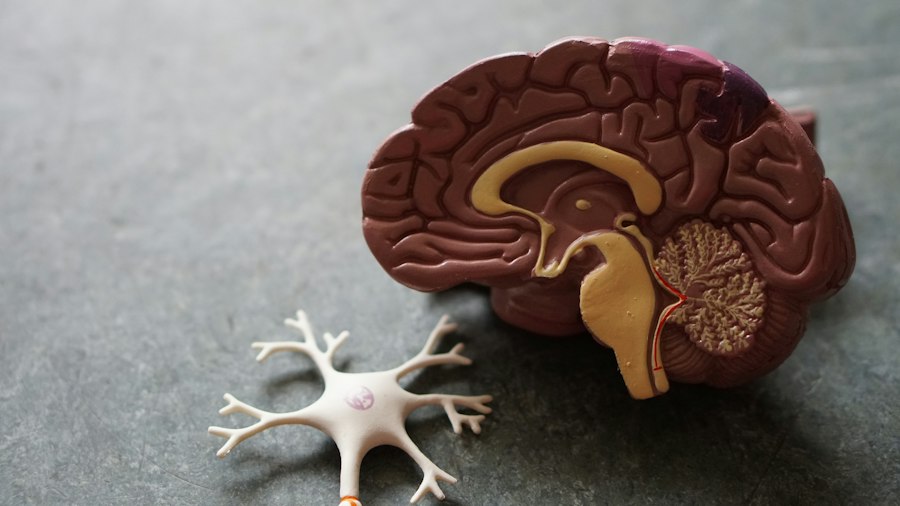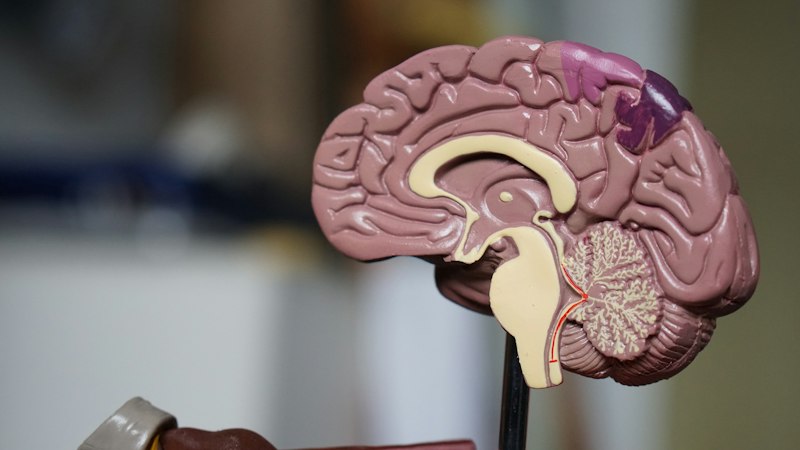

The brain begins to lose volume after age 30 at about 0.5% per year. But the rate of brain ageing is highly modifiable. Dr. Anand Karnam explains the science of brain ageing and the interventions with the strongest evidence.
Key Points
- The brain starts losing volume at 0.5% per year from age 30 — lifestyle choices dramatically influence this rate.
- Physical exercise is the most powerful brain-preservation tool — it promotes neurogenesis in the hippocampus.
- Chronic stress accelerates brain ageing through cortisol-mediated hippocampal atrophy.
- Social isolation increases dementia risk by 60% — connection is as important as cardiovascular health for the brain.
- Adequate sleep allows the glymphatic system to clear metabolic waste including amyloid — 7–8 hours is optimal.
0.5%/yr
normal brain volume loss from age 30 — exercise can reduce this
Source: NIH NIA
60%
higher dementia risk with social isolation
Source: Lancet 2020
45%
lower dementia risk in physically active older adults
Source: Cochrane
"Patients ask me how to keep their brain young. My prescription is simple and free: sleep 8 hours, exercise 30 minutes a day, stay socially connected, manage stress, and never stop learning. These changes show on MRI — literally shrinking the rate of brain atrophy."
The human brain reaches peak volume in the mid-20s and then begins a slow decline — losing approximately 0.2–0.5% of volume per year from age 30–40, accelerating to 0.5–1% per year after 60. This is reflected in cognitive changes: processing speed peaks at around 18–20 years; working memory and executive function peak in the 30s; only accumulated knowledge (crystallised intelligence) continues to grow with age. But this average trajectory is not destiny — large individual variation exists, driven primarily by lifestyle factors that either accelerate or slow brain ageing. A 70-year-old with excellent lifestyle habits can have the brain volume and cognitive performance of an average 55-year-old.
What Accelerates Brain Ageing
Hypertension: the single most important accelerator — chronic high blood pressure damages small blood vessels throughout the brain, causing white matter changes, lacunar infarcts, and cerebral atrophy. Diabetes: advanced glycation end products and insulin resistance impair neuronal function; diabetes doubles dementia risk. Sleep deprivation: during sleep, the glymphatic system clears metabolic waste products (including amyloid-beta, the Alzheimer's hallmark protein) from the brain — chronic poor sleep impairs this clearance. Chronic stress: sustained high cortisol damages the hippocampus (the brain's memory centre). Sedentary lifestyle, smoking, and social isolation all independently accelerate brain ageing.
What Slows Brain Ageing — Evidence-Based
Exercise: The strongest evidence of any single intervention. Aerobic exercise increases BDNF (brain-derived neurotrophic factor), promotes hippocampal neurogenesis, improves cerebrovascular health. 150 minutes moderate intensity per week reduces dementia risk by 30%. Blood pressure control: Treating hypertension to target (below 130/80) significantly reduces white matter lesion accumulation. Sleep: 7–8 hours consistent sleep; treat obstructive sleep apnea if present. Learning: Cognitive challenge builds reserve — learning a new language, instrument, or skill maintains neural connectivity. Social engagement: Loneliness is as strong a dementia risk factor as hypertension. Regular social interaction is protective. Mediterranean diet: High in olive oil, fish, vegetables, legumes, nuts; associated with slower cognitive decline and reduced Alzheimer's risk. Sri Anand CNC, Chanda Nagar, Hyderabad. Call +91 90633 66983.
Dr. Anand Karnam
DrNB Neurology · Sri Anand CNC, Chanda Nagar Hyderabad · Sri Anand Child and Neuro Center
DrNB-qualified Neurologist, Fellow of the World Headache Society (FWHS), and Headache Specialist with 12+ years of experience treating epilepsy, stroke, migraine, and movement disorders. Practices at Sri Anand Child and Neuro Center, Chanda Nagar, Hyderabad.
References & Sources
- 1.Dementia Prevention — WHO — World Health Organization
- 2.Brain Health — NIH NIA — NIH National Institute on Aging
- 3.Modifiable Risk Factors — Lancet Commission 2020 — The Lancet
Health Information Standards
IMA — Indian Medical Association
Content follows IMA ethical guidelines for patient education
WHO — World Health Organization
Treatment information aligned with WHO clinical guidelines
MoHFW — Govt. of India — Ministry of Health
Follows MoHFW National Health Programme protocols
NMC — National Medical Commission
All doctors hold NMC-recognised qualifications (DrNB / MD / MPT)
All health tips and medical content on this website are written by qualified specialist doctors (DrNB / MD / MPT), follow the above guidelines, and are intended for general health education only. This content is original and evidence-based — not a substitute for professional medical advice. Always consult your doctor before making any health decisions.
Concerned about your health?
Talk to our specialist doctors directly — WhatsApp response within minutes during clinic hours.
Follow Sri Anand CNC — Health Education Videos
Dr. Anand Karnam and Dr. Sushma B regularly share health education videos, symptom guides, and wellness tips in Telugu and English — helping families in Hyderabad stay informed and healthy.
YouTube · Sri Anand Child and Neuro Center
Health education videos — neurological conditions, child health tips, physiotherapy exercises
Instagram · @srianandchildandneurocenter
Daily health tips, doctor reels, patient education in Telugu & English
Facebook · srianandchildandneurocenter
Latest health news, appointment reminders, and awareness posts
WhatsApp Channel · Sri Anand Health Tips
Subscribe for weekly health alerts, vaccine reminders, and neurological wellness tips