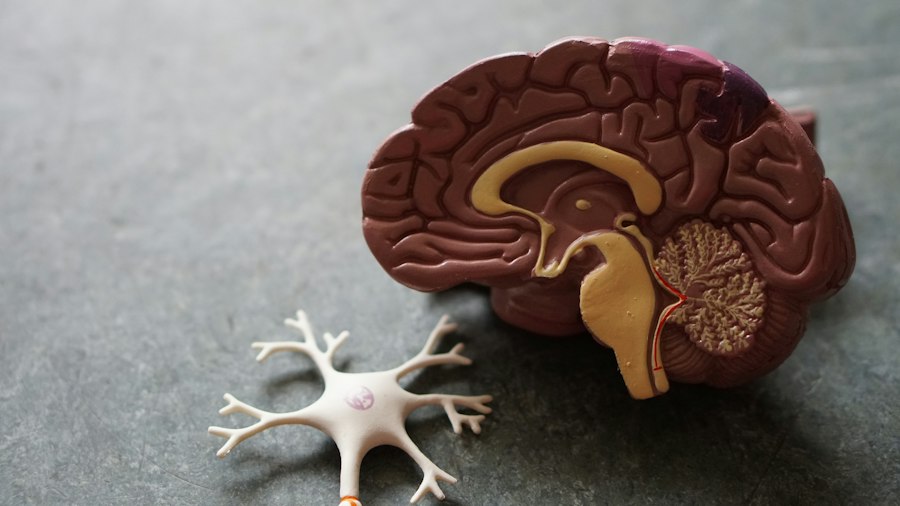

The decade after 40 is when lifestyle choices most powerfully determine whether you develop dementia at 70 — or not. Dr. Anand Karnam provides a practical, evidence-based guide to brain health in midlife.
Key Points
- Brain volume starts declining from age 30 at 0.5%/year — but lifestyle choices from age 40 significantly slow this.
- The 40s and 50s are the most critical decade for dementia prevention — midlife risk factors have the greatest impact.
- Hearing loss, social isolation, hypertension, and inactivity are the highest-impact modifiable risks in midlife.
- Learning new skills after 40 (language, musical instrument, complex craft) builds cognitive reserve.
- Sleep quality often declines after 40 — prioritising 7–8 hours becomes more important, not less.
40s–50s
most impactful decade for dementia prevention — midlife risk factors dominate
Source: Lancet 2020
35%
of dementia risk attributable to midlife factors: hypertension, obesity, hearing loss
Source: Lancet 2020
9 years
delay in dementia symptom onset achievable with high cognitive reserve
Source: NIH NIA
"The patients who age best neurologically are not the ones who start worrying about their brain at 70 — they are the ones who were exercising, sleeping well, managing their blood pressure, and staying mentally active at 40. The seeds of brain health are planted in middle age."
The Lancet Commission on Dementia Prevention (2020) estimated that approximately 40% of dementia cases worldwide are potentially preventable by addressing modifiable risk factors — and that midlife (ages 40–65) is the most critical window for intervention. The pathological changes of Alzheimer's disease begin in the brain 15–20 years before symptoms appear — meaning that actions taken in your 40s and 50s directly determine brain health in your 60s and 70s. The choices made in midlife are the most powerful determinants of cognitive fate.
The 12 Modifiable Risk Factors (Lancet Commission)
In descending order of population-attributable risk: Education (less than 12 years of education — increases risk; builds cognitive reserve); hypertension in midlife (the most modifiable vascular risk factor — control BP below 130/80 from age 40); hearing impairment (untreated hearing loss in midlife increases dementia risk significantly — hearing aids are protective); smoking (cessation at any age reduces risk); obesity; depression (treat adequately); physical inactivity; diabetes; low social contact; excessive alcohol; head injury (wear a helmet, use seatbelts); air pollution.
Practical Actions for Brain Health After 40
Know your blood pressure and control it: Have it measured every 6 months; target below 130/80. This single intervention may prevent more dementia than any other. Exercise daily: 30–45 minutes of brisk walking or any aerobic activity, 5 days per week. Start now — even modest fitness improvements produce neurological benefit. Sleep 7–8 hours: Prioritise sleep as a non-negotiable health behaviour, not a luxury. Treat sleep apnea if present. Manage cardiovascular risk: HbA1c and lipid check annually after 40; manage diabetes and cholesterol proactively. Stay mentally engaged: Learn a new skill, instrument, or language; read widely; pursue intellectually challenging work and hobbies. Maintain social connections: Regular meaningful social interaction is independently protective — prioritise relationships. Protect your hearing: Use ear protection at concerts and in noisy environments; have hearing tested from age 50. Sri Anand CNC, Chanda Nagar, Hyderabad. Call +91 90633 66983.
Dr. Anand Karnam
DrNB Neurology · Sri Anand CNC, Chanda Nagar Hyderabad · Sri Anand Child and Neuro Center
DrNB-qualified Neurologist, Fellow of the World Headache Society (FWHS), and Headache Specialist with 12+ years of experience treating epilepsy, stroke, migraine, and movement disorders. Practices at Sri Anand Child and Neuro Center, Chanda Nagar, Hyderabad.
References & Sources
- 1.Brain Health and Ageing — NIH NIA — NIH National Institute on Aging
- 2.Dementia Prevention — WHO — World Health Organization
- 3.Modifiable Risk Factors — Lancet Commission 2020 — The Lancet
Health Information Standards
IMA — Indian Medical Association
Content follows IMA ethical guidelines for patient education
WHO — World Health Organization
Treatment information aligned with WHO clinical guidelines
MoHFW — Govt. of India — Ministry of Health
Follows MoHFW National Health Programme protocols
NMC — National Medical Commission
All doctors hold NMC-recognised qualifications (DrNB / MD / MPT)
All health tips and medical content on this website are written by qualified specialist doctors (DrNB / MD / MPT), follow the above guidelines, and are intended for general health education only. This content is original and evidence-based — not a substitute for professional medical advice. Always consult your doctor before making any health decisions.
Concerned about your health?
Talk to our specialist doctors directly — WhatsApp response within minutes during clinic hours.
Follow Sri Anand CNC — Health Education Videos
Dr. Anand Karnam and Dr. Sushma B regularly share health education videos, symptom guides, and wellness tips in Telugu and English — helping families in Hyderabad stay informed and healthy.
YouTube · Sri Anand Child and Neuro Center
Health education videos — neurological conditions, child health tips, physiotherapy exercises
Instagram · @srianandchildandneurocenter
Daily health tips, doctor reels, patient education in Telugu & English
Facebook · srianandchildandneurocenter
Latest health news, appointment reminders, and awareness posts
WhatsApp Channel · Sri Anand Health Tips
Subscribe for weekly health alerts, vaccine reminders, and neurological wellness tips