When a cricket ball or fall hits the back of the head, the consequences can be far more severe than a fall on the face. Dr. Anand Karnam explains the science behind why backward head impacts are particularly dangerous.
Key Points
- Neurological symptoms often have identifiable, treatable causes — early evaluation changes outcomes.
- A detailed history and clinical examination by a neurologist is the most valuable diagnostic tool.
- Modern neuroimaging (MRI) and electrophysiology (EEG, NCS) enable precise diagnosis without invasive procedures.
- Most neurological conditions respond to treatment — complete cure or significant improvement is achievable for many.
- Preventive neurology — managing blood pressure, exercise, sleep, and diet — protects brain health for decades.
1 in 3
people will have a significant neurological condition in their lifetime
Source: WHO
80%
of strokes are preventable with lifestyle and medical management
Source: WHO
70%
of epilepsy patients achieve seizure freedom with the right medication
Source: WHO
"Every neurological symptom tells a story about the brain or nervous system. My job is to listen carefully, examine thoroughly, and use targeted investigations to decode that story — then find the most effective treatment."
The 2024 IPL season saw a terrifying moment when a fielder took a blow to the back of the head after a hard fall. While the player was seen walking off the field, such incidents raise an important and underappreciated question: why are impacts and falls to the back of the head often more serious than falls forward?
Dr. Anand Karnam, Neurologist at Sri Anand CNC, explains the anatomy that makes backward head impacts particularly dangerous — and what families and coaches should watch for after any sports head injury.
The Anatomy of a Backward Head Impact
When you fall backward and hit the back of the head (the occipital region), two things happen:
- Direct injury at the impact site: The bone and underlying brain tissue at the back of the head absorb the impact
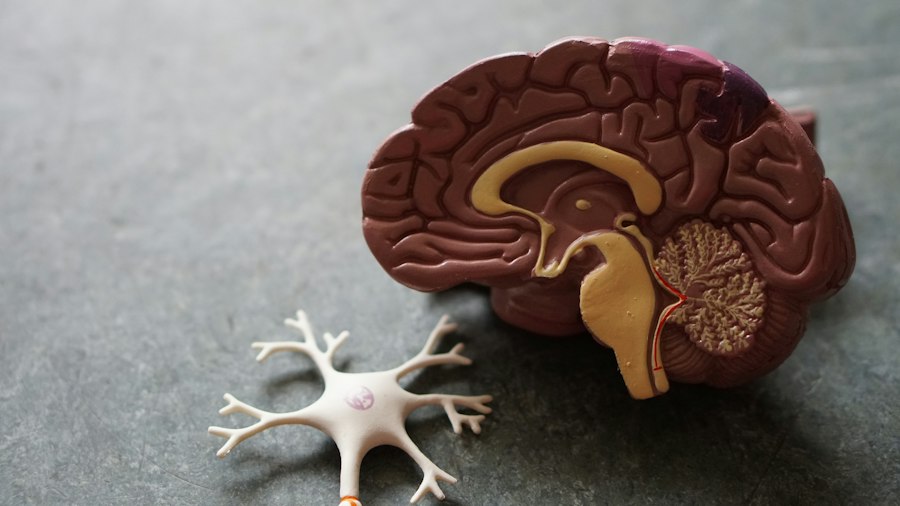
- Contrecoup injury at the front: More importantly, the brain — floating in cerebrospinal fluid inside the skull — continues moving forward after the skull stops. The frontal lobes slam against the rough, ridged bony surface at the front of the skull (the anterior cranial fossa). This frontal contrecoup injury is often more damaging than the direct occipital impact
In a forward fall, the same principle applies in reverse — but the front of the skull is smoother, and the frontal lobes receive a direct blow rather than a contrecoup (which is why frontal falls tend to show more dramatic external injuries but less internal damage).
What Structures Are at Risk in a Backward Fall
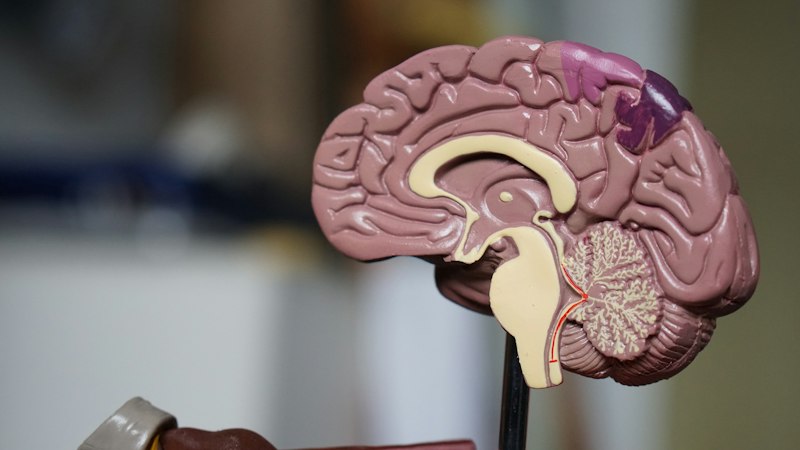
Occipital Lobe and Vision
The occipital lobe — at the very back of the brain — is responsible for visual processing. A direct blow here can cause visual disturbances, flashing lights, or visual field loss. Fortunately, the occipital bone is relatively thick and protective.
Cerebellum and Brainstem
Directly beneath the occipital bone lie the cerebellum (coordination and balance) and the brainstem (consciousness, breathing, heart rate). These are critical structures in a very confined space. A haematoma (blood clot) developing in the posterior fossa (back of the skull) can compress the brainstem with fatal consequences — and may do so without clear warning signs until critically late.
Extradural Haematoma — The "Walk and Die" Scenario
One of the most dangerous patterns after any head impact — but particularly posterior impacts — is the extradural haematoma. The patient may walk off the field apparently fine, then deteriorate rapidly over the next 1–6 hours as blood accumulates between the skull and the dura (the outer brain lining), compressing the brain.
The classic "lucid interval" — where the patient seems fine after the injury, then loses consciousness hours later — is the hallmark of extradural haematoma. It is a neurosurgical emergency. The outcome is almost always good with prompt surgery, and almost always catastrophic if missed.
Red Flag Signs After Any Head Impact in Sport
Any player who sustains a head impact — backward fall, ball to the head, collision — must be removed from play and assessed. Return to play immediately after a head impact is never acceptable. Warning signs requiring emergency hospital attendance:
- Loss of consciousness — even brief
- Confusion or disorientation — not knowing the score, date, or what happened
- Headache that is worsening over time (not improving)
- Vomiting — especially repeated vomiting
- Seizure after impact
- Weakness, numbness, or visual changes
- Unequal pupils
- Difficulty walking or significant imbalance
Even without these signs, any significant head impact should result in same-day neurological review and rest from physical activity for at least 24 hours.
Cricket-Specific Risks and Helmet Rules
Batting helmets have dramatically reduced direct skull fractures and facial injuries in cricket. However, the helmet does not prevent the brain's movement inside the skull — contrecoup injury and diffuse axonal injury can still occur even with a helmet. A ball at 140+ kmph creates enormous decelerative forces when it hits the helmet.
The ICC and BCCI concussion protocols now require mandatory assessment after any direct head impact — a ball to the helmet, a collision, or a hard fall — and replacement players are permitted when concussion is diagnosed. These rules exist for very good reason.
For head injury assessment and post-concussion evaluation: Sri Anand CNC, Chanda Nagar, Hyderabad. Dr. Anand Karnam. Call +91 90633 66983.
Dr. Anand Karnam
DrNB Neurology · Sri Anand CNC, Chanda Nagar Hyderabad · Sri Anand Child and Neuro Center
DrNB-qualified Neurologist, Fellow of the World Headache Society (FWHS), and Headache Specialist with 12+ years of experience treating epilepsy, stroke, migraine, and movement disorders. Practices at Sri Anand Child and Neuro Center, Chanda Nagar, Hyderabad.
References & Sources
- 1.Neurological Disorders — WHO — World Health Organization
- 2.Neurology — NIH MedlinePlus — NIH MedlinePlus
- 3.AAN Clinical Practice Guidelines — American Academy of Neurology
Health Information Standards
IMA — Indian Medical Association
Content follows IMA ethical guidelines for patient education
WHO — World Health Organization
Treatment information aligned with WHO clinical guidelines
MoHFW — Govt. of India — Ministry of Health
Follows MoHFW National Health Programme protocols
NMC — National Medical Commission
All doctors hold NMC-recognised qualifications (DrNB / MD / MPT)
All health tips and medical content on this website are written by qualified specialist doctors (DrNB / MD / MPT), follow the above guidelines, and are intended for general health education only. This content is original and evidence-based — not a substitute for professional medical advice. Always consult your doctor before making any health decisions.
Concerned about your health?
Talk to our specialist doctors directly — WhatsApp response within minutes during clinic hours.
Follow Sri Anand CNC — Health Education Videos
Dr. Anand Karnam and Dr. Sushma B regularly share health education videos, symptom guides, and wellness tips in Telugu and English — helping families in Hyderabad stay informed and healthy.
YouTube · Sri Anand Child and Neuro Center
Health education videos — neurological conditions, child health tips, physiotherapy exercises
Instagram · @srianandchildandneurocenter
Daily health tips, doctor reels, patient education in Telugu & English
Facebook · srianandchildandneurocenter
Latest health news, appointment reminders, and awareness posts
WhatsApp Channel · Sri Anand Health Tips
Subscribe for weekly health alerts, vaccine reminders, and neurological wellness tips