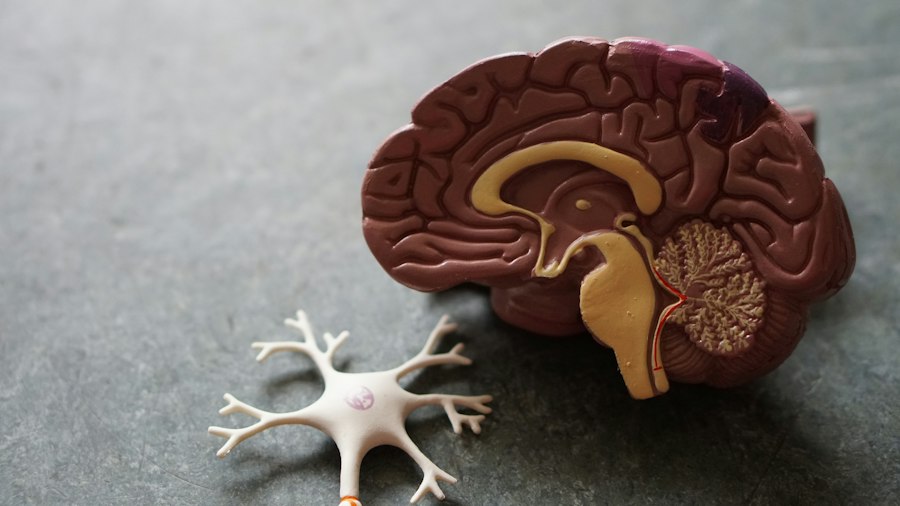

Waking up unable to move, with a feeling of a presence in the room, is sleep paralysis — a benign but terrifying REM sleep intrusion. Dr. Anand Karnam explains the neuroscience, the cultural myths, and when it indicates narcolepsy.
Key Points
- Sleep paralysis is temporary inability to move when falling asleep or waking up — conscious but unable to speak or move.
- It occurs during REM sleep transition — normal muscle atonia that the conscious brain briefly experiences.
- Hallucinations (seeing figures, feeling pressure on the chest) are common — they are part of the REM dreaming state.
- It is not dangerous — it resolves spontaneously within seconds to minutes.
- Frequent sleep paralysis can be a feature of narcolepsy — if it occurs with sudden daytime muscle weakness, investigate.
8%
of the general population experiences sleep paralysis regularly
Source: NCBI
30–60 sec
typical duration of a sleep paralysis episode
Source: NHS
1 in 2,000
of sleep paralysis sufferers have underlying narcolepsy
Source: NCBI
"Sleep paralysis is genuinely terrifying the first time — patients describe feeling a presence in the room, pressure on the chest, inability to scream. I explain the neuroscience: it's the dream state overlapping with wakefulness. It is harmless, though I understand why it feels otherwise."
Sleep paralysis is the terrifying experience of waking from sleep (or falling asleep) while being completely unable to move — typically lasting seconds to a few minutes. The person is conscious and aware of their surroundings but cannot speak or move any voluntary muscle. Many experience intense fear, a feeling of pressure on the chest, and a sense of a threatening presence in the room. Across many cultures — including Indian ones — sleep paralysis has been attributed to supernatural causes (ghosts sitting on the chest, demonic possession). The neurological explanation is elegant and completely benign in isolated occurrences.
The Neuroscience of Sleep Paralysis
During REM (dreaming) sleep, the brain actively paralyses the voluntary muscles — this is normal and prevents people from acting out their dreams (REM atonia). In sleep paralysis, this REM atonia persists briefly as the person transitions from sleep to wakefulness. The brain is awake but the body remains paralysed in the REM state. The vivid, threatening hallucinations accompanying sleep paralysis are dream imagery intruding into the waking state — again, a feature of REM sleep.
Causes and Risk Factors
Sleep deprivation (the most important risk factor); irregular sleep schedules; sleeping on the back (supine position); stress and anxiety; narcolepsy (sleep paralysis is a core symptom — indicates an investigation should be done if frequent). Sleep paralysis runs in families — genetic predisposition exists.
Management
Isolated sleep paralysis (not associated with narcolepsy): regular sleep schedule; 7–9 hours of sleep; avoid sleeping on the back; reduce stress. During an episode: try to move the eyes, fingers, or toes — small movements break the paralytic state. If frequent and distressing, clomipramine or REM-suppressant medications under neurological guidance. Sri Anand CNC, Chanda Nagar, Hyderabad. Call +91 90633 66983.
Dr. Anand Karnam
DrNB Neurology · Sri Anand CNC, Chanda Nagar Hyderabad · Sri Anand Child and Neuro Center
DrNB-qualified Neurologist, Fellow of the World Headache Society (FWHS), and Headache Specialist with 12+ years of experience treating epilepsy, stroke, migraine, and movement disorders. Practices at Sri Anand Child and Neuro Center, Chanda Nagar, Hyderabad.
References & Sources
- 1.Sleep Paralysis — NCBI StatPearls — NCBI StatPearls
- 2.Sleep Paralysis — NHS — NHS UK
- 3.Sleep Disorders — NIH MedlinePlus — NIH MedlinePlus
Health Information Standards
IMA — Indian Medical Association
Content follows IMA ethical guidelines for patient education
WHO — World Health Organization
Treatment information aligned with WHO clinical guidelines
MoHFW — Govt. of India — Ministry of Health
Follows MoHFW National Health Programme protocols
NMC — National Medical Commission
All doctors hold NMC-recognised qualifications (DrNB / MD / MPT)
All health tips and medical content on this website are written by qualified specialist doctors (DrNB / MD / MPT), follow the above guidelines, and are intended for general health education only. This content is original and evidence-based — not a substitute for professional medical advice. Always consult your doctor before making any health decisions.
Concerned about your health?
Talk to our specialist doctors directly — WhatsApp response within minutes during clinic hours.
Follow Sri Anand CNC — Health Education Videos
Dr. Anand Karnam and Dr. Sushma B regularly share health education videos, symptom guides, and wellness tips in Telugu and English — helping families in Hyderabad stay informed and healthy.
YouTube · Sri Anand Child and Neuro Center
Health education videos — neurological conditions, child health tips, physiotherapy exercises
Instagram · @srianandchildandneurocenter
Daily health tips, doctor reels, patient education in Telugu & English
Facebook · srianandchildandneurocenter
Latest health news, appointment reminders, and awareness posts
WhatsApp Channel · Sri Anand Health Tips
Subscribe for weekly health alerts, vaccine reminders, and neurological wellness tips