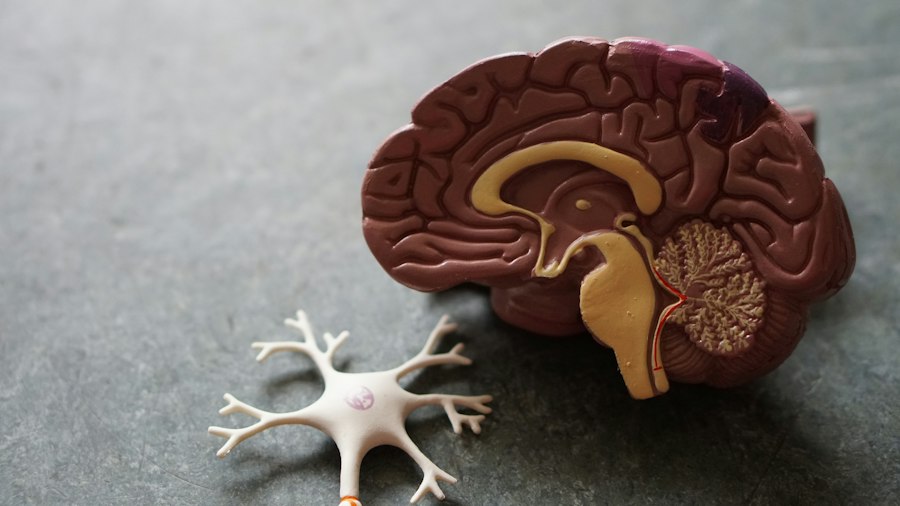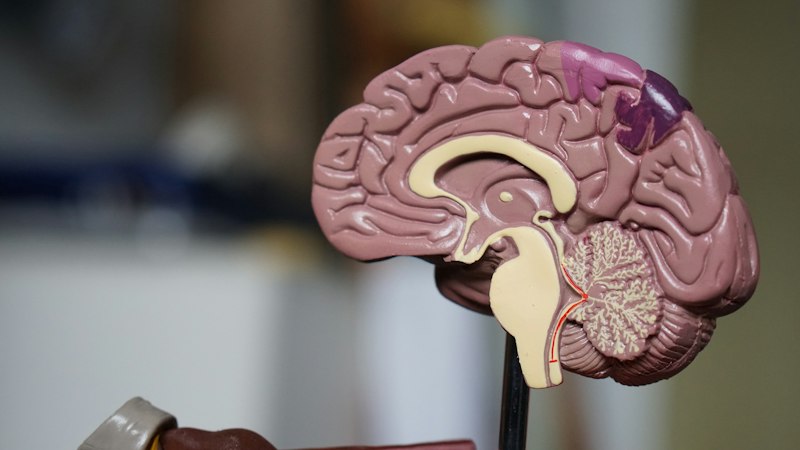

The vomiting centre is in the brainstem — not the stomach. Nausea from raised intracranial pressure, stroke, or brain tumour is often mistaken for food poisoning. Dr. Anand Karnam explains when to worry about vomiting.
Key Points
- Neurological causes of vomiting: raised intracranial pressure, vestibular disorders (BPPV, Menière's), and migraine.
- Vomiting without nausea that occurs on waking (projectile) is a classic sign of raised intracranial pressure.
- Cyclical vomiting syndrome in children follows a migraine-like pattern — bilious, recurrent, stereotyped episodes.
- Motion sickness (kinetosis) is a vestibular-visual mismatch — anti-histamines and ginger provide modest relief.
- Persistent vomiting with headache, confusion, or visual symptoms requires neurological assessment.
70%
of migraine sufferers experience nausea with their headaches
Source: WHO
30%
of children with cyclic vomiting syndrome have a first-degree relative with migraine
Source: AAP
1 in 50
persistent vomiting cases in children have a neurological cause
Source: NCBI
"Vomiting that wakes a child from sleep, or projectile vomiting with headache on waking, is the brain's distress signal. The pattern — morning, projectile, improving through the day — is textbook raised intracranial pressure until proven otherwise."
Most vomiting is gastrointestinal — food poisoning, gastroenteritis, gastritis. But the vomiting centre (the area postrema and nucleus tractus solitarius in the brainstem) is a brain structure — and vomiting is a neurological symptom just as much as a gastrointestinal one. Raised intracranial pressure, posterior fossa tumours, brainstem stroke, and migraine all cause vomiting through direct activation of the brain's vomiting centre. Failing to recognise neurological vomiting causes dangerous diagnostic delays.
Features of Neurological Vomiting — Red Flags
Morning vomiting on waking: Intracranial pressure is highest in the morning (due to CO2 accumulation during sleep causing cerebral vasodilation). Vomiting that consistently occurs on waking — particularly without nausea, projectile in nature — is a classic sign of raised intracranial pressure. This feature in any patient should trigger urgent CT brain.
Projectile vomiting without nausea: Neurological vomiting can be sudden and forceful without preceding nausea — because it is driven by direct brainstem activation rather than the cortical nausea pathway. Gastrointestinal vomiting almost always has nausea first.
Vomiting associated with headache: The combination of new headache + vomiting always requires neurological consideration. Migraine produces this pattern — but so does raised intracranial pressure from any cause.
Vomiting associated with vertigo: Brainstem or cerebellar pathology produces both vertigo and vomiting. Vestibular neuritis and BPPV cause vertigo with vomiting — but so do posterior fossa strokes and tumours.
Cyclic vomiting in children: Recurrent stereotyped episodes of vomiting lasting hours with pain-free intervals — cyclic vomiting syndrome — is now understood to be a migraine variant in many children. Investigation including EEG and MRI may be appropriate to exclude other causes.
When to Go to Emergency for Vomiting
- Vomiting with the worst headache of your life — thunderclap headache (subarachnoid haemorrhage)
- Vomiting with fever and neck stiffness (meningitis)
- Vomiting with focal neurological symptoms: weakness, visual change, speech difficulty
- Vomiting specifically on waking, persisting for days
- Vomiting in a head injury patient — a red flag for rising intracranial pressure
For neurological evaluation: Sri Anand CNC, Chanda Nagar, Hyderabad. Call +91 90633 66983.
Dr. Anand Karnam
DrNB Neurology · Sri Anand CNC, Chanda Nagar Hyderabad · Sri Anand Child and Neuro Center
DrNB-qualified Neurologist, Fellow of the World Headache Society (FWHS), and Headache Specialist with 12+ years of experience treating epilepsy, stroke, migraine, and movement disorders. Practices at Sri Anand Child and Neuro Center, Chanda Nagar, Hyderabad.
References & Sources
- 1.Nausea and Vomiting — NCBI StatPearls — NCBI StatPearls
- 2.Nausea and Vomiting — NIH MedlinePlus — NIH MedlinePlus
- 3.Dizziness — NHS — NHS UK
Health Information Standards
IMA — Indian Medical Association
Content follows IMA ethical guidelines for patient education
WHO — World Health Organization
Treatment information aligned with WHO clinical guidelines
MoHFW — Govt. of India — Ministry of Health
Follows MoHFW National Health Programme protocols
NMC — National Medical Commission
All doctors hold NMC-recognised qualifications (DrNB / MD / MPT)
All health tips and medical content on this website are written by qualified specialist doctors (DrNB / MD / MPT), follow the above guidelines, and are intended for general health education only. This content is original and evidence-based — not a substitute for professional medical advice. Always consult your doctor before making any health decisions.
Concerned about your health?
Talk to our specialist doctors directly — WhatsApp response within minutes during clinic hours.
Follow Sri Anand CNC — Health Education Videos
Dr. Anand Karnam and Dr. Sushma B regularly share health education videos, symptom guides, and wellness tips in Telugu and English — helping families in Hyderabad stay informed and healthy.
YouTube · Sri Anand Child and Neuro Center
Health education videos — neurological conditions, child health tips, physiotherapy exercises
Instagram · @srianandchildandneurocenter
Daily health tips, doctor reels, patient education in Telugu & English
Facebook · srianandchildandneurocenter
Latest health news, appointment reminders, and awareness posts
WhatsApp Channel · Sri Anand Health Tips
Subscribe for weekly health alerts, vaccine reminders, and neurological wellness tips