143,000 viewers searched this question. Fatty liver disease is reversible — but only with the right dietary changes. Dr. Anand Karnam explains which 4 foods to cut first for liver recovery.
Key Points
- Preventive medicine — regular check-ups, knowing your numbers (BP, sugar, cholesterol) — prevents most common serious diseases.
- The most powerful health interventions remain free: regular exercise, sufficient sleep, healthy diet, and not smoking.
- A family physician who knows your history and monitors trends over years provides irreplaceable continuity of care.
- Mental health is as important as physical health — depression and anxiety significantly affect every chronic disease outcome.
- Health literacy — understanding your conditions, medications, and when to seek help — significantly improves outcomes.
80%
of premature deaths from non-communicable diseases are preventable
Source: WHO
150 min
of moderate exercise per week — reduces all-cause mortality by 30%
Source: WHO
7 years
longer life expectancy for non-smokers vs smokers
Source: WHO
"The patients who live longest and healthiest are not always the ones who see doctors most — they are the ones who understand their own bodies, make consistent healthy choices, and seek help promptly when something changes."
Non-alcoholic fatty liver disease (NAFLD) affects approximately 1 in 3 adults in India — making it one of the most common chronic conditions in Hyderabad. The reassuring truth: fatty liver in its early stages (steatosis without fibrosis) is completely reversible with dietary and lifestyle changes. The discouraging truth: most people make the wrong changes, or not enough change, and the liver continues to deteriorate toward cirrhosis.
What Is Fatty Liver?
Fatty liver is diagnosed when more than 5% of liver cells are infiltrated with fat droplets. It is detected on ultrasound abdomen (a "bright" or "echogenic" liver) or incidentally during blood tests showing elevated ALT/AST liver enzymes. In NAFLD, no significant alcohol intake is involved — the fatty liver is driven by diet, obesity, insulin resistance, and metabolic syndrome.
4 Foods to Stop for Liver Recovery
1. Refined sugar and sugary drinks: Fructose — found in table sugar, high-fructose corn syrup, and fruit juices — is metabolised exclusively in the liver and directly converted to liver fat. This includes: cold drinks (Coke, Pepsi, packaged juices), sweets, biscuits, white bread, and anything with added sugar.
2. Refined white rice in large quantities: High glycaemic index foods spike insulin rapidly, driving fat storage in the liver. Reduce portion size, switch to small-grain/red rice, and add protein and vegetables to every meal to blunt the glucose spike.
3. Fried and ultra-processed foods: Pakoras, samosas, chips, instant noodles — trans fats and saturated fats directly promote liver inflammation and fibrosis progression.
4. Alcohol (if applicable): Even "social" drinking adds significant liver fat burden on top of dietary fat accumulation. For established fatty liver, alcohol abstinence is non-negotiable.
What Actually Helps
- Weight loss of 7–10% of body weight produces the most significant reduction in liver fat — even modest weight loss makes a measurable difference on ultrasound within 3–6 months
- Exercise: 150–200 minutes per week of moderate-intensity activity reduces liver fat independently of weight loss
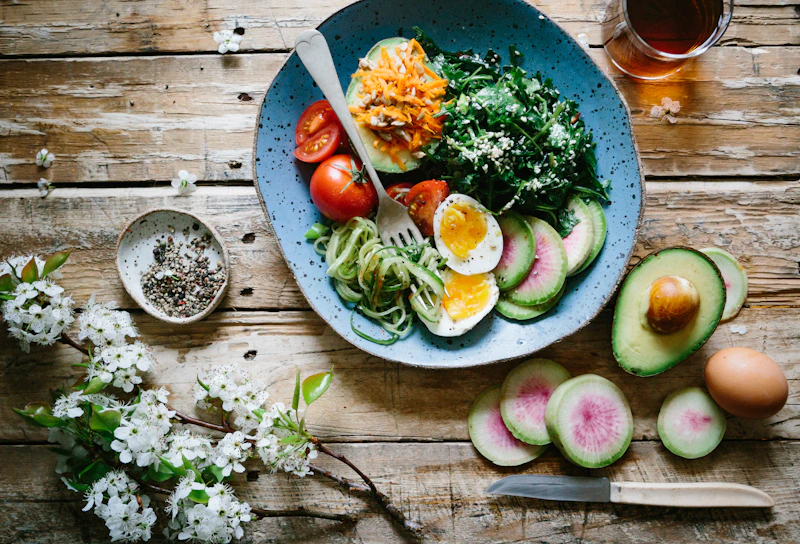
- High-fibre foods: Vegetables, legumes, whole grains — slow glucose absorption and reduce insulin spikes
- Coffee (without added sugar): 2 cups of plain black coffee daily is associated with reduced liver fibrosis in multiple studies
For fatty liver assessment, LFT monitoring, and management: Sri Anand CNC, Chanda Nagar, Hyderabad. Call +91 90633 66983.
Dr. Anand Karnam
DrNB Neurology · Sri Anand CNC, Chanda Nagar Hyderabad · Sri Anand Child and Neuro Center
DrNB-qualified Neurologist, Fellow of the World Headache Society (FWHS), and Headache Specialist with 12+ years of experience treating epilepsy, stroke, migraine, and movement disorders. Practices at Sri Anand Child and Neuro Center, Chanda Nagar, Hyderabad.
References & Sources
- 1.Primary Health Care — WHO — World Health Organization
- 2.Health Information — NIH MedlinePlus — NIH MedlinePlus
- 3.Healthy Living — NHS — NHS UK
Health Information Standards
IMA — Indian Medical Association
Content follows IMA ethical guidelines for patient education
WHO — World Health Organization
Treatment information aligned with WHO clinical guidelines
MoHFW — Govt. of India — Ministry of Health
Follows MoHFW National Health Programme protocols
NMC — National Medical Commission
All doctors hold NMC-recognised qualifications (DrNB / MD / MPT)
All health tips and medical content on this website are written by qualified specialist doctors (DrNB / MD / MPT), follow the above guidelines, and are intended for general health education only. This content is original and evidence-based — not a substitute for professional medical advice. Always consult your doctor before making any health decisions.
Concerned about your health?
Talk to our specialist doctors directly — WhatsApp response within minutes during clinic hours.
Follow Sri Anand CNC — Health Education Videos
Dr. Anand Karnam and Dr. Sushma B regularly share health education videos, symptom guides, and wellness tips in Telugu and English — helping families in Hyderabad stay informed and healthy.
YouTube · Sri Anand Child and Neuro Center
Health education videos — neurological conditions, child health tips, physiotherapy exercises
Instagram · @srianandchildandneurocenter
Daily health tips, doctor reels, patient education in Telugu & English
Facebook · srianandchildandneurocenter
Latest health news, appointment reminders, and awareness posts
WhatsApp Channel · Sri Anand Health Tips
Subscribe for weekly health alerts, vaccine reminders, and neurological wellness tips