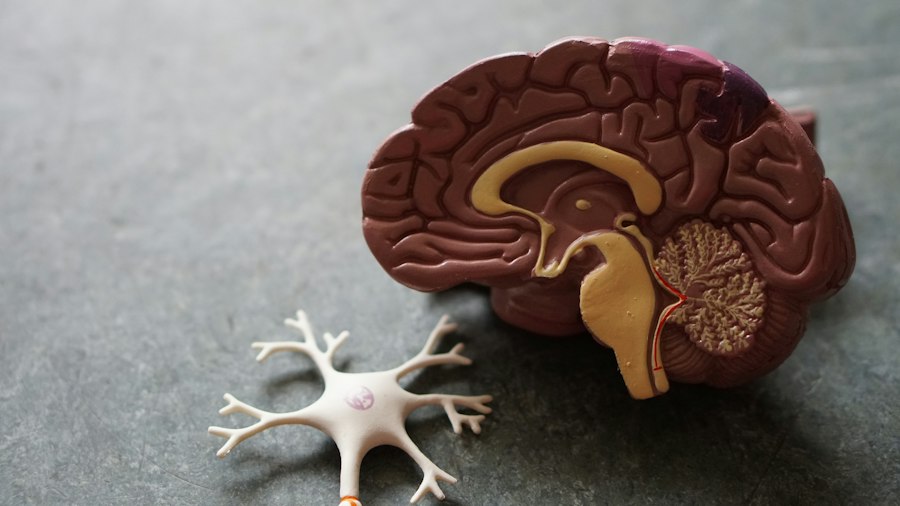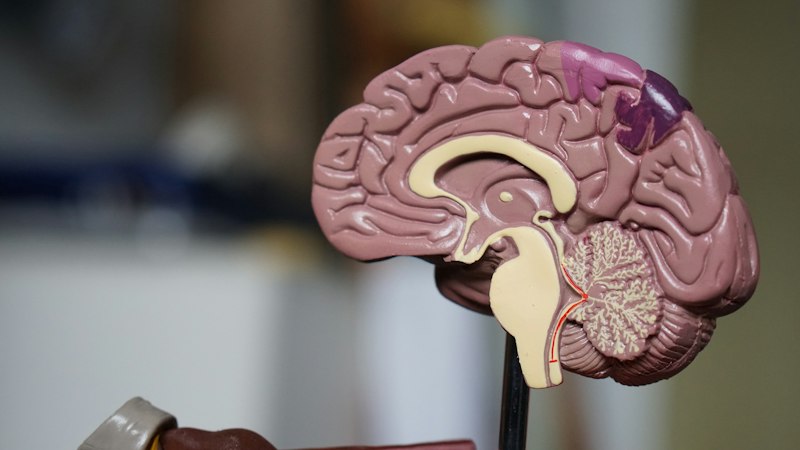
A brain hemorrhage is bleeding inside or around the brain — a life-threatening emergency. Dr. Anand Karnam explains the types, warning signs, and what happens in the critical first hours.
Key Points
- Intracerebral haemorrhage (ICH) accounts for 13% of strokes — caused by rupture of a small artery within the brain.
- Presenting features: sudden severe headache, rapidly progressive neurological deficit, vomiting, and reduced consciousness.
- CT scan immediately identifies the haemorrhage, volume, and location — guides prognosis and management.
- Hypertension is the most common cause — blood pressure control is the most important treatment intervention.
- Surgical evacuation benefits only specific locations and sizes — most ICH is managed medically.
13%
of strokes are haemorrhagic — but 40% of stroke mortality
Source: WHO
40%
30-day mortality for intracerebral haemorrhage
Source: AHA
#1 cause
of ICH worldwide: hypertension — preventable with BP control
Source: WHO
"A haemorrhagic stroke is not the same as an ischaemic stroke — giving aspirin or clot-busting drugs makes it catastrophically worse. This is why every stroke patient must have a CT scan before any treatment. The scan result changes everything."
A brain hemorrhage — bleeding within or around the brain — is one of the most dangerous forms of stroke, accounting for approximately 20% of all strokes in India. Unlike ischemic stroke (where a clot blocks blood flow), hemorrhagic stroke occurs when a blood vessel ruptures, causing blood to accumulate and compress surrounding brain tissue. Every minute counts — the larger the bleed, the more brain tissue is destroyed.
Types of Brain Hemorrhage
Intracerebral hemorrhage (ICH): Bleeding directly within the brain tissue. The most common type. Caused by: chronically uncontrolled high blood pressure (the leading cause in India) — weakens small blood vessels over years until they rupture; cerebral amyloid angiopathy (deposition of protein in blood vessel walls — common in the elderly); arteriovenous malformation (AVM) — an abnormal tangle of blood vessels present from birth; bleeding disorders or anticoagulant medication overdose.
Subarachnoid hemorrhage (SAH): Bleeding into the space between the brain and its outer covering. The hallmark symptom is a sudden, catastrophic headache — the "thunderclap headache" — described as the worst headache of one's life, reaching maximum intensity within seconds. Most commonly caused by rupture of a cerebral aneurysm (a balloon-like weak spot in a brain artery wall). SAH is a neurosurgical emergency with mortality of 30–50% even with treatment.
Subdural and extradural haematoma: Bleeding between the brain and skull, typically following head trauma.
Warning Symptoms
Sudden very severe headache (thunderclap); sudden weakness or numbness on one side; sudden difficulty speaking or understanding speech; sudden vision loss or double vision; sudden loss of consciousness or seizure; neck stiffness with headache (SAH sign). Call 108 immediately — do not wait to see if symptoms improve.
Treatment
ICH: control blood pressure; reverse any anticoagulants; surgical evacuation of large haematomas compressing the brain. SAH: secure the ruptured aneurysm (surgical clipping or endovascular coiling) within 24–48 hours to prevent re-bleeding; prevent vasospasm (delayed narrowing of arteries). Intensive care monitoring is essential. For stroke and brain emergency care: Sri Anand CNC, Chanda Nagar, Hyderabad. Call +91 90633 66983.
Dr. Anand Karnam
DrNB Neurology · Sri Anand CNC, Chanda Nagar Hyderabad · Sri Anand Child and Neuro Center
DrNB-qualified Neurologist, Fellow of the World Headache Society (FWHS), and Headache Specialist with 12+ years of experience treating epilepsy, stroke, migraine, and movement disorders. Practices at Sri Anand Child and Neuro Center, Chanda Nagar, Hyderabad.
References & Sources
- 1.Hemorrhagic Stroke — NCBI StatPearls — NCBI StatPearls
- 2.Stroke — WHO Fact Sheet — World Health Organization
- 3.Brain Haemorrhage — NHS — NHS UK
Health Information Standards
IMA — Indian Medical Association
Content follows IMA ethical guidelines for patient education
WHO — World Health Organization
Treatment information aligned with WHO clinical guidelines
MoHFW — Govt. of India — Ministry of Health
Follows MoHFW National Health Programme protocols
NMC — National Medical Commission
All doctors hold NMC-recognised qualifications (DrNB / MD / MPT)
All health tips and medical content on this website are written by qualified specialist doctors (DrNB / MD / MPT), follow the above guidelines, and are intended for general health education only. This content is original and evidence-based — not a substitute for professional medical advice. Always consult your doctor before making any health decisions.
Concerned about your health?
Talk to our specialist doctors directly — WhatsApp response within minutes during clinic hours.
Follow Sri Anand CNC — Health Education Videos
Dr. Anand Karnam and Dr. Sushma B regularly share health education videos, symptom guides, and wellness tips in Telugu and English — helping families in Hyderabad stay informed and healthy.
YouTube · Sri Anand Child and Neuro Center
Health education videos — neurological conditions, child health tips, physiotherapy exercises
Instagram · @srianandchildandneurocenter
Daily health tips, doctor reels, patient education in Telugu & English
Facebook · srianandchildandneurocenter
Latest health news, appointment reminders, and awareness posts
WhatsApp Channel · Sri Anand Health Tips
Subscribe for weekly health alerts, vaccine reminders, and neurological wellness tips