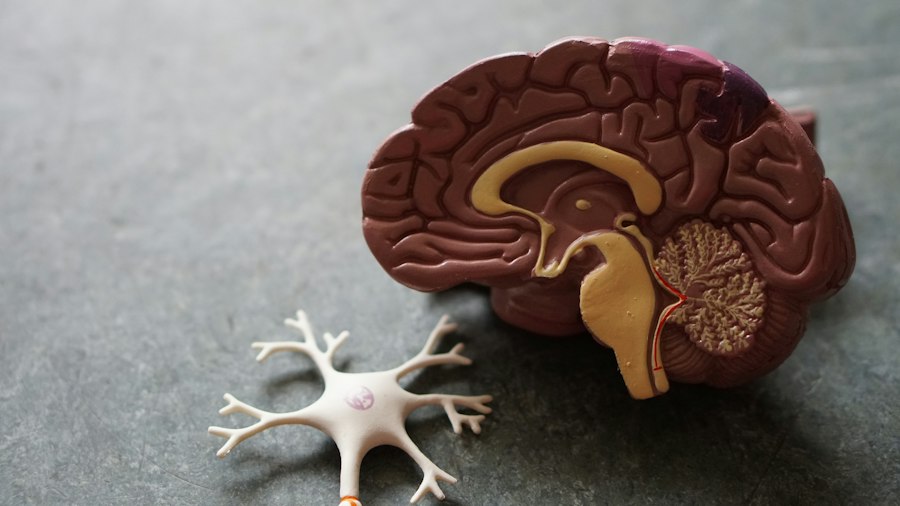

Habits across the lifespan can influence brain-health risk without guaranteeing prevention. Dr. Anand Karnam explains practical, evidence-informed steps for children, adults and older people.
Key Points
- Neurological symptoms often have identifiable, treatable causes — early evaluation changes outcomes.
- A detailed history and clinical examination by a neurologist is the most valuable diagnostic tool.
- Modern neuroimaging (MRI) and electrophysiology (EEG, NCS) enable precise diagnosis without invasive procedures.
- Most neurological conditions respond to treatment — complete cure or significant improvement is achievable for many.
- Preventive neurology — managing blood pressure, exercise, sleep, and diet — protects brain health for decades.
1 in 3
people will have a significant neurological condition in their lifetime
Source: WHO
80%
of strokes are preventable with lifestyle and medical management
Source: WHO
70%
of epilepsy patients achieve seizure freedom with the right medication
Source: WHO
"Every neurological symptom tells a story about the brain or nervous system. My job is to listen carefully, examine thoroughly, and use targeted investigations to decode that story — then find the most effective treatment."
Brain health means being able to think, learn, remember, communicate, move, regulate emotions and participate in everyday life. It is not reserved for older adults and it is not measured by a single supplement, scan or online quiz. Genes influence risk, but blood pressure, diabetes, tobacco, activity, sleep, hearing, vision, education, head protection and social connection also influence the brain over many years. This article offers practical prevention guidance for families in Hyderabad; it cannot diagnose disease or guarantee that every neurological illness can be prevented.
Brain Health in Childhood
Children build brain connections through sleep, nutrition, movement, play, language and secure relationships. Talk, read, sing and respond to a child’s questions. Unstructured play and outdoor activity help coordination, attention and confidence. A routine bedtime and morning wake time are usually more valuable than expensive “brain” products. Screens should not replace sleep, meals, school, outdoor play or conversation. For infants and young children, a parent’s interaction is more useful than passive video.
Offer vegetables, fruit, pulses, whole grains, dairy or a suitable alternative, eggs or other protein and water. Avoid making sugary drinks routine. Poor concentration can reflect inadequate sleep, iron deficiency, hearing or vision difficulty, anxiety, learning differences, attention disorders or an underlying medical problem. It should not automatically be labelled laziness. Arrange paediatric assessment for loss of previously acquired skills, seizures, persistent severe headaches, unusual daytime sleepiness, developmental concerns or a sudden behavioural change.
Young Adults: Build Protective Habits
In the twenties and thirties, prevention is often about habits established before symptoms appear. Move most days and break up long sitting. Use a helmet on two-wheelers and bicycles, wear a seat belt, avoid driving when sleepy or intoxicated, and use safety equipment for sport. A head injury followed by worsening headache, repeated vomiting, confusion, weakness, seizure or unusual drowsiness needs urgent assessment. Do not return to sport on the same day after suspected concussion without medical advice.
Learn your family history without assuming that a family history makes illness inevitable. Check blood pressure when appropriate, especially with kidney disease, diabetes, pregnancy-related hypertension or early stroke in relatives. Do not stop prescribed treatment because a single reading improves. Smoking and smokeless tobacco increase vascular risk; stopping is beneficial at every age. Alcohol is not a brain-health treatment, and recreational drugs can cause seizures, stroke, psychosis and injury.
Protecting the Brain After Forty
After forty, measure rather than guess. Discuss blood pressure, glucose or HbA1c, cholesterol, weight trend, activity, sleep, tobacco, alcohol and medicines with a clinician. Hypertension and diabetes may be silent while damaging blood vessels. Treating them lowers stroke risk and supports healthy ageing. A sustainable eating pattern can be made from familiar Hyderabad foods: vegetables and pulses at most meals, whole grains in sensible portions, nuts when safe, fish or another protein, and less excess salt, added sugar and ultra-processed food. Restrictive crash diets are rarely sustainable.
Hearing and vision assessments preserve independence and participation. Untreated hearing loss can reduce conversation and social stimulation; poor vision can make walking and reading harder. Review sedatives, sleep medicines and drugs that cause dizziness or confusion with a clinician or pharmacist rather than stopping them suddenly. Depression and anxiety are medical conditions, not failures of willpower. Counselling, activity, breathing exercises, supportive relationships and appropriate treatment can improve quality of life and concentration.
Exercise, Sleep and the Circulation
Many adults can work toward at least 150 minutes of moderate activity each week and muscle-strengthening on two days, adjusted for age and medical conditions. Begin with ten-minute walks and progress gradually. Strength and balance work become increasingly important for older adults and people at risk of falls. Stop for chest pressure, fainting, severe breathlessness or new neurological symptoms and seek advice. Exercise works alongside treatment; it does not replace prescribed medicines.
Most adults need approximately seven to nine hours of sleep, although needs vary. Keep a regular wake time, seek morning daylight, limit late caffeine, keep the bedroom dark and comfortable, and use a wind-down routine. Loud snoring, witnessed pauses, choking at night, morning headaches or severe daytime sleepiness may indicate sleep apnoea. It is treatable and should not be dismissed as ordinary ageing. Do not begin sleeping tablets without advice, particularly in older adults or anyone with fall risk.
Brain Health in Later Life
Older adults benefit from walking, strength, balance, meaningful activity and social connection. A physiotherapist can adapt activity for arthritis, neuropathy, previous stroke or fear of falling. Treat pain, depression, hearing loss and sleep disorders rather than accepting them as unavoidable. Cognitive activity should be meaningful: gardening, prayer, crafts, reading, teaching a grandchild, volunteering, music and conversation exercise different abilities and support confidence.
Occasionally forgetting a name is common. Repeatedly getting lost in a familiar place, mishandling money, missing medicines, losing the ability to complete familiar tasks or experiencing a significant personality change deserves assessment. Memory problems can have reversible contributors such as medication effects, depression, thyroid problems, vitamin deficiency, poor sleep or hearing loss, as well as neurological causes. Early evaluation helps families plan and identify treatable factors.
Everyday Prevention Checklist
- Move regularly and add safe strength or balance work.
- Check blood pressure and diabetes as advised, and take treatment consistently.
- Do not smoke or use tobacco; ask for cessation support.
- Protect hearing, vision and the head during travel, work and sport.
- Keep a regular sleep schedule and ask about snoring or pauses in breathing.
- Eat varied food and drink water rather than relying on sugary beverages.
- Maintain meaningful social contact and learning.
- Record new headaches, falls, seizures, weakness or medication changes.
Urgent Warning Signs
Call emergency services for sudden facial drooping, arm or leg weakness, new speech difficulty, severe confusion, loss of balance or sudden vision loss. Also seek urgent care for a first seizure, a thunderclap headache, severe headache with fever and stiff neck, collapse, or a head injury followed by deterioration. Note when symptoms began. Do not give food, drink or unprescribed medicines to someone who may be having a stroke.
Local Care and Next Steps
Families in Chanda Nagar, Miyapur, Lingampally, Hafeezpet and nearby western Hyderabad can bring a symptom timeline, medicine list, blood-pressure readings and relevant reports to a preventive consultation. A neurologist begins with history and examination and recommends targeted tests only when useful. Sri Anand Child and Neuro Center can coordinate evaluation for memory, headache, movement, sleep, seizure, weakness and other neurological concerns. Prevention is not perfection: one manageable improvement repeated over months is more valuable than a short-lived health trend.
Making Prevention Practical
Choose one change for the next week: walk after dinner, replace a sweet drink with water, set a consistent wake time, check a missed blood-pressure review, or call about smoking cessation. Put medicines beside an established routine only when storage is safe, use a calendar for appointments, and involve the whole household. Children learn from adults, and older adults are more likely to stay active when activities are social. Review progress monthly without turning health into guilt.
Brain health also includes safety and dignity. Keep floors and bathrooms safe, improve lighting, use prescribed glasses and hearing devices, and ask about dizziness before changing activity. Do not use unproven supplements in place of treatment. Tell a clinician about herbal products because they may interact with anticoagulants, seizure medicines or blood-pressure drugs. A balanced plan should fit culture, budget, work hours and other medical conditions.
Preventive care is especially important after a transient neurological episode, a fall, a new tremor, repeated headaches or a change noticed by family. A normal day between episodes does not rule out a problem. Bring an observer’s description and the exact time symptoms occurred. Early information helps distinguish sleep, stress, medication effects and migraine from stroke, seizure or another condition requiring treatment.
Keep prevention realistic during heat, monsoon and busy work periods. Hydrate appropriately for your medical condition, choose indoor walking when air quality or heat makes outdoor exercise uncomfortable, and protect sleep during travel or shift work. Parents can schedule active family time; older adults can use supervised chair exercises when standing is unsafe. If an activity causes new weakness, severe dizziness, chest pain or fainting, stop and seek advice.
Review goals with a clinician at least when major medicines, diagnoses or life circumstances change. Ask for plain-language explanations and write down the plan. A family member may help an older person remember instructions, but the patient’s consent and independence remain important. Good brain care combines prevention, early attention to symptoms and compassionate support when a condition is diagnosed.
Keep a simple record of appointments, results and questions. This avoids repeated tests and helps different clinicians understand the whole picture. Prevention should make daily life safer and more enjoyable, not turn every memory lapse or headache into a crisis.
Celebrate practical wins: a safer commute, a regular walk, a better night of sleep, a quit attempt or a completed review. These choices accumulate over years and support the brain without promising certainty. Consistency matters more than perfection for long-term prevention. Start with one step today.
Dr. Anand Karnam
DrNB Neurology · Sri Anand CNC, Chanda Nagar Hyderabad · Sri Anand Child and Neuro Center
DrNB-qualified Neurologist, Fellow of the World Headache Society (FWHS), and Headache Specialist with 12+ years of experience treating epilepsy, stroke, migraine, and movement disorders. Practices at Sri Anand Child and Neuro Center, Chanda Nagar, Hyderabad.
References & Sources
- 1.Neurological Disorders — WHO — World Health Organization
- 2.Neurology — NIH MedlinePlus — NIH MedlinePlus
- 3.AAN Clinical Practice Guidelines — American Academy of Neurology
Health Information Standards
IMA — Indian Medical Association
Content follows IMA ethical guidelines for patient education
WHO — World Health Organization
Treatment information aligned with WHO clinical guidelines
MoHFW — Govt. of India — Ministry of Health
Follows MoHFW National Health Programme protocols
NMC — National Medical Commission
All doctors hold NMC-recognised qualifications (DrNB / MD / MPT)
All health tips and medical content on this website are written by qualified specialist doctors (DrNB / MD / MPT), follow the above guidelines, and are intended for general health education only. This content is original and evidence-based — not a substitute for professional medical advice. Always consult your doctor before making any health decisions.
Concerned about your health?
Talk to our specialist doctors directly — WhatsApp response within minutes during clinic hours.
Follow Sri Anand CNC — Health Education Videos
Dr. Anand Karnam and Dr. Sushma B regularly share health education videos, symptom guides, and wellness tips in Telugu and English — helping families in Hyderabad stay informed and healthy.
YouTube · Sri Anand Child and Neuro Center
Health education videos — neurological conditions, child health tips, physiotherapy exercises
Instagram · @srianandchildandneurocenter
Daily health tips, doctor reels, patient education in Telugu & English
Facebook · srianandchildandneurocenter
Latest health news, appointment reminders, and awareness posts
WhatsApp Channel · Sri Anand Health Tips
Subscribe for weekly health alerts, vaccine reminders, and neurological wellness tips