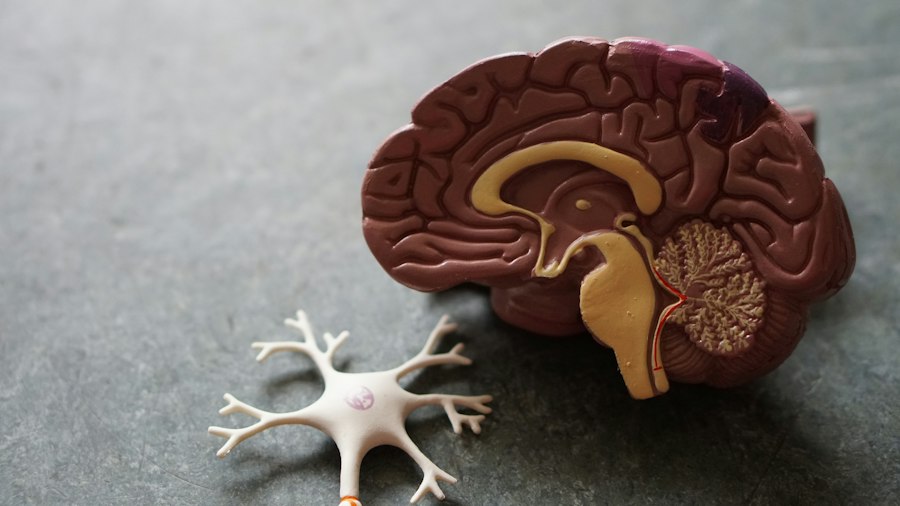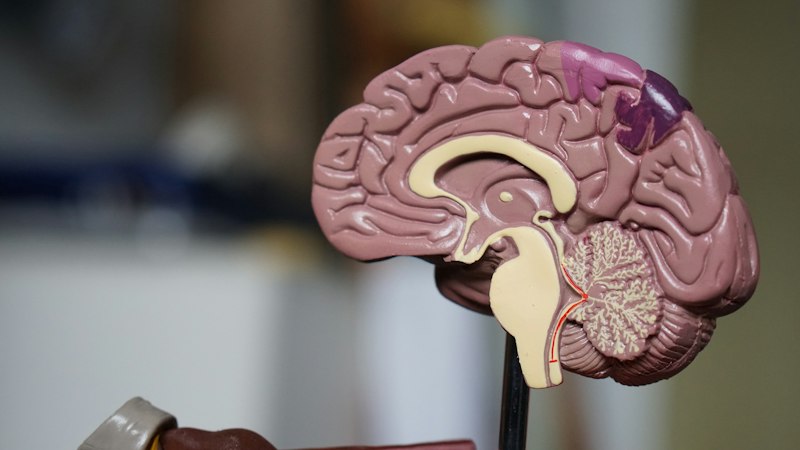

Chronic poor sleep is not just tiredness — it is measurable brain damage. Dr. Anand Karnam explains how insufficient sleep destroys memory, increases stroke risk, and accelerates Alzheimer's disease.
Key Points
- Chronic sleep deprivation (less than 6 hours/night) accelerates brain aging by up to 10 years on MRI.
- During sleep, the brain's glymphatic system clears amyloid and tau — the toxic proteins that cause Alzheimer's.
- A single night of poor sleep elevates brain amyloid by 30% — this is why consecutive bad sleep is dangerous.
- Sleep deprivation impairs decision-making, emotional regulation, and immune function within 48 hours.
- India has one of the lowest average sleep durations globally at 6.5 hours — driven by screen use and work culture.
10 yrs
brain aging acceleration from chronic sleep deprivation (<6 hrs/night)
Source: Nature Communications
30%
increase in brain amyloid after a single night of sleep deprivation
Source: PNAS
6.5 hrs
average sleep duration in India — below the recommended 7-9 hrs
Source: Fitbit Sleep Research India
"Sleep is not rest time for the brain — it is active maintenance time. The brain's waste clearance system (the glymphatic system) works primarily during slow-wave sleep to flush out the proteins that cause Alzheimer's. Every night of poor sleep is a missed cleaning session. Chronic sleep deprivation for years is, in my view, one of the most important modifiable risk factors for dementia."
India has a sleep deprivation problem. Studies consistently show Indian adults average 6.5–7 hours of sleep — below the 7–9 hour recommendation — and a significant proportion consistently sleep less than 6 hours. This is not a minor inconvenience. It is a chronic health crisis with consequences that accumulate silently over years.
The Brain During Sleep — What Actually Happens
Memory consolidation: During deep slow-wave sleep, the hippocampus replays the day's learning and transfers it to long-term cortical storage. Without adequate deep sleep, memories are not consolidated — literally lost.
Glymphatic waste clearance: During deep sleep, cerebrospinal fluid flows through the brain's glymphatic system — flushing out metabolic waste products including amyloid beta and tau proteins. Amyloid is the primary protein that aggregates into plaques in Alzheimer's disease. Chronic sleep deprivation = chronic amyloid accumulation. Studies show even one night of poor sleep produces measurable increases in amyloid in the brain.
Synaptic pruning: During sleep, redundant or weak synaptic connections are pruned — essential for maintaining the signal-to-noise ratio in neural circuits. Without this pruning, information processing becomes slower and less accurate.
Consequences of Chronic Sleep Deprivation
- Impaired attention, concentration, and working memory — measurable cognitive decline within 3 days of 6 hours or less per night
- Emotional dysregulation — the amygdala (emotional brain) becomes hyperreactive without prefrontal cortical regulation that requires sleep to maintain
- Increased stroke risk: Fewer than 6 hours of sleep doubles stroke risk. More than 9 hours is also associated with higher risk (often reflects underlying illness)
- Accelerated Alzheimer's pathology: Amyloid accumulation, described above
- Immune suppression — chronic infection susceptibility
- Insulin resistance and weight gain — sleep deprivation dysregulates leptin and ghrelin (hunger hormones), increases appetite for high-calorie foods by 30%
Practical Sleep Improvement — The Evidence-Based Approach
- Consistent wake time every day (including weekends) — the most powerful circadian anchor
- No screens (phone/TV) for 60 minutes before bed
- Cool bedroom: 18–20°C is optimal for sleep
- No caffeine after 2 PM
- No large meals within 3 hours of sleep
- Brief (10–20 minute) afternoon nap if needed — does not significantly impair night sleep for most adults
For insomnia, sleep disorders (including sleep apnoea evaluation), and brain health: Sri Anand CNC, Chanda Nagar, Hyderabad. Call +91 90633 66983.
Dr. Anand Karnam
DrNB Neurology · Sri Anand CNC, Chanda Nagar Hyderabad · Sri Anand Child and Neuro Center
DrNB-qualified Neurologist, Fellow of the World Headache Society (FWHS), and Headache Specialist with 12+ years of experience treating epilepsy, stroke, migraine, and movement disorders. Practices at Sri Anand Child and Neuro Center, Chanda Nagar, Hyderabad.
References & Sources
- 1.Neurological Disorders — WHO — World Health Organization
- 2.Neurology — NIH MedlinePlus — NIH MedlinePlus
- 3.AAN Clinical Practice Guidelines — American Academy of Neurology
Health Information Standards
IMA — Indian Medical Association
Content follows IMA ethical guidelines for patient education
WHO — World Health Organization
Treatment information aligned with WHO clinical guidelines
MoHFW — Govt. of India — Ministry of Health
Follows MoHFW National Health Programme protocols
NMC — National Medical Commission
All doctors hold NMC-recognised qualifications (DrNB / MD / MPT)
All health tips and medical content on this website are written by qualified specialist doctors (DrNB / MD / MPT), follow the above guidelines, and are intended for general health education only. This content is original and evidence-based — not a substitute for professional medical advice. Always consult your doctor before making any health decisions.
Concerned about your health?
Talk to our specialist doctors directly — WhatsApp response within minutes during clinic hours.
Follow Sri Anand CNC — Health Education Videos
Dr. Anand Karnam and Dr. Sushma B regularly share health education videos, symptom guides, and wellness tips in Telugu and English — helping families in Hyderabad stay informed and healthy.
YouTube · Sri Anand Child and Neuro Center
Health education videos — neurological conditions, child health tips, physiotherapy exercises
Instagram · @srianandchildandneurocenter
Daily health tips, doctor reels, patient education in Telugu & English
Facebook · srianandchildandneurocenter
Latest health news, appointment reminders, and awareness posts
WhatsApp Channel · Sri Anand Health Tips
Subscribe for weekly health alerts, vaccine reminders, and neurological wellness tips