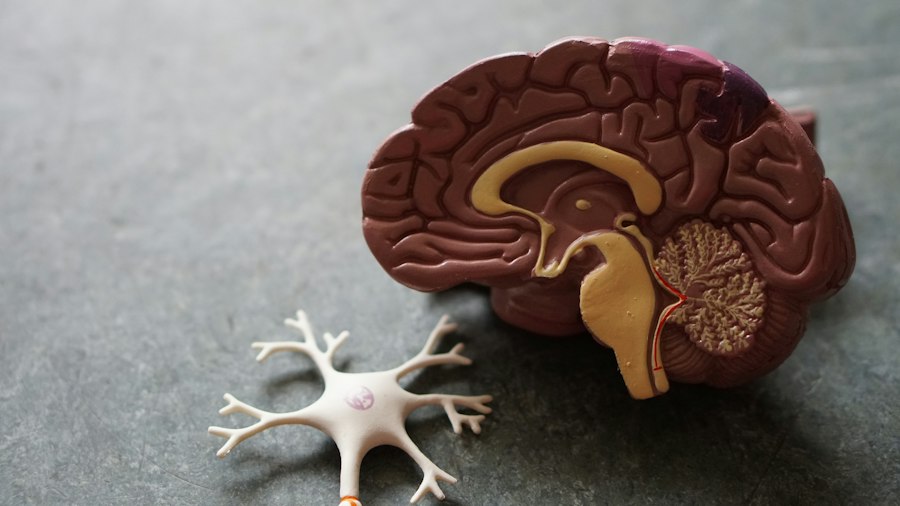

When epilepsy begins in adulthood, a cause is usually found — brain tumour, stroke, infection, or metabolic problem. Dr. Anand Karnam explains why adult-onset seizures are always investigated and what the workup involves.
Key Points
- A first seizure in adulthood always requires investigation to identify the cause — epilepsy is only diagnosed after ruling out provoking causes.
- Common causes in adults: stroke, brain tumour, alcohol withdrawal, metabolic derangements, and autoimmune encephalitis.
- MRI and EEG are mandatory after a first adult seizure — CT alone is insufficient.
- Provoked seizures (from metabolic causes) don't necessarily require long-term anti-epileptic medication.
- The risk of recurrence after a first unprovoked seizure in adults is 40% at 2 years — guides treatment decision.
40%
recurrence risk after first unprovoked seizure in adults at 2 years
Source: AAN
30%
of adult-onset epilepsy has an identifiable structural brain cause
Source: NCBI
70%
of adult epilepsy achieves seizure freedom with appropriate medication
Source: WHO
"A first seizure at age 40 or beyond demands thorough investigation — it is not just 'epilepsy starting late'. I look for structural lesions, vascular causes, metabolic triggers, and autoimmune conditions before deciding on long-term medication."
Epilepsy in children often has no identifiable structural cause — idiopathic genetic epilepsies are common. But epilepsy beginning in adulthood — particularly after age 25 — should always prompt a thorough search for an underlying cause. The older the patient at onset, the more likely a structural or metabolic cause will be found. A new seizure in an adult is not "just epilepsy" until investigation has excluded a treatable underlying condition.
Causes to Exclude in Adult-Onset Epilepsy
Brain tumour: Both primary brain tumours (glioma, meningioma) and brain metastases (from lung, breast, colon, kidney cancer) can present with seizures. A seizure is sometimes the first symptom. MRI with gadolinium is essential.
Stroke and cerebrovascular disease: Previous stroke or small vessel disease can create epileptogenic cortical scars. New seizures in a person with hypertension, diabetes, or known vascular disease strongly suggest this aetiology.
Neurocysticercosis: As described — calcified parasitic cysts in the brain. Very common in India. Often the only symptom is recurrent focal seizures. CT brain reveals calcified lesions.
Autoimmune encephalitis: Anti-NMDA receptor and other autoimmune encephalitides can present with new-onset seizures, particularly in young adults — sometimes with psychiatric features initially.
Metabolic causes: Hypoglycaemia, hyponatraemia, uraemia, hepatic encephalopathy — all cause provoked seizures. These are not epilepsy — treat the metabolic abnormality.
Alcohol-related seizures: Alcohol withdrawal seizures occur 6–48 hours after the last drink. Chronic alcohol use also increases seizure susceptibility through multiple mechanisms.
Investigation Protocol
All adults with first seizure: MRI brain with gadolinium (preferred over CT); EEG; blood tests including glucose, electrolytes, liver and kidney function, calcium; ECG (to exclude cardiac cause of LOC); autoimmune antibody panel if clinical features suggest autoimmune aetiology. Sri Anand CNC, Chanda Nagar, Hyderabad. Call +91 90633 66983.
Dr. Anand Karnam
DrNB Neurology · Sri Anand CNC, Chanda Nagar Hyderabad · Sri Anand Child and Neuro Center
DrNB-qualified Neurologist, Fellow of the World Headache Society (FWHS), and Headache Specialist with 12+ years of experience treating epilepsy, stroke, migraine, and movement disorders. Practices at Sri Anand Child and Neuro Center, Chanda Nagar, Hyderabad.
References & Sources
- 1.Epilepsy — WHO Fact Sheet — World Health Organization
- 2.Epilepsy — NCBI StatPearls — NCBI StatPearls
- 3.Epilepsy — ILAE Guidelines — International League Against Epilepsy
Health Information Standards
IMA — Indian Medical Association
Content follows IMA ethical guidelines for patient education
WHO — World Health Organization
Treatment information aligned with WHO clinical guidelines
MoHFW — Govt. of India — Ministry of Health
Follows MoHFW National Health Programme protocols
NMC — National Medical Commission
All doctors hold NMC-recognised qualifications (DrNB / MD / MPT)
All health tips and medical content on this website are written by qualified specialist doctors (DrNB / MD / MPT), follow the above guidelines, and are intended for general health education only. This content is original and evidence-based — not a substitute for professional medical advice. Always consult your doctor before making any health decisions.
Concerned about your health?
Talk to our specialist doctors directly — WhatsApp response within minutes during clinic hours.
Follow Sri Anand CNC — Health Education Videos
Dr. Anand Karnam and Dr. Sushma B regularly share health education videos, symptom guides, and wellness tips in Telugu and English — helping families in Hyderabad stay informed and healthy.
YouTube · Sri Anand Child and Neuro Center
Health education videos — neurological conditions, child health tips, physiotherapy exercises
Instagram · @srianandchildandneurocenter
Daily health tips, doctor reels, patient education in Telugu & English
Facebook · srianandchildandneurocenter
Latest health news, appointment reminders, and awareness posts
WhatsApp Channel · Sri Anand Health Tips
Subscribe for weekly health alerts, vaccine reminders, and neurological wellness tips