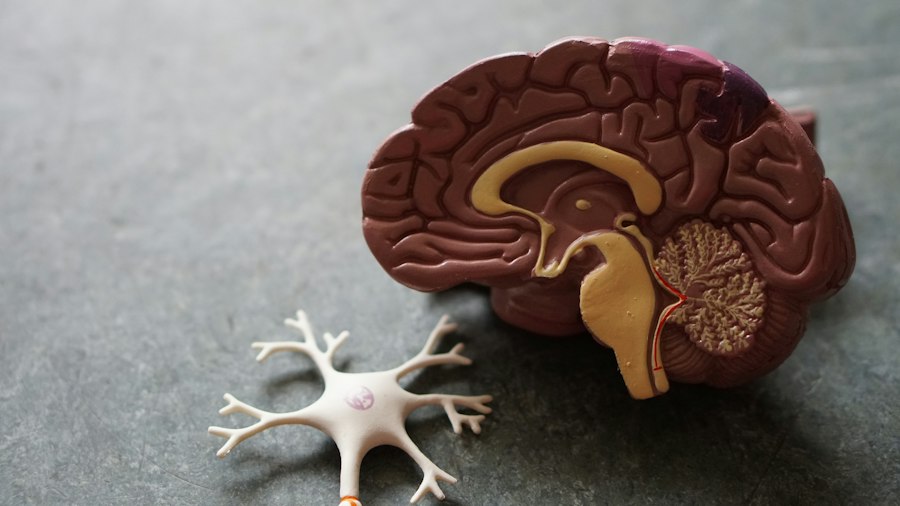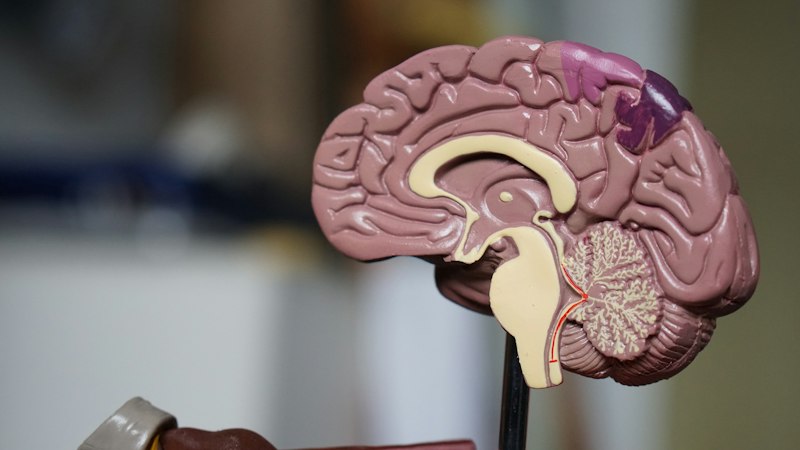

Primary CNS vasculitis — inflammation of the blood vessels within the brain — is rare but causes strokes, headache, and cognitive decline in young people. Dr. Anand Karnam explains this challenging diagnosis and treatment.
Key Points
- CNS vasculitis is inflammation of brain blood vessels — a rare but treatable cause of stroke, headache, and cognitive decline.
- Presentations include stroke in young adults, thunderclap headache, seizures, and progressive cognitive impairment.
- Diagnosis requires MRI, MRA (angiography), CSF analysis, and often brain biopsy for confirmation.
- Primary CNS vasculitis is idiopathic; secondary CNS vasculitis is linked to systemic diseases (lupus, sarcoid, infections).
- High-dose steroids and immunosuppressants (cyclophosphamide) are the cornerstone of treatment.
2 per million
annual incidence of primary CNS vasculitis — rare but important
Source: NCBI
30%
of CNS vasculitis patients have a significant delay to diagnosis (>6 months)
Source: Lancet Neurology
70%
of CNS vasculitis patients respond to immunosuppressive treatment
Source: NCBI
"CNS vasculitis is one of the great mimics in neurology — it can look like MS, stroke, encephalitis, or brain tumour. I think of it in every young adult with unexplained strokes, especially if systemic inflammatory markers are raised."
Central nervous system (CNS) vasculitis is inflammation of the blood vessel walls within the brain and spinal cord — causing narrowing and occlusion of vessels with resulting ischaemia (brain tissue death), and sometimes haemorrhage from inflamed vessel rupture. CNS vasculitis can be primary (PACNS — Primary Angiitis of the CNS, with no systemic involvement) or secondary (manifestation of a systemic vasculitis — Behçet's disease, polyarteritis nodosa, SLE, or infectious — TB, HIV, syphilis, VZV).
Clinical Features
PACNS predominantly affects adults in their 40s–50s but is described in all ages. Presentation: insidious progressive headache (the most common initial symptom — present in 60%); cognitive impairment and personality change over weeks to months; focal neurological deficits from cerebral infarcts — stroke-like episodes in young people without conventional vascular risk factors; seizures; rarely, spinal cord syndrome. The course is typically subacute and progressive without treatment.
Diagnosis — A Clinical Challenge
The diagnosis of PACNS is notoriously difficult because no single test is diagnostic. MRI brain: multiple bilateral ischaemic lesions in different vascular territories and at different ages (suggesting ongoing vasculitic activity) — though MRI may be normal in small-vessel vasculitis. MR angiography or conventional cerebral angiography: "beading" (alternating dilation and narrowing) of multiple vessels — present in only 30–50% of biopsy-proven cases. CSF: pleocytosis and elevated protein in 80–90% — non-specific. Brain biopsy: the gold standard but yields false negatives of 25–30% due to patchy disease. Exclude secondary causes: systemic vasculitis markers (ANCA, ANA, dsDNA, complement), infectious serology, TB testing.
Treatment
High-dose corticosteroids (prednisolone 1mg/kg/day) combined with cyclophosphamide (pulsed IV monthly) for aggressive or progressive disease; azathioprine or mycophenolate for maintenance. Rituximab for ANCA-associated vasculitis with CNS involvement. Sri Anand CNC, Chanda Nagar, Hyderabad. Call +91 90633 66983.
Dr. Anand Karnam
DrNB Neurology · Sri Anand CNC, Chanda Nagar Hyderabad · Sri Anand Child and Neuro Center
DrNB-qualified Neurologist, Fellow of the World Headache Society (FWHS), and Headache Specialist with 12+ years of experience treating epilepsy, stroke, migraine, and movement disorders. Practices at Sri Anand Child and Neuro Center, Chanda Nagar, Hyderabad.
References & Sources
- 1.Vasculitis — NIH MedlinePlus — NIH MedlinePlus
- 2.Vasculitis — NHS — NHS UK
- 3.CNS Vasculitis — NCBI StatPearls — NCBI StatPearls
Health Information Standards
IMA — Indian Medical Association
Content follows IMA ethical guidelines for patient education
WHO — World Health Organization
Treatment information aligned with WHO clinical guidelines
MoHFW — Govt. of India — Ministry of Health
Follows MoHFW National Health Programme protocols
NMC — National Medical Commission
All doctors hold NMC-recognised qualifications (DrNB / MD / MPT)
All health tips and medical content on this website are written by qualified specialist doctors (DrNB / MD / MPT), follow the above guidelines, and are intended for general health education only. This content is original and evidence-based — not a substitute for professional medical advice. Always consult your doctor before making any health decisions.
Concerned about your health?
Talk to our specialist doctors directly — WhatsApp response within minutes during clinic hours.
Follow Sri Anand CNC — Health Education Videos
Dr. Anand Karnam and Dr. Sushma B regularly share health education videos, symptom guides, and wellness tips in Telugu and English — helping families in Hyderabad stay informed and healthy.
YouTube · Sri Anand Child and Neuro Center
Health education videos — neurological conditions, child health tips, physiotherapy exercises
Instagram · @srianandchildandneurocenter
Daily health tips, doctor reels, patient education in Telugu & English
Facebook · srianandchildandneurocenter
Latest health news, appointment reminders, and awareness posts
WhatsApp Channel · Sri Anand Health Tips
Subscribe for weekly health alerts, vaccine reminders, and neurological wellness tips