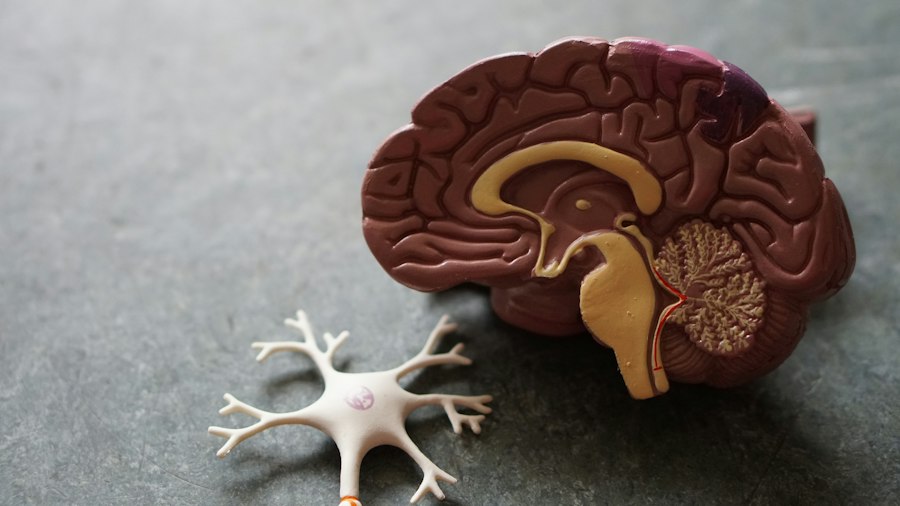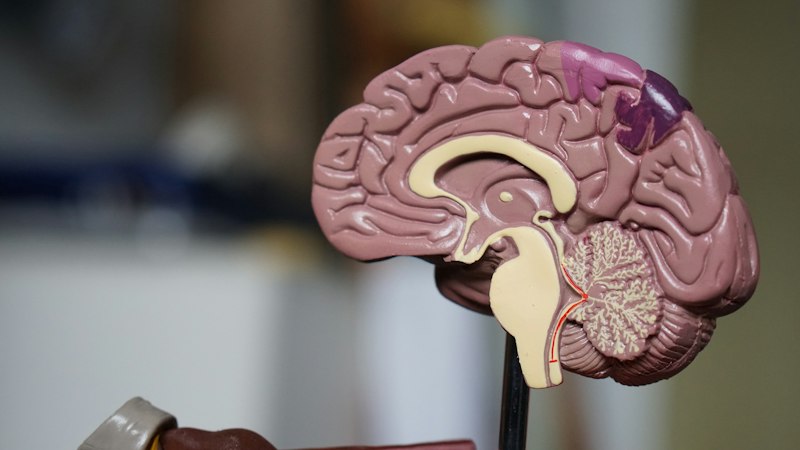

Alzheimer's is more than forgetting names. It is a progressive brain disease that slowly erases the person — their memories, abilities, and personality. Dr. Anand Karnam explains what it is, what causes it, and what families can do.
Key Points
- Neurological symptoms often have identifiable, treatable causes — early evaluation changes outcomes.
- A detailed history and clinical examination by a neurologist is the most valuable diagnostic tool.
- Modern neuroimaging (MRI) and electrophysiology (EEG, NCS) enable precise diagnosis without invasive procedures.
- Most neurological conditions respond to treatment — complete cure or significant improvement is achievable for many.
- Preventive neurology — managing blood pressure, exercise, sleep, and diet — protects brain health for decades.
1 in 3
people will have a significant neurological condition in their lifetime
Source: WHO
80%
of strokes are preventable with lifestyle and medical management
Source: WHO
70%
of epilepsy patients achieve seizure freedom with the right medication
Source: WHO
"Every neurological symptom tells a story about the brain or nervous system. My job is to listen carefully, examine thoroughly, and use targeted investigations to decode that story — then find the most effective treatment."
Alzheimer's disease is the most common cause of dementia, accounting for 60–70% of all dementia cases. It affects approximately 3.7 million people in India — a number expected to triple by 2050. Yet despite this scale, most families have profound misconceptions about what Alzheimer's is, how it progresses, and what can be done.
What Is Alzheimer's Disease?
Alzheimer's is a progressive neurodegenerative disease — meaning it destroys neurons (brain cells) steadily over years and decades. It is not a normal part of ageing. It is a disease, with a specific biological process: abnormal accumulation of two proteins in the brain — amyloid beta (forming plaques between neurons) and tau (forming tangles inside neurons). These protein deposits begin accumulating up to 20 years before the first memory symptom appears.
How Alzheimer's Progresses — Three Stages
Mild (Early) Alzheimer's
- Repeating questions or stories in the same conversation
- Forgetting recent conversations and events — while distant memories remain
- Misplacing items; accusing family of taking things
- Difficulty with complex tasks: managing finances, planning events
- Getting lost in unfamiliar places
- Personality changes: withdrawal, anxiety, occasional suspicion
At this stage, the person is still largely independent. Many live alone with support. This is the stage where medication can have the most impact.
Moderate (Middle) Alzheimer's
- Increasing memory loss — forgetting spouse's name, not recognising familiar faces
- Wandering — leaving the house and getting lost
- Sleep disturbances — reversed day/night cycle
- Hallucinations and delusions — believing someone is in the house; seeing deceased relatives
- Difficulty with personal care — dressing, bathing, toileting
- Significant behavioural changes: agitation, aggression, restlessness (especially in the evening — "sundowning")
Full-time caregiving or a memory care setting is typically needed at this stage.
Severe (Late) Alzheimer's
- Loss of all conversational language
- Inability to walk, sit up, or swallow
- Complete dependence for all personal care
- Vulnerability to pneumonia and pressure sores — the most common causes of death
Risk Factors — What You Can and Cannot Change
Non-modifiable: Age (the strongest risk factor), genetics (APOE ε4 gene — not a cause, but increases risk; one copy doubles risk, two copies increases it 10-fold), family history
Modifiable (35–40% of Alzheimer's cases attributable to these):
- Physical inactivity — exercise reduces risk most powerfully
- Hypertension in midlife — one of the most important modifiable risk factors in India
- Diabetes — doubles dementia risk
- Obesity
- Smoking — doubles risk
- Social isolation and loneliness
- Hearing loss (untreated) — strongly associated with cognitive decline
- Depression
- Low educational attainment (reduced cognitive reserve)
Alzheimer's Treatment — What Is Available Today
Approved medications:
- Donepezil, rivastigmine, galantamine (acetylcholinesterase inhibitors): Improve symptoms in mild-to-moderate Alzheimer's. Do not stop disease progression but improve cognitive function and daily living for 1–3 years
- Memantine: Used in moderate-to-severe Alzheimer's. Moderates symptoms of agitation and slows functional decline
Starting medication early — at the mild stage — provides the maximum benefit window.
Supporting the Family — Equally Important
Alzheimer's disease is as hard on the caregiver as on the patient. Caregiver burnout, depression, and health deterioration are common and serious. At Sri Anand CNC, Dr. Anand Karnam provides not only patient management but also practical guidance for families — managing behavioural symptoms, sleep disruption, wandering, and nutrition; and connecting families with caregiver support resources.
For Alzheimer's assessment, diagnosis, and ongoing management: Sri Anand CNC, Chanda Nagar, Hyderabad. Call +91 90633 66983.
Dr. Anand Karnam
DrNB Neurology · Sri Anand CNC, Chanda Nagar Hyderabad · Sri Anand Child and Neuro Center
DrNB-qualified Neurologist, Fellow of the World Headache Society (FWHS), and Headache Specialist with 12+ years of experience treating epilepsy, stroke, migraine, and movement disorders. Practices at Sri Anand Child and Neuro Center, Chanda Nagar, Hyderabad.
References & Sources
- 1.Neurological Disorders — WHO — World Health Organization
- 2.Neurology — NIH MedlinePlus — NIH MedlinePlus
- 3.AAN Clinical Practice Guidelines — American Academy of Neurology
Health Information Standards
IMA — Indian Medical Association
Content follows IMA ethical guidelines for patient education
WHO — World Health Organization
Treatment information aligned with WHO clinical guidelines
MoHFW — Govt. of India — Ministry of Health
Follows MoHFW National Health Programme protocols
NMC — National Medical Commission
All doctors hold NMC-recognised qualifications (DrNB / MD / MPT)
All health tips and medical content on this website are written by qualified specialist doctors (DrNB / MD / MPT), follow the above guidelines, and are intended for general health education only. This content is original and evidence-based — not a substitute for professional medical advice. Always consult your doctor before making any health decisions.
Concerned about your health?
Talk to our specialist doctors directly — WhatsApp response within minutes during clinic hours.
Follow Sri Anand CNC — Health Education Videos
Dr. Anand Karnam and Dr. Sushma B regularly share health education videos, symptom guides, and wellness tips in Telugu and English — helping families in Hyderabad stay informed and healthy.
YouTube · Sri Anand Child and Neuro Center
Health education videos — neurological conditions, child health tips, physiotherapy exercises
Instagram · @srianandchildandneurocenter
Daily health tips, doctor reels, patient education in Telugu & English
Facebook · srianandchildandneurocenter
Latest health news, appointment reminders, and awareness posts
WhatsApp Channel · Sri Anand Health Tips
Subscribe for weekly health alerts, vaccine reminders, and neurological wellness tips